

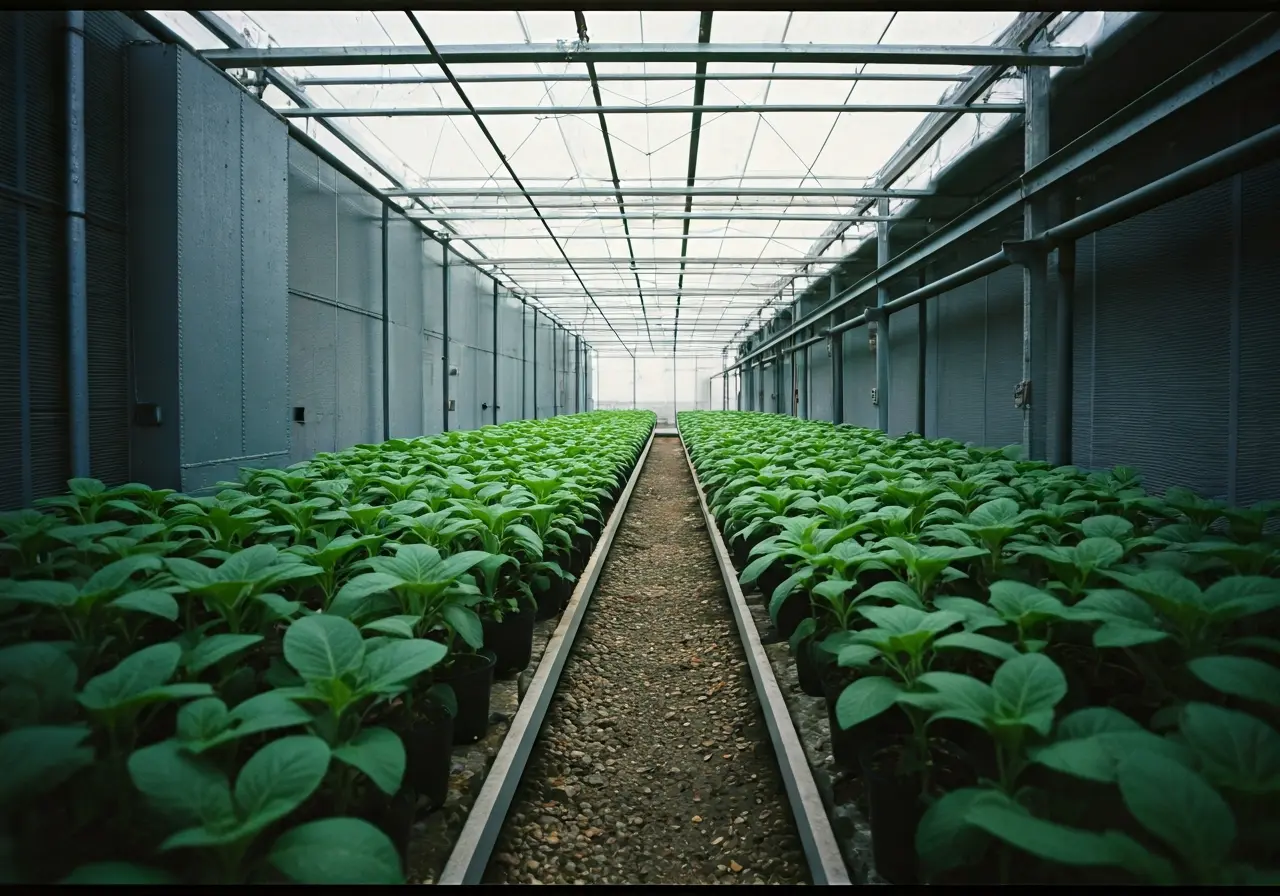
In the ever-evolving world of agriculture, controlled environmental agriculture (CEA) is paving the way for more efficient and sustainable food production. At the heart of CEA lies specialty HVAC systems, which play a crucial role in maintaining optimal growing conditions. Let’s explore the many benefits these advanced systems offer.
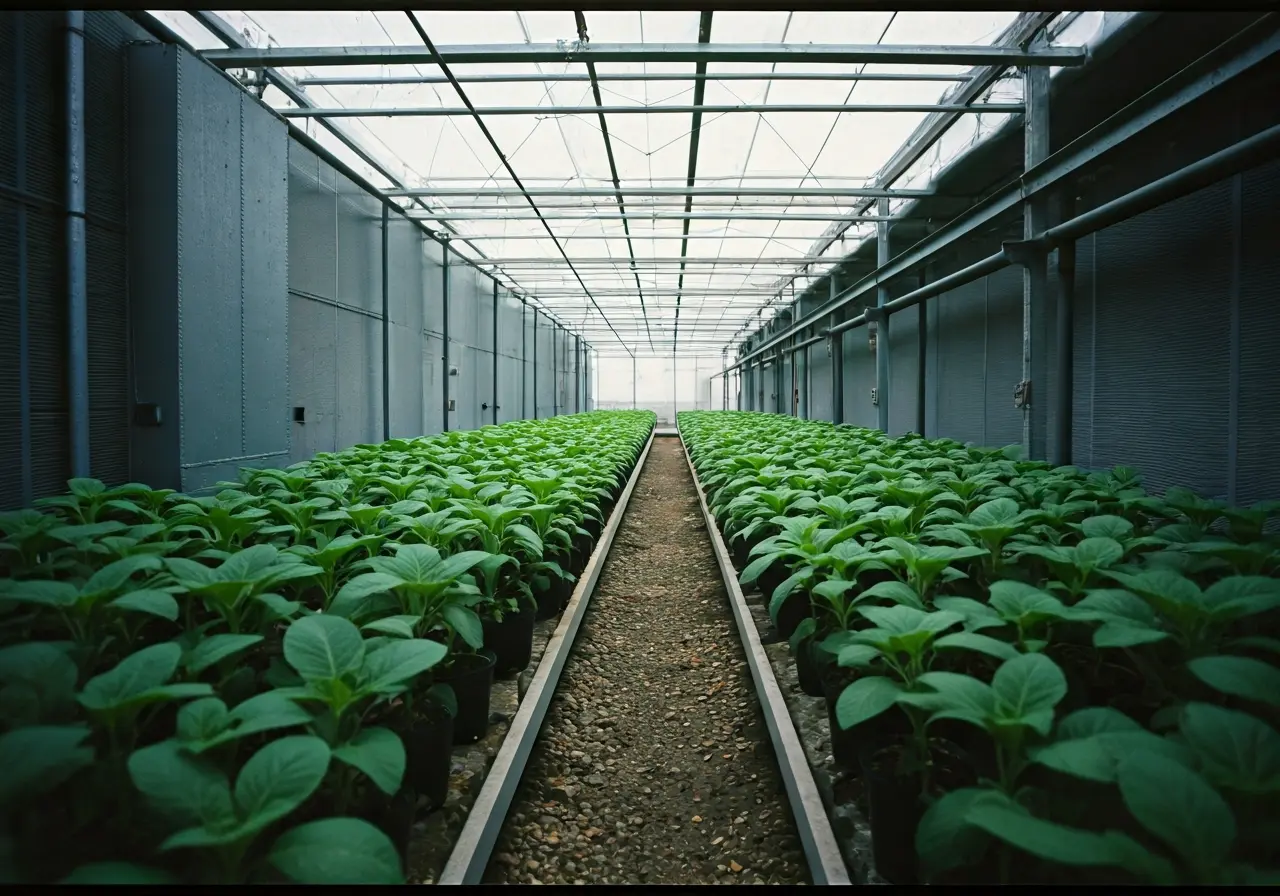
1. Optimizing Growth Conditions
Specialty HVAC systems allow precise control over temperature and humidity, ensuring plants are grown in the most favorable conditions, which can lead to improved growth rates and higher yields. By tailoring these settings to the specific needs of each crop, farmers can create an environment where plants thrive. This precise management not only accelerates growth but also enhances the nutritional quality of the produce. Such customization is key in maximizing agricultural output and driving sustainable practices in the industry.
Temperature swings are common in traditional farming, often stressing plants and affecting their growth. However, with specialty HVAC, these fluctuations are minimized, resulting in stable growing environments. Stable environments promote healthier plants that can reach their full potential, increasing both the volume and quality of yield produced. This innovation represents a major improvement over conventional farming practices where external conditions could introduce variables that negatively affect plant growth.
2. Enhanced Energy Efficiency
By optimizing system performance, these HVAC units use energy more efficiently, reducing operational costs and environmental impact. Advanced systems include features such as energy recovery ventilators and variable frequency drives, which adjust their performance based on real-time demands. This technology is crucial for sustainable agriculture as it ensures minimal waste and maximizes resource use.
Energy efficiency in specialty HVAC systems also translates to a lower carbon footprint, which is increasingly important for environmentally conscious consumers and producers. By reducing energy consumption, farms can operate more sustainably and pass on these savings to consumers through reduced product costs. Moreover, improving efficiency helps manage the long-term operational costs, making agriculture both viable and sustainable in the long run.
3. Stable Climate Control
Specialty HVAC systems maintain stable indoor climates that can withstand external weather fluctuations, safeguarding crops and promoting consistent growth. Whether faced with a hot summer heatwave or a cold winter chill, these systems ensure that indoor climate remains optimal for plant development. This adaptability is particularly beneficial in regions where weather can be unpredictable, and it allows for the cultivation of a wider variety of plants regardless of external environmental conditions.
Consistent climate control means that farmers can rely on steady production schedules, which is crucial for meeting market demands and planning logistics. This level of predictability reduces risks associated with traditional farming, where unexpected weather changes could significantly disrupt planting and harvesting schedules, leading to agricultural losses.
4. Minimized Crop Stress
By reducing dramatic changes in the environment, these systems help minimize plant stress, ensuring healthier crops and reduced vulnerability to diseases. Stress is a known factor that can trigger susceptibilities in plants, making them more likely to succumb to various diseases. Specialty HVAC contributes to resilience by maintaining optimal growth conditions continuously, thereby enabling plants to develop stronger root systems and enhance their innate defense mechanisms.
In this controlled setting, plants experience less competition for resources. This absence of stress factors results in plants that are robust and capable of maximizing their growth potential, which translates to higher yields and superior product quality. Moreover, healthy plants exhibit vibrant traits such as improved color and full-bodied structure, highly sought after in competitive agricultural markets.
5. Improved Resource Management
Specialty HVAC allows better control over resources, such as water and electricity, enabling sustainable farming practices and conservation efforts. Precise climate control systems require less water for cooling and use less electricity than traditional HVAC setups, making them an integral part of eco-friendly farming. With effective resource management, farmers can significantly decrease their water consumption without sacrificing crop yields, leading to a more sustainable agricultural practice overall.
Innovative irrigation systems coupled with smart HVAC technologies can lead to better water conservation, aligning agricultural practices with environmentally sound principles. By scheduling irrigation to coincide with plant growth cycles and adjusting climate control accordingly, resource use is minimized and efficiency maximized. This synergy between technology and sustainable farming methods exemplifies the future direction of agriculture.
6. Advanced Filtration Systems
These systems often include advanced filtration, improving air quality by removing pollutants, which is vital for the health of both crops and consumers. Pollutants and allergens can quickly degrade plant health, adversely affecting growth and yield. With enhanced filtration, HVAC systems protect crops by maintaining clean airflow, ensuring the indoor farming space promotes optimal plant health.
Furthermore, clean air systems lower the risk of disease transmission within plant populations, which is crucial in densely packed farming operations. This risk reduction is a significant advantage, as it allows for safer farming conditions and healthier produce for consumers. Cleaner environments also mean less need for chemical treatments, making organic and natural farming methodologies more attainable.
7. Extended Growing Seasons
Controlled environments stretch the boundaries of traditional growing seasons, allowing for year-round crop production regardless of external conditions. This capability provides farmers the opportunity to cultivate a variety of crops throughout the year, eliminating traditional seasonal limitations and enhancing food supply reliability.
Year-round production not only increases the availability of fresh produce but also stabilizes market prices, as the supply chain becomes less volatile. This continuous production cycle is critical in areas with high demand for fresh foods and provides a competitive advantage when exporting to regions facing seasonal shortages. By leveraging this advantage, farmers can better meet global agricultural demands.
8. Reduced Pest and Disease Risk
With precise environmental controls, the risk of pest infestations and diseases is significantly reduced, leading to safer and cleaner produce. A controlled environment means fewer opportunities for pests to thrive and less reliance on pesticides, creating a healthier product for consumers while minimizing environmental impact.
Additionally, controlled settings allow for targeted pest control measures, reducing collateral damage to beneficial organisms. This form of cultivation supports a more balanced ecosystem, where pest populations can be managed without disrupting the overall agricultural environment. This balance is essential for long-term sustainability and food security.
9. Adaptability to Crop Types
Whether it’s leafy greens or exotic fruits, these systems can adapt to the specific needs of various crops, maximizing production potential. This flexibility is a game-changer for farmers looking to diversify their crop portfolio and cater to niche markets.
Adapting the environmental conditions to meet the specific requirements of crops not only enhances growth but also improves crop quality. For example, specialty HVAC can mimic the unique climate conditions of certain plants’ native environments, optimal for their development. This level of customization allows for precision farming, resulting in a superior market product.
10. Boosting Crop Quality
Better control of growth conditions directly impacts the quality of the harvest, offering higher nutrient content and improved taste. Crops grown under specialized conditions are often more flavorful, nutritious, and appealing to consumers. When environmental variables are maintained at ideal settings, plants can focus energy on developing taste and nutritional profiles, aspects that are highly valued in high-end agricultural markets.
Higher quality produce can also command premium prices, giving farmers the opportunity to elevate their market presence and profitability. The ability to consistently produce top-tier products ensures customer satisfaction and fosters brand loyalty, essential factors in today’s competitive marketspace.
11. Scalability for Diverse Setups
Specialty HVAC systems are versatile and can support a wide range of agricultural setups, from small-scale farms to large commercial operations. This scalability makes them a viable option for both start-up farms and expansive agricultural enterprises aiming to increase efficiency.
The modular nature of these systems allows them to evolve alongside farming operations. As demand grows, systems can be scaled up without significant capital overhaul, ensuring that growth can happen organically and sustainably. This flexibility is particularly beneficial for businesses looking to expand without excessive risk or investment.
12. Facilitating Innovative Techniques
By supporting innovative farming techniques such as vertical farming and aquaponics, these systems usher in a new era of agricultural technology. Specialty HVAC creates conditions ideal for these advanced systems, facilitating growth practices that are both space-efficient and resource-conscious.
The rising interest in sustainable and innovative farming practices presents new opportunities, which are made feasible through the use of advanced HVAC technology. By investing in such technologies, farmers can stay at the forefront of industry developments, capitalize on emerging market trends, and contribute to a sustainable food future.