

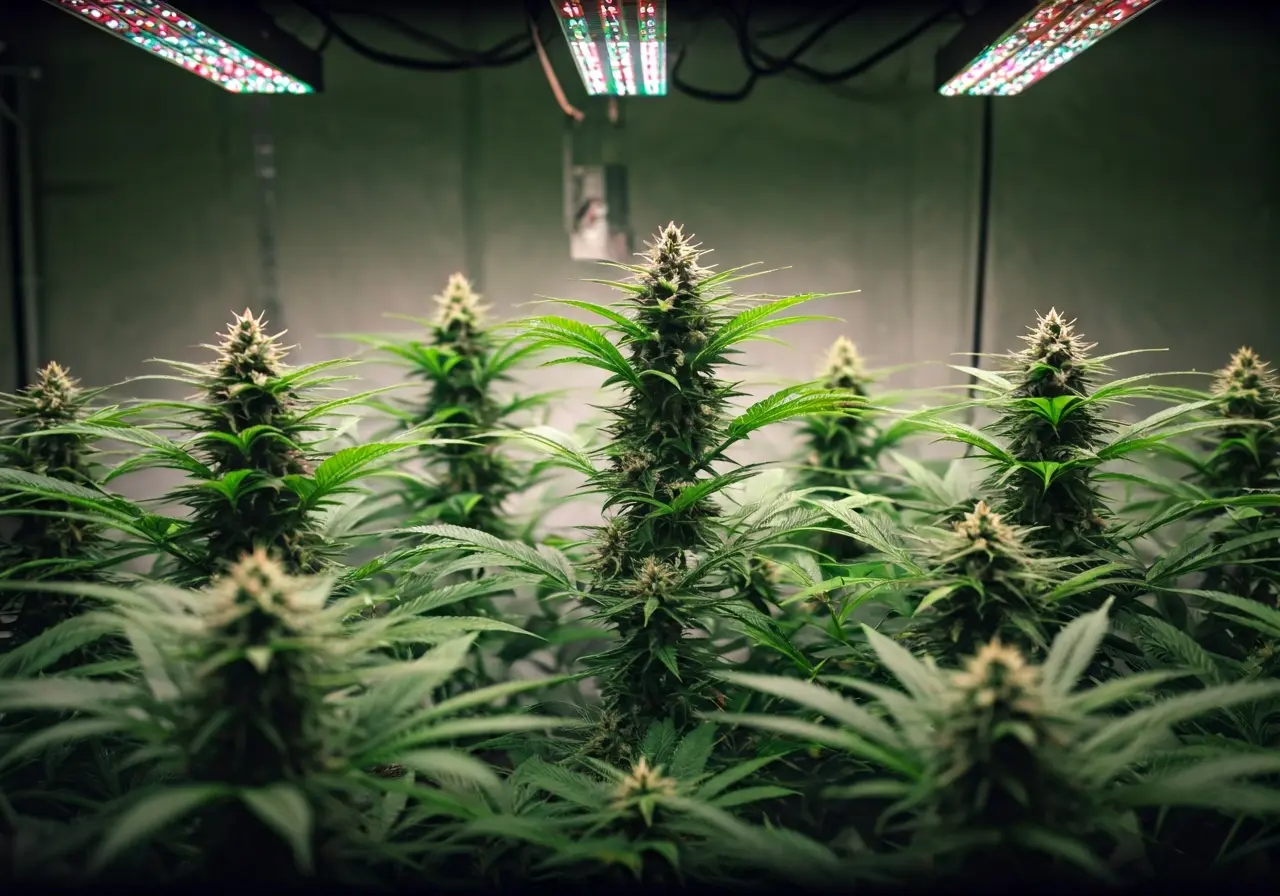
Growing cannabis indoors can be a rewarding endeavor, providing greater control over environmental conditions and quality. However, it requires understanding and implementing best practices to ensure a healthy and bountiful yield. This guide will walk you through some key practices to boost your indoor cannabis cultivation game.
Choose the Right Genetics
Selecting the appropriate cannabis strain is crucial. Consider factors such as growth patterns, flowering time, and THC content to find strains that will thrive indoors. Some strains are particularly suited for indoor growing due to their compact size and shorter flowering time, making them ideal choices for beginners. Furthermore, it’s essential to consider the purpose of your cultivation, whether it’s for medicinal or recreational use, as this will guide your strain selection.
Beyond personal preference, researching strains that are resistant to common diseases can save you a lot of trouble down the line. Understanding cannabinoid profiles can also aid you in selecting a strain that meets your specific needs. This step forms the foundation of a successful indoor cannabis cultivation process.
Optimize Lighting Conditions
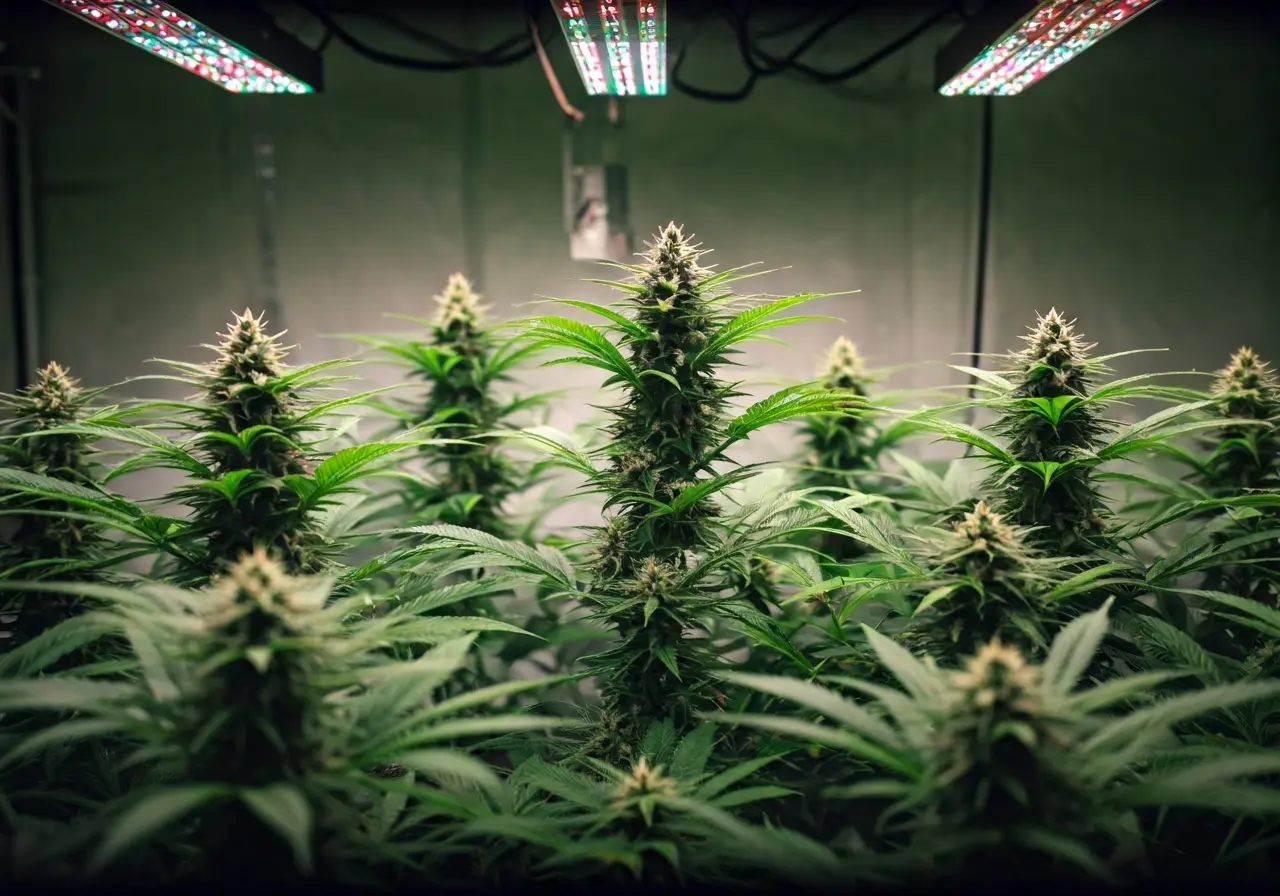
Lighting is arguably one of the most important aspects of indoor cannabis cultivation. The type of lighting you choose greatly influences the quality of the final product. LED lights, for instance, are a popular choice among growers due to their energy efficiency and ability to provide a wide spectrum of light colors.
Your plants will need different lighting conditions depending on their life stage. During the vegetative stage, a light cycle of 18 hours on and 6 hours off mimics long summer days, promoting growth. For flowering, reducing this to 12 hours on and 12 hours off stimulates the plant to produce buds. Adjusting the distance of lights from the canopy also ensures that plants receive adequate light intensity without risking heat stress.
Maintain Ideal Temperature and Humidity
A stable environment is necessary for healthy cannabis growth, which means monitoring and adjusting temperature and humidity levels regularly. Temperatures between 70-85°F (21-29°C) are ideal, but a slight drop at night can encourage stronger growth patterns. Humidity levels should vary throughout the plant’s life cycle; for example, seedlings thrive in higher humidity levels of 65-70%, which can be gradually reduced as the plant matures.
Preventing fluctuations in these conditions not only fosters healthy plant development but also reduces the risk of mold and mildew. Investing in a good quality thermostat and hygrometer can make it much easier to maintain these parameters within the optimal range.
Ensure Proper Ventilation
Ventilation is key to preventing mold and pests. Use fans and exhaust systems to ensure fresh air circulation and removal of excess heat. Incorporating an effective ventilation system in your indoor setup not only helps control temperature and humidity but also strengthens plant stems and reduces the risk of pest infestations.
Plants need carbon dioxide to perform photosynthesis, so introducing fresh air into your grow space is essential for meeting this demand. Exhaust systems also help maintain a clean environment by expelling stale air and bringing in fresh air from the outside, keeping your plants healthy and vibrant.
Use Quality Soil and Nutrients
Opt for nutrient-rich soil or hydroponic systems and provide balanced nutrients according to your plant’s specific growth stage to encourage robust growth. The medium you choose can significantly impact water retention, root aeration, and nutrient absorption, factors that are crucial for plant health.
Cannabis plants have different nutritional needs throughout their life cycle. Early stages may require higher nitrogen levels, whereas the flowering stage calls for more phosphorus and potassium. Using organic nutrients can lead to a cleaner taste profile in the final product, enhancing the quality of the yield.
Implement Regular Monitoring and Maintenance
Regularly check for pests, diseases, and nutrient deficiencies. Prune plants as necessary to promote light penetration and airflow. These regular check-ups are integral to maintaining a healthy indoor cultivation environment. Implement integrated pest management strategies to minimize damage without resorting to harsh chemicals.
Keeping a detailed grow log to document changes in your plants can help you track progress and troubleshoot issues that arise. This practice becomes particularly useful when evaluating the effectiveness of your cultivation techniques, allowing you to make informed adjustments as needed.
Final Thoughts on Indoor Cannabis Cultivation
Incorporating these best practices into your indoor cannabis cultivation can significantly enhance the quality and quantity of your yield. By paying careful attention to your plant’s environment, feeding, and overall health, you can cultivate thriving and robust cannabis plants.