

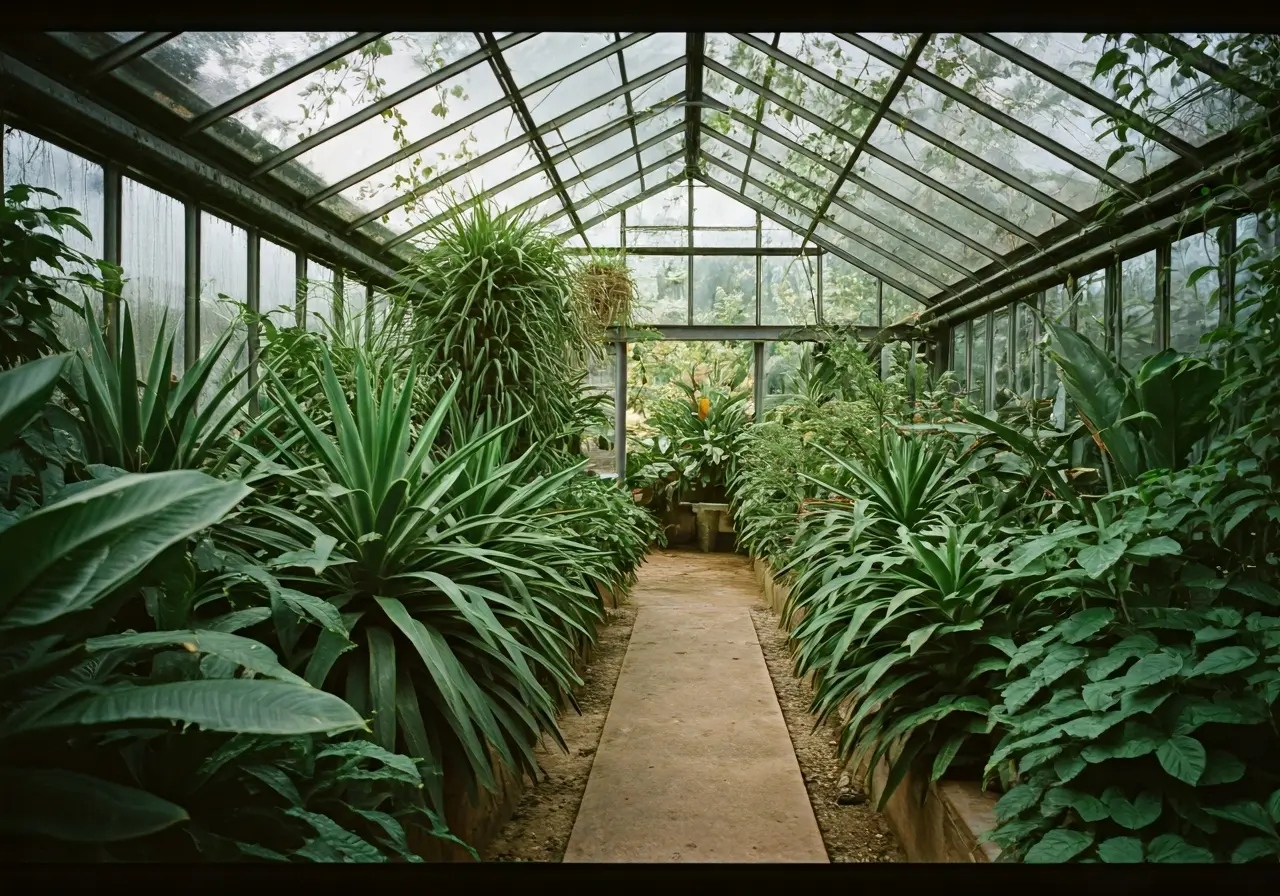
Designing a greenhouse involves more than simply erecting a structure with glass. It’s about creating an environment where plants can thrive, no matter the weather outside. In this FAQ, we’ll explore the essential elements that make a greenhouse not only functional but also efficient and sustainable.
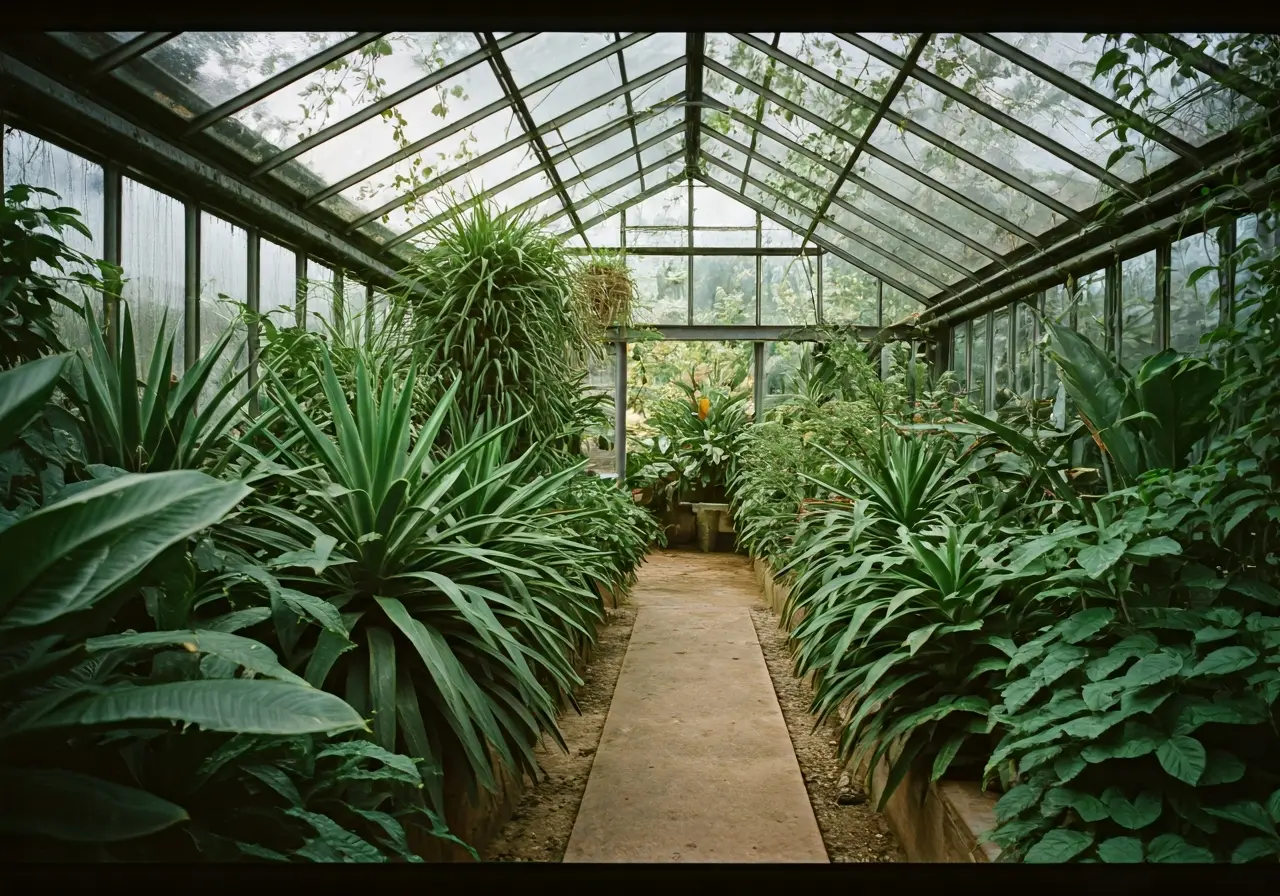
Location and Orientation
Choosing the right location and orientation for your greenhouse can maximize sunlight exposure and protect against harsh weather. Consider the direction of prevailing winds and potential shade from nearby structures.
When pinpointing the perfect spot, it’s crucial to evaluate how the greenhouse will capture sunlight throughout the year. A well-oriented greenhouse can significantly reduce energy needs by capturing maximum natural light during winter months. A north-south orientation is often ideal for maximizing light exposure, but local geography and climate also play key roles.
Selection of Materials
The materials used for the frame and covering of your greenhouse affect insulation, durability, and cost. Options like glass, polycarbonate, and polyethylene each have their own advantages and limitations.
For high performance, consider glazing materials that balance light transmission and insulation. Glass provides a classic look and excellent light quality but may be heavy and expensive. Polycarbonate panels, on the other hand, are lighter, offer good insulation and are more impact-resistant, making them a practical choice for many gardeners.
Temperature Control and Insulation
Maintaining a stable internal temperature is essential for plant growth. This requires effective insulation and systems like heaters, fans, or shading to regulate temperature across seasons.
Well-planned greenhouse design incorporates insulation strategies such as double-wall glazing and thermal mass to stabilize temperature fluctuations. Passive solar design elements, like thermal storage walls, can also play a significant role in regulating heat without excessive dependency on artificial heating systems.
Ventilation Systems
Proper ventilation prevents excessive humidity and provides fresh air, which is vital for plants. Options include manual vents, automatic ventilators, or exhaust fans.
Inadequate airflow can lead to stagnant conditions and diseases. Integrating ridge vents along the peak of the greenhouse roof allows hot air to escape naturally, while side vents facilitate incoming cooler air. Installing thermostatically controlled fans can automate and optimize air circulation for varying temperature needs.
Watering and Irrigation
A good irrigation system ensures adequate moisture for plants. Drip irrigation, misting, or automated watering can systems are suitable choices depending on your greenhouse size and plant needs.
Considering the variability in plant water needs, a zoned irrigation system can be highly effective. This setup caters to different plants’ moisture requirements by segmenting the greenhouse into zones, each with tailored irrigation settings. This scalability is particularly beneficial for larger installations.
Energy Efficiency
Using energy-efficient systems can reduce operational costs and environmental impact. Consider energy-efficient lighting, solar panels, or geothermal heating to enhance sustainability.
In today’s eco-conscious world, prioritizing energy efficiency in your greenhouse design isn’t just beneficial for the environment—it’s a smart financial choice as well. Implementing solar panels not only supplements traditional energy but also contributes to a self-sustaining facility. Additionally, investing in LED grow lights can decrease electricity bills and provide optimal light spectrum for various plant stages.
We offer a variety of solutions to improve your greenhouse’s energy efficiency and sustainability. Whether you’re looking to install cutting-edge LED grow lights or invest in solar-powered systems, our energy-efficient solutions cater to all your needs.
Wrapping Up Your Greenhouse Design
By considering factors like location, materials, ventilation, and energy efficiency, you can design a greenhouse that supports healthy plant growth and minimizes environmental impact. Whether you’re a hobbyist or a professional, understanding these key components is crucial for building and maintaining a successful greenhouse.