

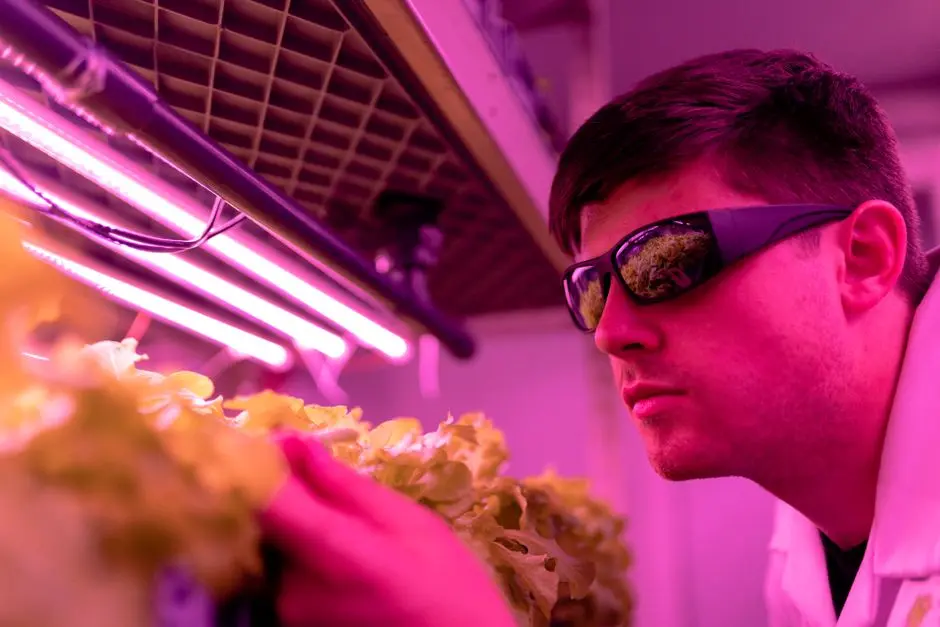
Indoor cultivation is rapidly evolving, influenced by technological advancements and a growing interest in sustainable practices. As more people and industries are drawn to the benefits of indoor growing, it’s essential to stay informed about the latest solutions and trends shaping the future. In this blog, we’ll explore the key developments in indoor cultivation and what they mean for the future.
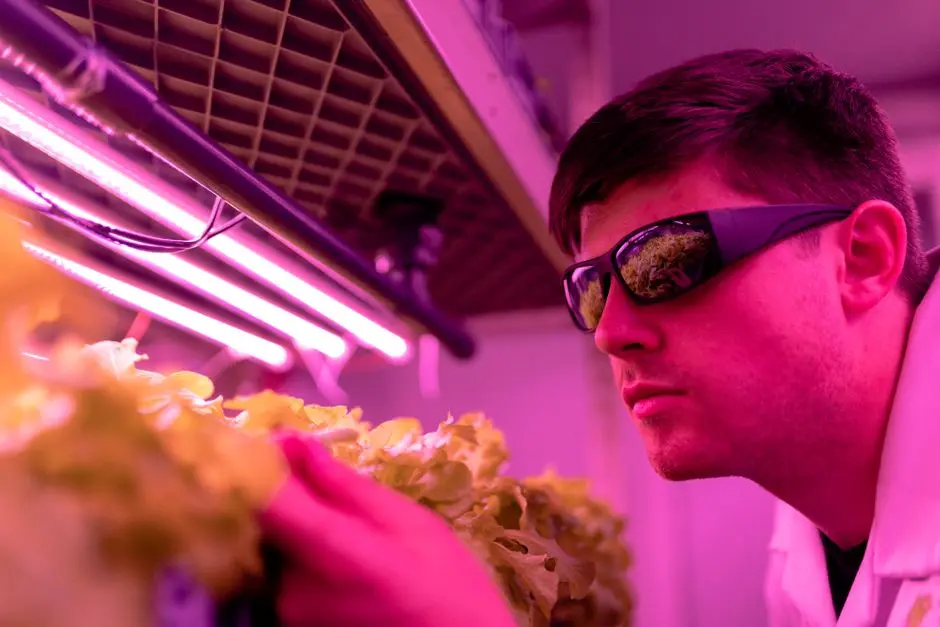
The Rise of Smart Technology in Indoor Growing
Smart technology is revolutionizing indoor cultivation by offering precise control over growing conditions. From smart sensors to automated systems, these tools allow growers to monitor and adjust factors like temperature, humidity, and light, ensuring optimal growth conditions.
One of the major benefits of incorporating smart technology into indoor cultivation is the ability to reduce labor costs. Automated systems can manage routine tasks such as watering and fertilization, thereby decreasing the need for manual intervention. Additionally, with real-time data collection, growers can quickly identify issues, reducing the likelihood of crop failure. The integration of Internet of Things (IoT) devices in agriculture is facilitating these advancements by providing centralized control systems accessible via smartphones and computers.
Smart lighting systems are yet another frontier in technological advancements for plant cultivation. LED lighting, when integrated with smart controllers, can mimic natural light cycles and adjust automatically to the plant’s needs. This capability not only optimizes growth conditions but can also lower energy consumption, a significant benefit given the rising costs of electricity. Plus, tailored light spectrums can enhance plant characteristics like flavor and color, making the harvest more appealing to consumers.
Sustainability: A Key Focus in Modern Cultivation
Sustainability is at the forefront of indoor cultivation innovations. With concerns over resource use, new solutions are being developed to recycle water, reduce energy consumption, and use organic materials, ensuring that cultivation practices are environmentally friendly.
Water conservation is one of the most critical components of sustainable indoor farming. Techniques like hydroponics, in which plants are grown in nutrient-rich water rather than soil, utilize a closed-loop system that minimizes water waste. Such systems are increasingly being adopted due to their efficiency and the growing need to save water in areas facing prolonged droughts. Indoor growers are also implementing rainwater harvesting and waste-water recycling systems to ensure a more sustainable approach.
Energy-efficient solutions are also becoming necessary in reducing the carbon footprint of indoor farms. The integration of renewable energy sources like solar panels can supplement the energy needs of indoor cultivation facilities. By making use of green energy, growers not only cut down on greenhouse gas emissions but also benefit from reduced utility costs in the long run. These eco-friendly efforts align with global initiatives to combat climate change, providing a more responsible cultivation solution.
Vertical Farming: Maximizing Space and Yield
Vertical farming is gaining traction as it allows for the efficient use of space, particularly in urban areas. By growing crops in stacked layers, growers can maximize space and increase yield, making indoor cultivation more viable even in constrained settings.
In urban environments where space is a premium, vertical farming offers a practical solution by allowing multiple layers of crops to grow in a single, controlled environment. This method not only maximizes the available space but also leads to increased yield per square foot. With innovations in automated systems and smart harvesting technologies, vertical farms can produce up to 10 times more food than traditional farms while using significantly less land.
LED Lighting: Enhancing Growth and Reducing Costs
LED lighting has become a staple in indoor cultivation thanks to its energy efficiency and effectiveness. These lights provide the specific spectrum of light that plants need for growth while consuming less electricity, resulting in cost savings for growers.
The role of LED lighting in enhancing plant growth cannot be overstated. Unlike traditional fluorescent lights, LEDs can be fine-tuned to emit specific wavelengths of light that cater to different growth stages of a plant. This specificity results in healthier plants and better yields. Furthermore, LEDs produce less heat, reducing the reliance on cooling systems and further cutting down on energy consumption. Advances in LED technology continue to strengthen their relevance, with newer models being even more efficient and offering extended lifespan, effectively lowering the long-term operational costs.
The Role of Data Analytics in Cultivation Success
Data analytics is playing an increasingly important role in indoor cultivation. By collecting and analyzing data from various growing conditions, growers can make informed decisions that enhance plant health and maximize output.
By employing data analytics, growers can predict and respond to a wide array of variables affecting plant health. Tracking metrics such as light exposure, moisture levels, and nutrient absorption provides invaluable insights that can bolster production efficiency. Additionally, as data analytics technology evolves, more sophisticated predictive modeling will become possible, allowing growers to anticipate crop needs and potential issues. This proactive approach minimizes risk and enhances profitability, a win-win for both small-scale and commercial growers.
Embracing the Future of Indoor Cultivation
In summary, the future of indoor cultivation solutions looks promising, driven by innovative technologies and sustainable practices. By understanding these trends, growers can make informed decisions that enhance productivity while minimizing environmental impact. Whether you’re a hobbyist or a commercial grower, staying ahead of these developments can lead to more efficient and successful indoor cultivation. Embrace these changes to take your growing to the next level by visiting our homepage.
