

Indoor farming is revolutionizing the way we grow our food, offering innovative solutions for achieving optimal yield regardless of weather conditions. By harnessing technology and controlled environments, indoor farming presents limitless possibilities. In this blog, we’ll explore key aspects of indoor farming solutions that are transforming agriculture from the inside out.
Understanding the Basics of Indoor Farming
Indoor farming, also known as controlled environment agriculture, involves growing crops in a controlled environment where factors like light, temperature, and humidity can be precisely managed. This approach allows for consistent crop production and maximized yields, regardless of the season or climate.
At its core, indoor farming reduces the unpredictability of traditional outdoor farming. By eliminating factors such as drought, excessive rain, and unexpected frosts, farmers can maintain a steady production cycle. This consistency not only helps in stabilizing the agricultural supply chain but also ensures that produce reaches consumers with minimal fluctuations in availability and price.
Technological Innovations Driving Indoor Farming
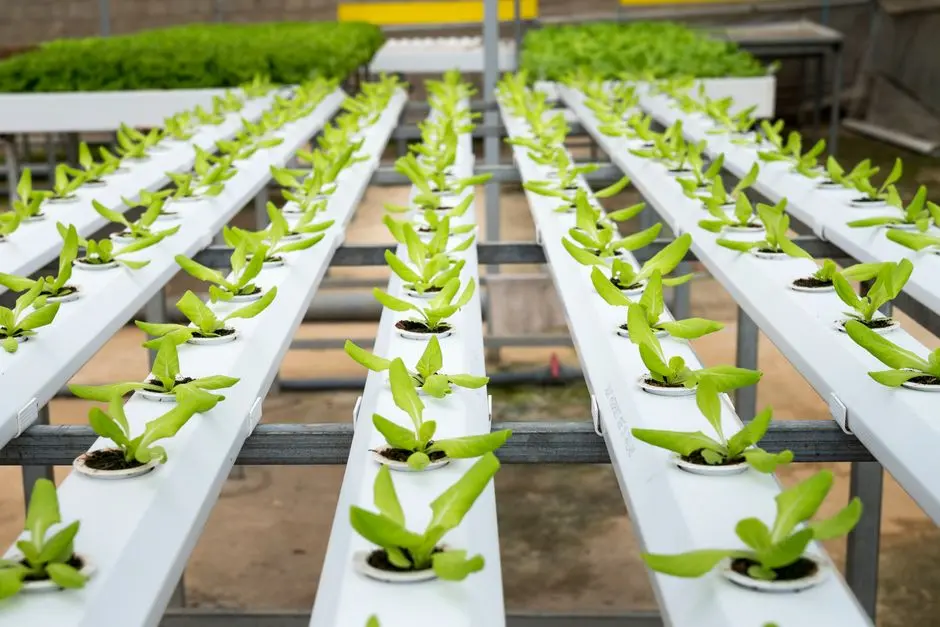
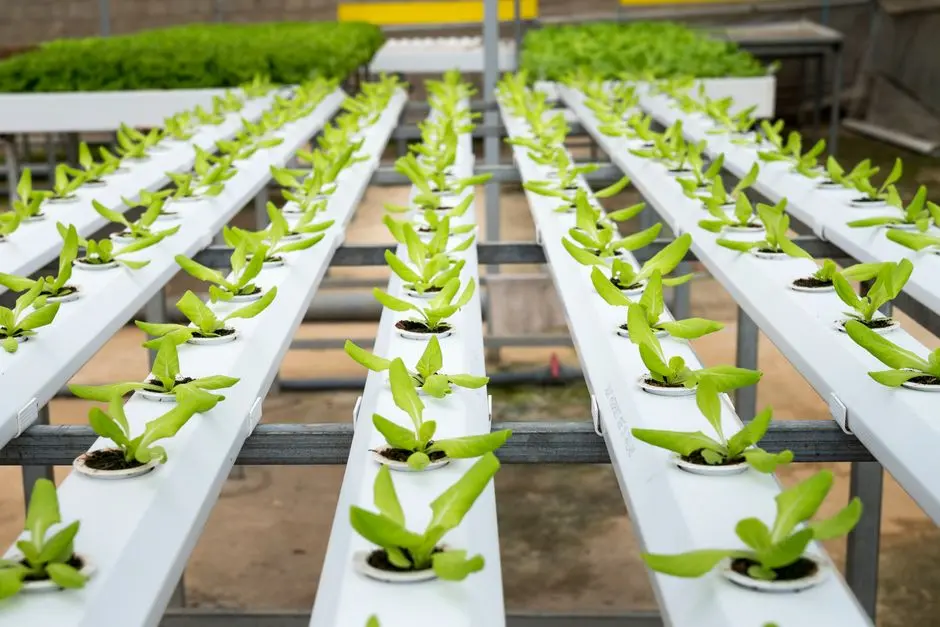
With advancements in technology, indoor farming has become more efficient and effective. Innovations such as LED lighting, hydroponics systems, and vertical farming structures have made it possible to grow more food using fewer resources. These technologies enable farmers to monitor and adjust growing conditions to optimize plant health and yield.
LED lighting systems are particularly impactful. These lights provide the specific wavelengths necessary for photosynthesis, improving energy efficiency and reducing costs compared to traditional lighting methods. Moreover, hydroponics eliminates soil use, allowing plants to grow faster and with water conservation. Implementing these systems requires a sophisticated understanding of plant physiology and a willingness to invest in technology, but the rewards can be substantial.
Vertical farming is another significant development in the realm of indoor agriculture. By stacking plant beds vertically, this method maximizes the use of space, making it ideal for urban areas with limited land availability. As a result, cities can enhance their food security by producing fresh produce locally, reducing reliance on food imports.
Creating the Ideal Indoor Environment for Plants
To unlock optimal yields, it’s crucial to create an environment that meets the specific needs of the plants being grown. This includes regulating light, maintaining ideal temperature and humidity levels, and ensuring proper nutrient delivery. Tailoring these elements to each crop type can lead to significant improvements in growth and productivity.
One of the fundamental challenges in indoor farming is balancing these elements: plants have distinct light and humidity requirements, which can vary not just by species, but also by stage of growth. Automated climate control systems have made maintaining these environments more feasible, providing precise control over growing conditions. Real-time data collection plays a critical role in adjusting parameters, offering insights into how different adjustments may affect plant growth and health in various conditions.
Strategic Planning for Maximum Yield
Achieving optimal yield also requires strategic planning. This involves selecting the right crops, efficiently utilizing space, and planning crop rotations to prevent nutrient depletion. By considering all these factors, indoor farmers can maximize efficiency and improve their production output.
Careful crop selection is crucial to strategic planning. Some plants are more suited to indoor environments due to their growth patterns or lighting needs. For instance, leafy greens, herbs, and certain vine crops thrive in controlled settings. Utilizing data-driven forecasting tools can assist in understanding which crops will provide the best return on investment, helping farmers make informed decisions about what to plant and when to harvest.
Overcoming Challenges in Indoor Farming
While indoor farming boasts numerous benefits, it does come with challenges such as high initial setup costs and energy consumption. However, with continual advancements and innovation, these challenges can often be mitigated. By investing in sustainable technologies and practices, farmers can ensure their indoor farms are both productive and eco-friendly.
Energy consumption is a particular area of concern. The power required to support LED lights and climate control systems can be significant, affecting both operational costs and environmental sustainability. Innovations in renewable energy integration are providing viable solutions, reducing reliance on non-renewable resources and lowering overall carbon footprints. By incorporating solar panels or other renewable energy sources, farms not only become more sustainable but can also reduce long-term energy costs considerably.
Despite these challenges, the global interest in sustainable and efficient food production continues to grow. The unique ability of indoor farms to produce high-quality crops year-round supports a vital shift toward more sustainable agricultural practices.
Embracing the Future of Indoor Farming
Indoor farming solutions offer a promising path toward sustainable food production, enabling growers to meet the demands of a growing population while minimizing environmental impact. By embracing technology, optimizing growing conditions, and planning strategically, farmers can achieve remarkable yields indoors. The future of farming is bright, and with a little innovation and perseverance, the possibilities are endless.
