


In the modern business landscape, staying ahead of the curve is essential. Cultivation technology has emerged as a revolutionary force, transforming traditional agricultural practices and paving new avenues for businesses to explore. But what exactly is cultivation technology, and why should your business be paying attention? In this blog post, we’ll explore the rise of cultivation technology and its significant impact on various industries.
Understanding Cultivation Technology
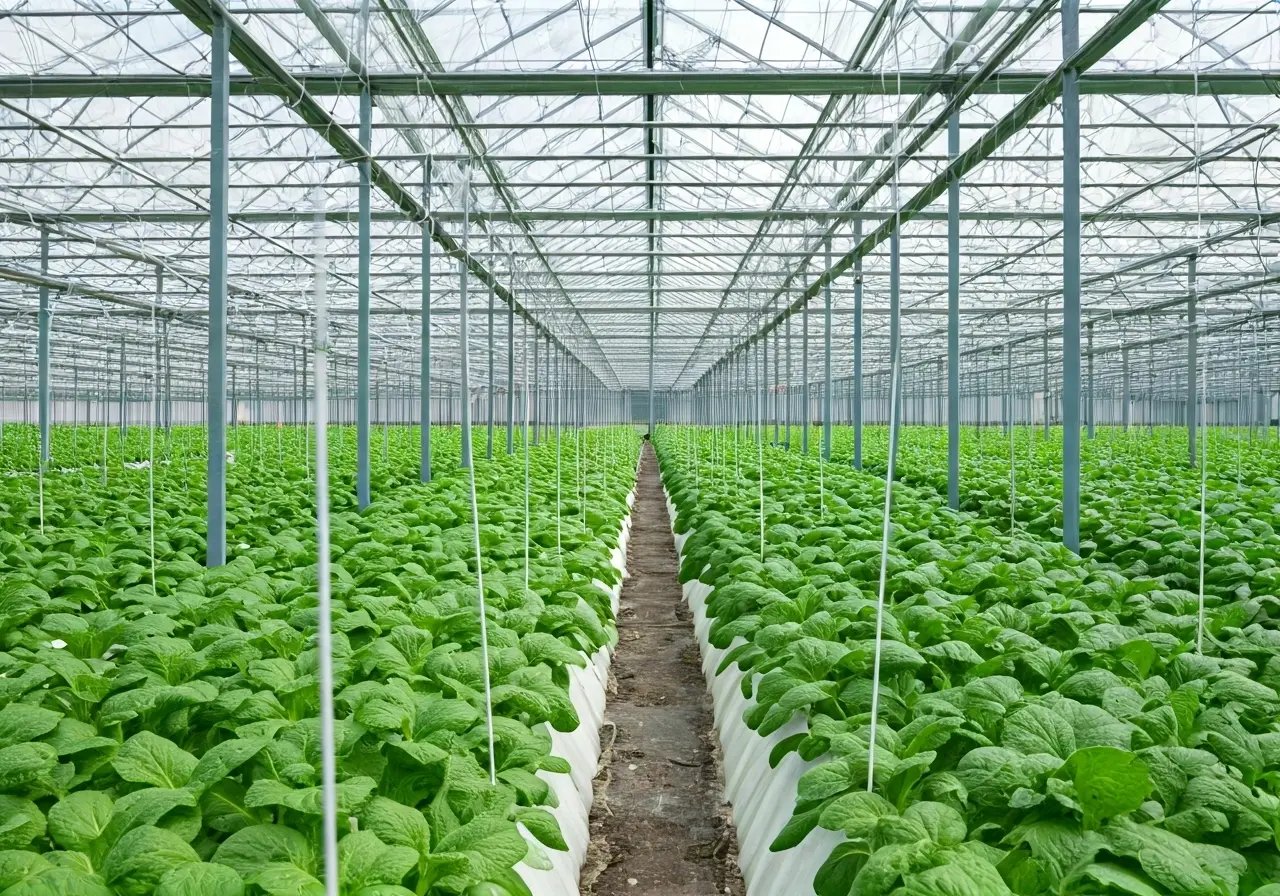
Cultivation technology encompasses a wide array of modern tools and methodologies designed to elevate agricultural productivity and quality. In its essence, it involves the integration of traditional farming wisdom with state-of-the-art technologies such as IoT devices, precision agriculture, and data analytics. The result is an ecosystem where crops can be monitored, resources can be optimized, and productivity can be maximized like never before. This harmonious blend of old and new is not just reshaping how we grow food but is also enhancing the resilience and efficiency of agricultural practices globally.
One of the core components of cultivation technology is precision farming. This approach allows farmers to precisely manage what their crops need—when they need it. By employing technologies like drone surveillance and sensors, farmers gather real-time data on soil conditions, crop health, and weather patterns. This data is then analyzed using sophisticated algorithms to make informed decisions, drastically reducing waste while maximizing output. Such precise management not only boosts productivity but also ensures that resources are used sustainably.
Key Developments in Cultivation Technology
Recently, cultivation technology has seen groundbreaking advancements that are revolutionizing agriculture. AI-driven analytics are playing a pivotal role in transforming raw data into actionable insights, allowing farmers to predict and mitigate challenges such as pest infestations and droughts. Meanwhile, automated irrigation systems are ensuring that water is used judiciously, delivering the right amount at the right time, which is crucial in times of water scarcity.
Drones have become indispensable in modern agriculture, serving as the eyes in the sky that provide accurate mapping and surveying capabilities. These flying machines can cover vast acres quickly, identifying stressed crops and assessing growth patterns. By providing such detailed insights, drones help in tailoring interventions that are precise and cost-effective. This advancement not only aids in improving productivity but also contributes significantly to sustainable agricultural practices.
Impact on Sustainability
Cultivation technology is at the forefront of promoting sustainability in agriculture. By enabling practices that minimize water waste, reduce soil depletion, and lower pesticide use, it significantly cuts down the agricultural sector’s environmental footprint. Implementations like precision irrigation and organic pest control are helping in conserving vital resources while protecting the ecosystem. These practices are essential in the fight against climate change and align with global sustainability goals, ensuring that future generations can also reap the benefits of the Earth’s natural bounty.
Moreover, sustainable agriculture facilitated by cultivation technology also offers economic benefits. By reducing the dependency on finite resources and minimizing waste, farmers can lower production costs and enhance profitability. These technologies provide the means to maintain a delicate balance between economic gains and environmental health, thus fostering a thriving agricultural landscape that supports both nature and human needs.
The Business Case for Embracing Cultivation Technology
The integration of cultivation technology is a powerful catalyst not just for agricultural efficiency but also for opening new business avenues. By adopting these technologies, agricultural businesses can not only improve their output and lower costs but also expand their market reach with novel products and enhanced consumer engagement. The ability to produce high-quality, sustainably grown goods offers a unique selling proposition in an increasingly eco-conscious market.
Embracing these practices early can significantly position a business ahead of its competitors, both in terms of productivity and reputation. Companies that are seen as leaders in sustainability innovation tend to have better access to partnerships and consumer loyalty. Furthermore, they often benefit from supportive policies and incentives aimed at promoting technology-driven agricultural practices. Such strategic adoption ensures long-term business growth and resilience against market fluctuations and environmental uncertainties.
Real-World Applications and Success Stories
Globally, numerous success stories highlight the transformative power of cultivation technology. For instance, vertical farming—a technique that stacks crops in layers—is making waves in urban agriculture. In dense cities where space is limited, this method allows for fresh produce right in the heart of urban landscapes, significantly reducing the carbon footprint associated with transportation and storage.
Large agricultural enterprises have also harnessed AI and machine learning to optimize every aspect of their operations. Companies using AI to analyze extensive data sets can predict crop performance and tweak variables to enhance yield and quality. Such predictive analytics are invaluable in managing risks and ensuring consistent production even in you unfavorable conditions. The story of these successful integrations showcases not just improved outputs but also highlights a commitment to sustainability and technological innovation.
Harness the Power of Cultivation Technology for Sustainable Growth
As we’ve explored, cultivation technology is not just a trend; it’s a transformative force driving efficiency, sustainability, and innovation across industries. By understanding and integrating these advancements, your business can gain a competitive edge and contribute to a more sustainable future. Staying informed and adaptable is key to leveraging the full potential of cultivation technology for growth and success.