


Indoor farming is an innovative approach to growing crops in controlled environments. It allows for production without depending on external weather conditions. An essential part of this method is the use of cultivation equipment. In this FAQ, we will explore how various tools and machines enhance the efficiency and success of indoor farming.
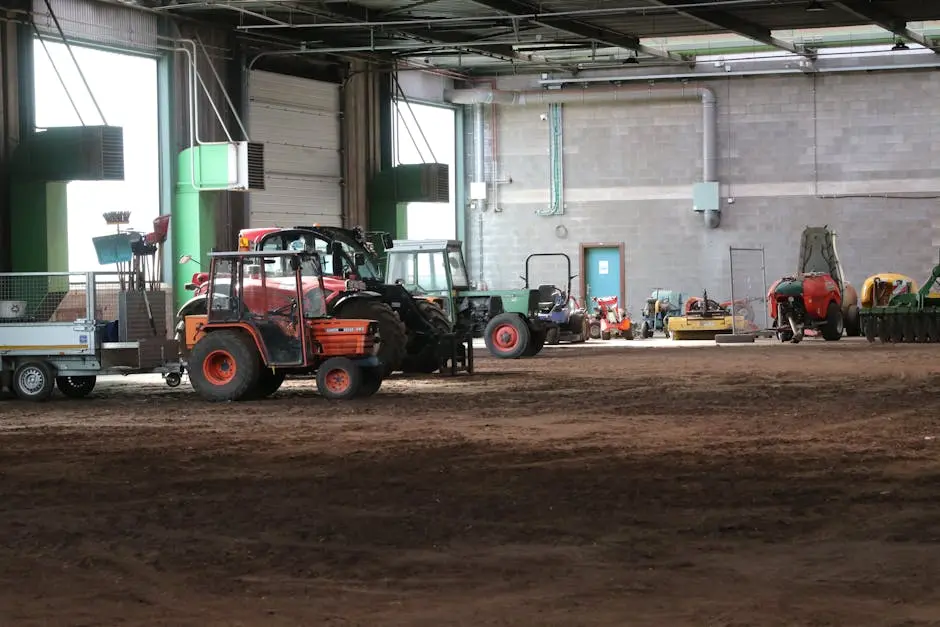
What is Cultivation Equipment?
Cultivation equipment refers to the array of tools and machines used to support the growing of plants. This includes lighting systems, irrigation setups, temperature and humidity controls, and more. In indoor farming, these tools are crucial for creating an environment where crops can thrive.
These tools are engineered to address the unique challenges of indoor farming. For instance, where sunlight and rain are naturally available in traditional agriculture, indoor farms rely on equipment to replicate and even enhance these natural elements. This not only ensures higher yield but also contributes to the sustainability of farming practices.
In addition, the right cultivation equipment can significantly reduce the labor and time required for maintaining an indoor farm. By automating many of the routine tasks, farmers can focus more on strategic elements of farming such as crop rotation and pest control, further ensuring the health and productivity of their crops.
How Do Lighting Systems Enhance Plant Growth?
Lighting systems provide essential light that indoor plants need for photosynthesis. Quality lighting replicates the sun’s spectrum and can be adjusted for different stages of plant growth, ensuring that plants receive exactly what they need to grow healthy and strong.
Advanced lighting technologies like LED lights are particularly popular in indoor farming because they are energy-efficient and can be customized based on the specific needs of different plant species. This allows farmers to optimize the light exposure for each type of crop, enhancing their growth and quality.
Furthermore, having control over the lighting duration and intensity means that farmers can simulate day and night cycles, even in environments with limited natural light. This capability is critical for maximizing the growth potential of indoor plants and keeping them in optimal health.
Why Is Irrigation Important in Indoor Farming?
Efficient irrigation systems ensure that plants receive the right amount of water without wastage. By automating watering schedules and distribution, farmers can achieve consistent moisture levels, which is critical for plant health in an indoor setting.
Beyond water conservation, accurate irrigation management helps prevent common issues like overwatering and underwatering, both of which can lead to reduced plant health and yield. Proper irrigation also creates the right balance of nutrients in the soil or hydroponic solutions, further enhancing plant growth.
What Role Does Climate Control Play?
Climate control systems regulate temperature and humidity levels, two critical factors in indoor farming. These systems help maintain the optimal environment for plant growth by allowing adjustments that mimic natural growing conditions, even when the weather outside is not ideal.
Besides comfort for the plants, maintaining proper climate conditions prevents diseases that can arise from excess humidity or inappropriate temperatures. This ensures that plants not only survive but thrive, leading to healthier produce with longer shelf lives.
Furthermore, climate control systems are integral for energy efficiency in indoor farms. By optimizing resource usage, they contribute to sustainable farming practices, reducing the overall carbon footprint while boosting production efficiency.
How Do Automation and Monitoring Systems Improve Efficiency?
Automation tools and monitoring systems streamline many farming processes, reducing manual labor and improving accuracy. By using sensors and automated controls, farmers can fine-tune their operations to maximize productivity and respond quickly to any issues that arise.
These systems provide detailed analytics on plant growth, allowing farmers to make data-driven decisions. For example, tracking growth patterns can highlight areas needing improvement, suggesting modifications to the cultivation strategy that could further enhance plant health and yields.
Investing in robust monitoring and automation infrastructure not only saves time but also improves the consistency and quality of the crops. This translates into better marketable produce and higher profits, vital for the viability of any indoor farming operation.
The Impact of Cultivation Equipment on Indoor Farming Success
Cultivation equipment plays a critical role in the success of indoor farming by ensuring optimal growing conditions, enhancing efficiency, and allowing farmers to maximize their yields. Whether you’re new to indoor farming or looking to optimize your existing setup, investing in the right equipment can make all the difference in achieving your agricultural goals.