


Crop steering is a transformative farming technique that can significantly boost your yields by precisely controlling the growing environment of your plants. Whether you’re a seasoned farmer or new to the world of agriculture, these steps will guide you through mastering the art of crop steering for a more productive harvest.
1. Understanding the Basics of Crop Steering
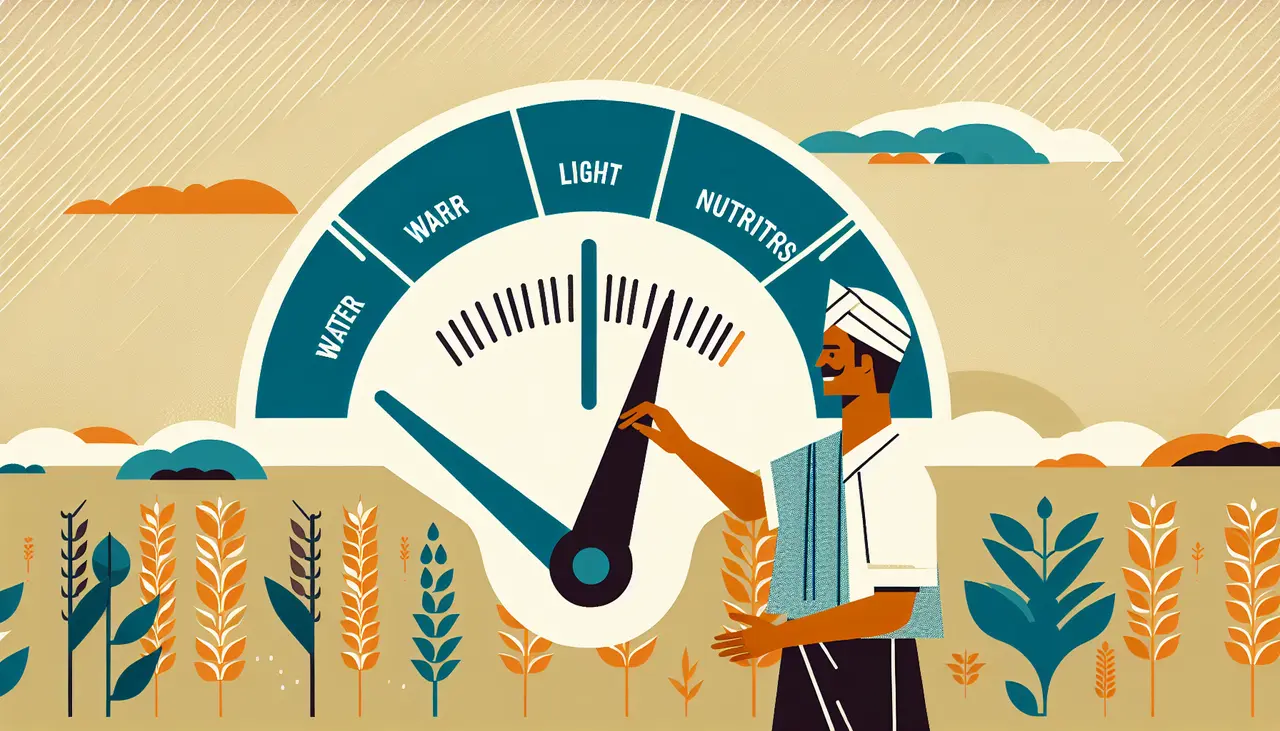
Before diving into techniques, it’s essential to grasp the basic concepts of crop steering. This involves manipulating the plant’s environment through light, humidity, and nutrition to push growth in a desired direction. By leveraging these elements, you can achieve the ideal balance between vegetative and generative growth, thus steering the plant towards larger yields or specific harvest windows. Recognizing how each factor influences plant behavior is a foundational step for successful crop steering.
The term ‘crop steering’ might sound complex, but at its core, it’s about understanding plant biology and its response to environmental shifts. This knowledge empowers growers to become proactive rather than reactive, predicting how changes in light cycles or nutrient applications will affect plant development. By adopting a mindset of continuous learning and adaptation, farmers can become adept at employing crop steering techniques effectively.
2. Setting Up Your Growing Environment
A well-organized and controlled growing environment is crucial. Ensure that your greenhouse or grow room is equipped with adequate ventilation, lighting, and climate control systems to support crop steering. Investing in high-quality, efficient systems will create a stable foundation for your plants to thrive. It’s equally important to regularly maintain this equipment to prevent malfunctions and ensure consistent results throughout the growing season.
Optimizing the layout and infrastructure of your growing space can also enhance crop steering efforts. Consider the placement of plants to maximize exposure to light and airflow, and think about how these elements can be adjusted as plants grow. The goal is a harmonious environment that reduces stress and allows plants to flourish under guided conditions, ultimately leading to improved yields.
3. Balancing Light Ratios
Light plays a pivotal role in crop steering; adjusting light exposure can influence flowering and vegetative growth. Experiment with different light spectra to find what best suits your crops. For instance, red light can stimulate flowering, while blue light is essential for vegetative growth. Understanding the benefits of these light spectra can help tailor your approach. By fine-tuning light exposure, you can effectively steer plant growth phases to coincide with your planned harvest schedule.
4. Managing Humidity Levels
Humidity can greatly affect plant stress levels and growth patterns. Controlling humidity ensures that plants remain healthy and can be steered effectively to increase yields. By maintaining optimal humidity levels, plants can efficiently process nutrients and photosynthesize. Implementing a robust climate control system can aid in maintaining these conditions and preventing issues such as mold or root rot that thrive in unregulated environments.
5. Optimizing Nutrient Solutions
The right balance of nutrients is key to successful crop steering. Tailor your nutrient solutions according to the growth stage and environmental conditions for optimal plant performance. It is important to interpret plant signals to adjust formulas accurately. Research on tailored nutrient applications can provide insights into creating optimally balanced solutions. As plants transition from vegetative to flowering phases, understanding these nutrient dynamics can ensure that you’re meeting their evolving needs.
6. Implementing Irrigation Strategies
Watering strategies can impact root growth and overall health. Precision in irrigation timing and volume allows for better steering of plant development. Utilize smart irrigation systems to manage water usage efficiently and ensure plants receive the right amount at the right time. By doing so, you can stimulate root systems and manage plant stress, promoting vigorous growth and robust yield outcomes.
7. Integrating Climate Control Systems
Effective climate control systems help manage temperature, CO2 levels, and airflow, which are vital components for successful crop steering. Integrating advanced technology can sustain an environment conducive to plant health. CO2 enrichment systems are particularly vital, as they can enhance photosynthesis and thereby boost plant growth when correctly balanced with temperature and light. This triad of conditions forms the backbone of a thriving controlled growing environment.
8. Monitoring Plant Stress Signals
Plants communicate their needs and stress through visible signals. Learning to read these signals accurately is crucial for responding quickly and effectively to their needs. Observe leaf color, texture, and overall vigor, as these indicators help determine if the crop steering adjustments are appropriate. Stress detection techniques can help identify potential issues before they escalate, facilitating timely interventions that preserve crop health.
9. Adjusting Growth Cycles
The timing of growth phases can be modified through crop steering. By strategically adjusting growth cycles, you can maximize productivity and manage harvest times. Adjusting photoperiods or implementing techniques like topping and pruning can influence plant development stages, aligning growth with market demand or personal goals. Understanding the principles of growth regulation and plant hormones can empower you to make informed adjustments that boost yield while maintaining quality.
10. Collecting and Analyzing Data
Successful crop steering requires thorough data collection. Regularly record and analyze data about environmental conditions and plant performance to refine your steering methods. Implementing data collection systems ensures that you can make informed decisions based on real-time information, allowing adjustments to be precise and responsive. Utilizing data analytics tools can significantly enhance the efficacy of your crop steering techniques, leading to consistent improvements over time.
11. Continuously Fine-Tuning Techniques
Crop steering is a dynamic process that requires ongoing adjustments. Stay informed about new techniques and continuously refine your methods for better results. The agricultural field is ever-evolving, and keeping abreast of the latest research and technology trends can provide you with innovative tools to fine-tune your processes, ensuring your crop steering efforts remain cutting-edge.
12. Embracing Technology and Automation
Incorporating cutting-edge technology and automation systems can streamline crop steering efforts, reducing manual workload and enhancing precision. Automating tasks such as irrigation, data collection, and climate control can lead to more uniform outcomes and unleash time to focus on strategic aspects of plant care. Implementing smart technology, such as Internet of Things (IoT) devices, can provide minute-by-minute feedback, allowing for prompt adjustments that leverage real-time data, thus optimizing yields.