


Indoor cannabis cultivation has become increasingly popular as it allows for greater control over the growing environment. However, selecting the right equipment can be a daunting task, especially for those new to the industry. In this blog, we’ll guide you through the essentials of choosing the right cannabis industry equipment to ensure a successful indoor cultivation experience.
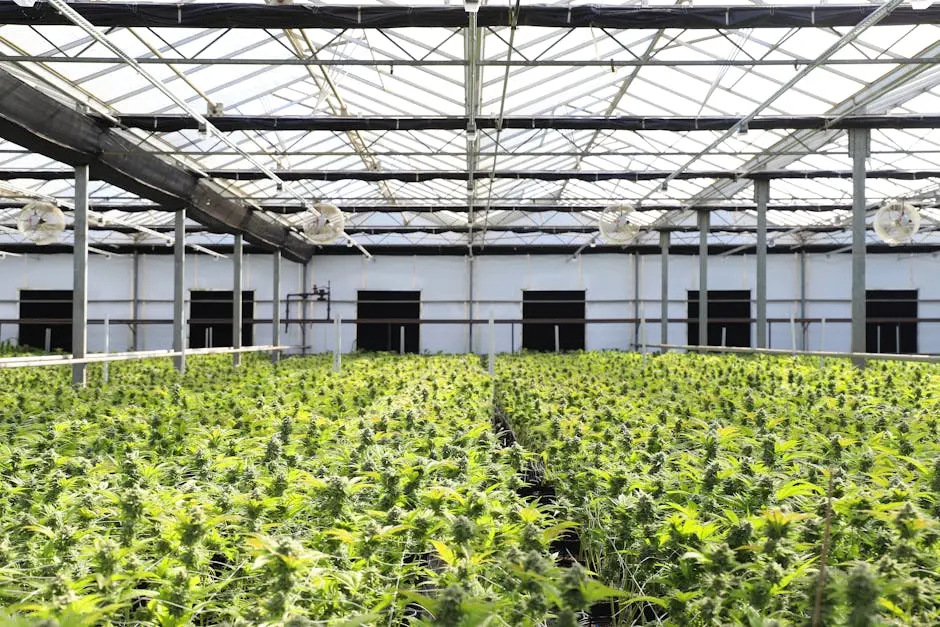
Understanding the Basics of Indoor Cultivation
Before diving into equipment selection, it is essential to grasp the basics of indoor cultivation. This includes understanding the life cycle of the cannabis plant, the importance of environmental control, and the specific needs of the strain you are cultivating. Knowledge of the cannabis plant’s growth stages—from germination to vegetative to flowering—is crucial. Each stage requires different light cycles and nutrient levels. Environmental control, such as regulating temperature and humidity, is necessary to mimic outdoor conditions indoors and ensure optimal plant growth. Additionally, understanding the nuances of different cannabis strains and their distinct growth habits helps in determining the appropriate equipment. Selecting standardized equipment assumes a one-size-fits-all approach, which may not be effective for all plant types.
Choosing the right cannabis industry equipment starts with thoughtful planning and foresight. Assess your space, budget, and cultivation goals—whether you’re aiming for maximum yield, potency, or a combination of traits. Indoor setups offer the unique advantage of growing year-round, but require consistent monitoring and fine-tuning. Factors such as plant spacing, pot size, and even the type of soil will influence your equipment choices. It’s crucial to start with a solid foundation and tailor your setup to your plants’ needs.
Lighting: The Cornerstone of Indoor Cultivation
Choosing the right lighting is critical as it directly affects the growth and quality of your plants. From LED grow lights to HID lamps, we explore different lighting options and their benefits to your indoor setup. LED grow lights are particularly popular due to their energy efficiency and long lifespan. They provide a full spectrum of light that closely mimics natural sunlight, promoting better growth patterns across plant life stages. HID lights, including Metal Halide (MH) and High-Pressure Sodium (HPS) lamps, are valued for their high intensity and effectiveness in large grow spaces. Understanding light intensity and spectrum is crucial for selecting appropriate lighting solutions that meet your plants’ photosynthetic needs.
When deciding on lighting solutions, consider factors like initial cost, long-term energy consumption, and heat output. LED lights, while more expensive upfront, often result in lower energy bills and reduced heat, minimizing the need for additional cooling equipment. On the other hand, HID lamps, although cheaper initially, may increase your operational costs over time. A balanced approach that weighs these elements will lead to more informed choices. Remember, optimizing your indoor grow requires adapting equipment to your specific cultivation landscape. Take the time to learn the benefits unique to each lighting system for a successful yield.
Moreover, incorporating a light mover system can help reduce hotspots and improve light distribution across your grow room. This ensures your cannabis plants receive equal light exposure, fostering more uniform growth. Successful cultivation hinges on replicating the natural conditions favorable to cannabis, where strategic lighting plays an integral role. By choosing the appropriate lighting setup, cultivators can not only enhance plant growth but also manage their environments more efficiently.
Effective Irrigation Systems for Optimal Growth
Irrigation is key to maintaining healthy plants. We discuss various irrigation systems such as drip irrigation and ebb and flow systems, helping you understand how to keep your plants adequately hydrated. Efficient water management not only preserves resources but also enhances plant health by ensuring consistent moisture levels. Drip irrigation systems, for example, provide precise water delivery directly to the plant roots, minimizing evaporation and runoff. Meanwhile, ebb and flow systems allow nutrient solutions to periodically flood the root zone before draining, promoting balanced nutrient uptake and root oxygenation.
Another important consideration is ensuring your irrigation system is compatible with your nutrient solution. Automated systems can mitigate the risk of overwatering and nutrient burn by using timers and sensors to monitor soil moisture and nutrient levels. Such automation not only frees up time for other cultivation tasks but also supports sustainable growing practices. Understanding these aspects allows growers to tailor their systems more effectively to meet the specific water and nutrient requirements of different strains.
Temperature and Humidity Control for Thriving Plants
Maintaining the right temperature and humidity levels is essential for preventing mold and mildew. We provide insights into climate control systems and tools like hygrometers to ensure your plants thrive. Temperature fluctuations can stress plants, leading to stunted growth or disease. Ideally, cannabis plants thrive at temperatures between 70°F to 85°F during the day and slightly cooler nights. Humidity levels should be adjusted based on the plant’s life stage, with higher humidity during vegging and lower during flowering to reduce mold risks.
Integrating technology like digital thermostats and dehumidifiers helps maintain these optimal conditions. Automated systems can monitor and adjust environmental settings in real-time, sustaining healthy growth and reducing human error. The integration of a smart climate control system offers consistent environmental regulation, which is crucial during the cannabis plant’s flowering stage to maximize yield quality. Effective monitoring and control enable growers to simulate the ideal outdoor climate, essential for indoor cultivation success.
Moreover, regularly charting your settings through data loggers can help quickly identify patterns and rectify any inconsistencies. By doing so, growers can ensure that they remain proactive in their environmental management strategies, preventing potentially costly issues before they arise. By choosing a proactive approach to temperature and humidity control, growers ensure both a productive grow cycle and superior crop quality.
Ensuring Air Quality with Ventilation Systems
Good air circulation is vital for plant health and productivity. Learn about the importance of ventilation systems, including exhaust fans and carbon air filters, to ensure your plants receive fresh air and keep odors in check. Proper ventilation removes excess heat, humidity, and odors, creating a more stable growing environment. Exhaust fans are an integral part of this setup, expelling hot, stagnant air and bringing in cooler, fresh air to nourish your plants. Paired with intake fans and ducting, they provide a steady airflow across the canopy.
Moreover, carbon filters play an essential role in odor control by trapping volatile organic compounds, ensuring discretion and compliance with local regulations. Ventilation systems also mitigate risks of mold and mildew by reducing humidity levels. By maintaining a steady flow of fresh air and keeping temperatures stable, growers can create a regulated micro-environment where their cannabis plants can thrive. Regular maintenance of fans and filters ensures optimal performance and longevity.
The strategic placement of equipment is also important to maximize effectiveness. Position your exhaust fan higher in your grow space as hot air rises, while intakes should be placed low. The strategic placement will aid in efficient heat dissipation. This setup can lead to better plant resilience and overall health, laying a stable foundation for future cultivation. Consistent air quality monitoring through modern sensor technology provides real-time data, helping growers to make informed decisions to enhance their setups further.
Creating a Flourishing Indoor Cannabis Environment
Choosing the right equipment for your indoor cannabis cultivation is crucial for a thriving and efficient operation. By understanding the essentials such as lighting, irrigation, temperature control, and air quality, you can create an optimal environment for your plants and enhance your cultivation experience. Learn more about how you can build your ideal indoor cannabis environment by visiting our homepage.