


Cultivation design is more than just a buzzword in the world of agriculture. It’s a strategic approach that can significantly enhance plant health and increase yield. By understanding and implementing effective cultivation design principles, you can transform your gardening or farming methods to achieve better results. In this FAQ-style blog, we’ll explore how cultivation design can influence plant health and yield and provide practical steps for implementation.
What is Cultivation Design?
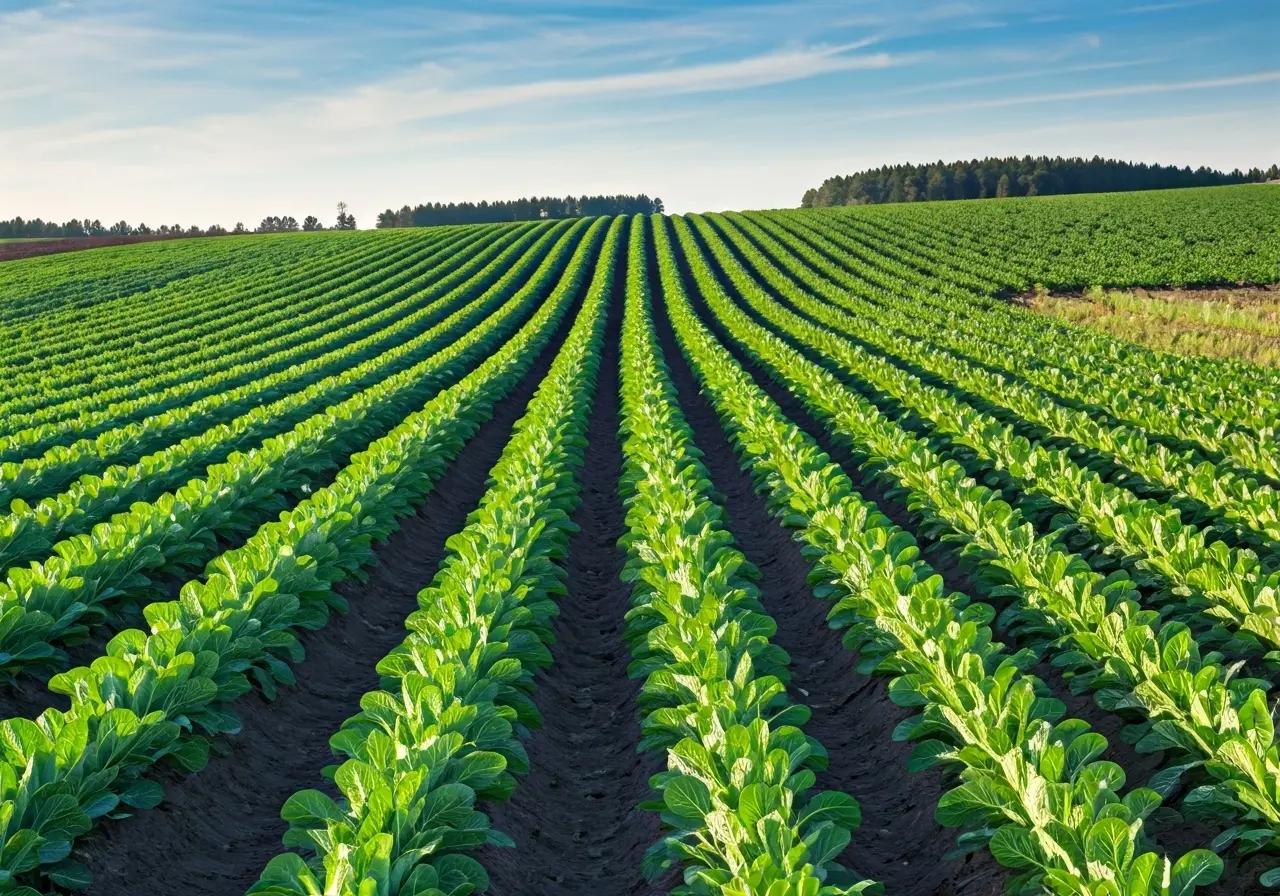
Cultivation design involves planning and organizing your garden or farm layout to optimize growth conditions for plants. It includes factors such as site selection, layout planning, and resource management.
Incorporating sustainable practices into your cultivation design can make a significant difference. This includes using organic methods and renewable resources, which not only benefit your plants but also the environment.
Understanding the unique needs of each plant species and tailoring your design to meet these needs can optimize plant growth and yield. For instance, some plants thrive with ample sunlight, while others prefer shade.
How Does Site Selection Impact Plant Health?
Choosing the right site is crucial for plant health. Consider soil type, sunlight exposure, and local climate to ensure your plants have the best possible growing conditions.
When picking a location, ensure sufficient access to water sources and protection from strong winds, which can be detrimental to both plant health and structure.
The topography of the land can also influence drainage and sunlight exposure. Sloped areas might drain too quickly, whereas flat terrains allow for better water retention.
Why is Soil Health Important?
Healthy soil is the foundation of successful cultivation. It provides essential nutrients, water, and support. Regular testing and amendments can help maintain optimal soil health.
Organic matter additions like compost and mulches improve soil texture and nutrient content, creating a more hospitable environment for plant roots.
Monitoring pH levels and implementing crop rotation can prevent nutrient depletion and promote balanced soil health.
What Role Does Irrigation Play?
Effective irrigation ensures that plants receive the right amount of water. Using systems like drip irrigation or rainwater collection can conserve water and improve efficiency.
Overhead sprinklers might be suitable for some crops but can lead to water wastage due to evaporation and wind dispersal, highlighting the importance of selecting the proper system.
Smart irrigation systems equipped with sensors can optimize water usage by delivering precise amounts based on real-time soil moisture data.
How Can Plant Spacing Influence Yield?
Proper plant spacing reduces competition for resources and improves air circulation, leading to healthier plants and higher yields.
Dense plantings can lead to higher pest and disease pressure, while overly spaced arrangements might not fully utilize available resources.
Tailoring spacing to specific crop requirements ensures each plant has sufficient room for root and canopy expansion, maximizing potential yield.
What is Companion Planting and Its Benefits?
Companion planting involves growing complementary plants together to enhance growth, deter pests, and improve yield. It is a symbiotic approach that leverages natural relationships.
Plants like marigolds and nasturtiums can repel harmful insects, providing a natural pest control method that reduces reliance on chemical pesticides.
Certain combinations, such as tomatoes with basil, not only improve flavor profiles but can also boost nutrient uptake and overall plant vigor.
How Does Monitoring and Adaptation Affect Growth?
Regular monitoring and adjusting your cultivation design as needed is crucial for ongoing plant health. This includes observing plant growth, pest levels, and environmental conditions to make informed decisions.
Utilizing technology such as sensors and drones allows for real-time data collection, facilitating quicker response to changing conditions.
Keeping a detailed log or journal of growth patterns and outcomes can offer valuable insights and help refine future cultivation strategies.
Maximizing Plant Health and Yield Through Thoughtful Design
Effective cultivation design is a powerful influence on plant health and yield. By carefully considering site selection, soil health, irrigation, spacing, companion planting, and monitoring practices, you can dramatically improve your agricultural outcomes. Remember, the key is to continually adapt and refine your design to meet the changing needs of your plants. For more customized tips and solutions, visit our homepage.