


Growing cannabis indoors requires a lot of careful planning and the right environmental conditions. One critical component that can make all the difference is a well-designed HVAC system. In this blog, we’ll explore how cannabis HVAC systems can enhance your indoor cultivation setup and optimize your growing environment for the best results.
1. Creating the Perfect Climate Balance
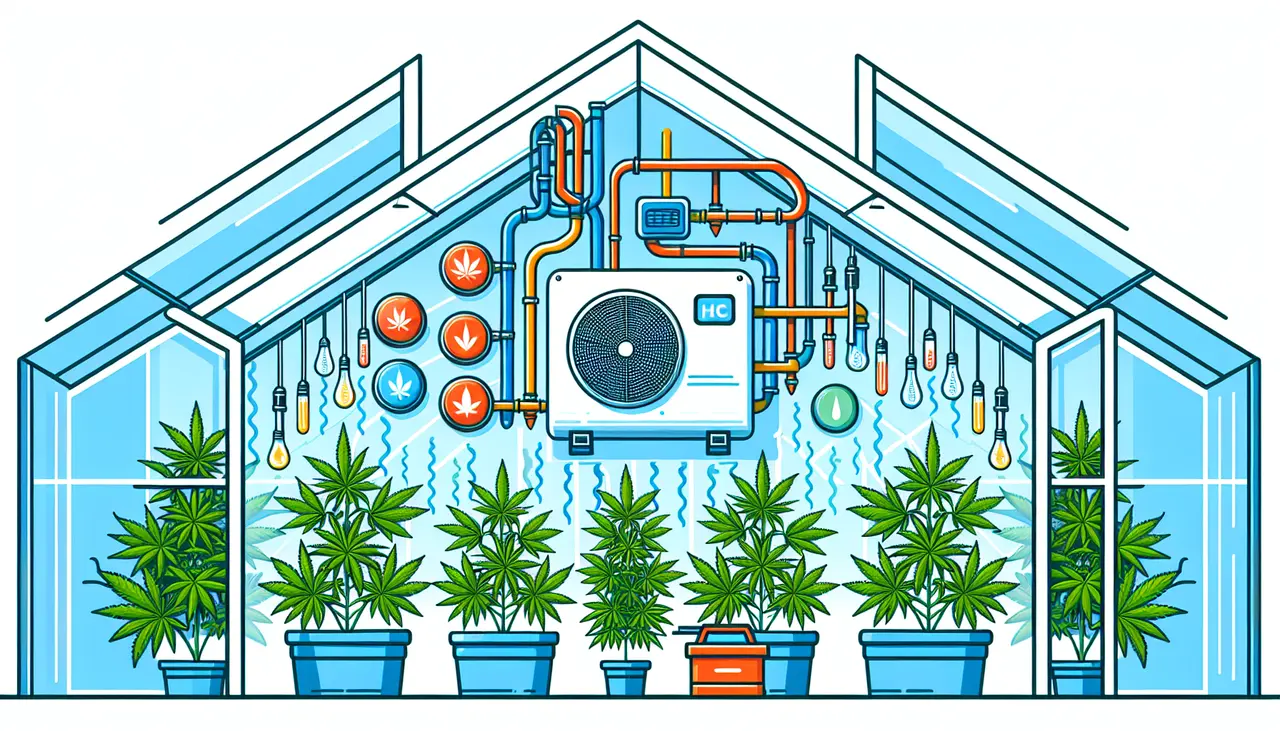
HVAC systems are critical in maintaining the ideal temperature and humidity levels, which are crucial for healthy cannabis growth. By adjusting climate variables precisely, these systems help prevent mold and other adverse conditions. A well-regulated climate ensures that the cannabis plants remain robust and less susceptible to diseases. The optimal temperature for cannabis typically ranges between 70-85°F during the day and slightly cooler at night. By keeping these temperatures consistent, the plants can focus more energy on growth and productivity. Additionally, maintaining an appropriate humidity level is essential. Too much moisture can result in mold, while too little can dry out the plants. Hence, HVAC systems offer a balanced environment that regulates these factors effectively, ensuring that your cannabis plants thrive in the best possible conditions.
2. Enhancing Air Circulation
Proper airflow is vital for plant health, as it strengthens stems and reduces pest infestations. HVAC systems aid in distributing air evenly throughout the cultivation space, ensuring every plant receives the benefits. Fresh, circulating air can prevent the buildup of carbon dioxide in the room, crucial for photosynthesis and overall plant health. Moreover, stagnant air can become a breeding ground for pathogens and mold, posing serious threats to your crops. By consistently circulating air, HVAC units prevent these problems, maintaining a healthy growing environment. In turn, this ensures cannabis plants develop robust structures, which can support more abundant flowering and yield. Furthermore, the consistent movement of air helps to cool the leaves, preventing heat stress, which can severely stunt plant growth and reduce crop quality.
Air circulation improvements can also enhance carbon dioxide management strategies. By pairing ventilation systems with CO2 generators, cultivators can create a highly enriched environment, especially beneficial for crops during peak growth phases. As plants consume the CO2 released into the air, the HVAC system circulates this vital gas effectively, ensuring each plant receives an ample supply. This setup not only boosts photosynthesis but can lead to faster growth rates and increased yields. Without proper air circulation, CO2 can become unevenly distributed, proving detrimental rather than beneficial to plant growth, highlighting the indispensable role of an efficiently designed HVAC system.
3. Improving Energy Efficiency
Modern HVAC technology is designed to be energy efficient. Implementing these systems can significantly cut down power costs while maintaining optimal conditions for plants, leading to a more sustainable operation. This becomes increasingly important as energy costs continue to rise and the need for sustainable cultivation practices becomes more pressing. Utilizing an energy-efficient HVAC system allows growers to redirect funds saved on utilities back into improving the cultivation process or expanding operations. Additionally, energy-efficient systems often utilize smart controls, allowing for automatic adjustments based on external temperatures or humidity levels. This adaptability ensures that energy consumption is carefully managed, reducing waste while providing the best environmental conditions for cannabis plants.
In addition to the economic benefits, improving energy efficiency supports the broader goal of reducing the environmental footprint associated with indoor cannabis cultivation. Many modern HVAC systems are designed with components that minimize carbon emissions, aligning with the growing demand for eco-friendly cultivation methods. By investing in efficient HVAC solutions, growers not only enhance their operations but also contribute positively to the global push for sustainability. Such technologies can also be integrated with renewable energy sources, like solar power, further reducing reliance on non-renewable resources and enhancing the overall green credentials of indoor cannabis cultivation endeavors.
4. Facilitating Effective CO2 Management
Carbon dioxide is essential for photosynthesis. HVAC systems help monitor and adjust CO2 levels to maximize the growth potential of cannabis plants, encouraging healthy and robust development. By ensuring an ample supply of CO2, photosynthesis is optimized, allowing plants to convert more light into energy and subsequently more biomass, leading to a higher yield. An HVAC system with CO2 monitoring capabilities enables cultivators to maintain ambient CO2 levels around 1200-1500 ppm, which is often ideal for cannabis plants. This precision offers a strategic advantage, as even slight variations in CO2 levels can impact plant health and productivity.
5. Reducing Odors
For those concerned about the distinctive smell of cannabis, HVAC systems can be equipped with filters to help manage and reduce odors, providing a more discreet growing operation. Carbon filters are commonly used in these systems to neutralize odors, ensuring that cultivation can occur in close proximity to populated areas without causing nuisance or legal complications. This feature is especially valuable in urban grow operations where maintaining discretion is paramount. By investing in a high-quality HVAC system with integrated odor control, growers can ensure their operations remain compliant with local regulations regarding odor management.
6. Boosting Plant Health and Yield
Consistent environmental control directly influences plant health, leading to better yields. By using an HVAC system, growers can create an environment that meets the specific needs of cannabis plants throughout their growth stages. This level of control allows for tailored conditions, from seedling to flowering, ensuring peak plant performance. With the ability to maintain precise temperature, humidity, and CO2 levels, plants are less stressed and can focus energy on growth and flower production. Moreover, robust health leads to fuller flowers and increased potency, crucial for maximizing the value of your harvest.
7. Ensuring Consistent Seasonal Performance
Regardless of external weather, HVAC systems maintain a stable internal environment, allowing for year-round cultivation without the worries of seasonal fluctuations affecting plant growth. This capability is invaluable in regions with extreme temperature swings, where outdoor cultivation is impossible outside of certain times of the year. By controlling all aspects of the indoor environment, HVAC systems replace Mother Nature’s role, providing predictable growth conditions. As climates shift and become less predictable, the consistent and controlled environment a well-designed HVAC system provides becomes even more vital, ensuring reliability and steady production no matter what the weather outside may be.
8. Enhancing Pest and Disease Control
By maintaining clean air and stable environments, HVAC systems help reduce the risk of pest infestations and diseases, crucial in avoiding crop loss and ensuring plant vitality. Regulation of temperature and humidity can deter pests like spider mites, which thrive in hot, dry conditions, or mold spores, which prefer overly moist environments. The air filters used in today’s HVAC systems act as barriers, capturing airborne pathogens and dust that may harbor harmful insects or fungi. Using HVAC to support pest and disease control not only protects your investment but also minimizes pesticide usage, promoting safer and potentially organic cultivation practices.
9. Providing Flexibility and Scalability
Advanced HVAC systems offer the flexibility to adjust to various cultivation scales, whether you’re expanding your operations or optimizing smaller spaces, ensuring you can adapt to your growing needs. This flexibility is particularly useful for commercial growers who may need to accommodate additional strains with different environmental requirements or for hobbyists scaling up their operations. The scalability ensures that an HVAC system can grow alongside your business, protecting your investment over time. Such systems often come with modular designs that allow additional units or components to be easily integrated, offering unmatched adaptability in an ever-growing industry.
10. Optimizing Water Usage
Humidity control isn’t just about air quality; it’s also about water conservation. Efficient HVAC systems help manage water usage effectively, reducing waste and promoting sustainable cultivation practices. Through precise humidity regulation, these systems prevent excess water vapor from saturating the air, indirectly controlling the amount of water that needs to be used for irrigation. In areas where water is a precious resource, this efficiency not only minimizes costs but also aligns with broader goals of sustainable water usage. By balancing humidity and temperature, HVAC systems reduce the need for frequent watering cycles, thereby cutting down on resource consumption and promoting more responsible environmental practices.
11. Providing Intelligent Monitoring
With the integration of smart technology, modern HVAC systems offer real-time monitoring and alerts, enabling growers to make quick, informed decisions to maintain ideal growing conditions. Sensors embedded within these systems continuously track environmental parameters, providing instant feedback through user-friendly interfaces or smartphone apps. This capability not only enhances operational efficiency but allows for rapid response to any changes that could negatively impact plant health, such as sudden fluctuations in temperature or humidity. Automation and smart systems reduce the risk of human error, offering peace of mind for growers striving for high quality and consistency in their yields.
12. Supporting Compliance and Standards
Regulatory compliance is crucial in cannabis cultivation. HVAC systems ensure that environmental conditions meet industry standards and legal requirements, making operations more compliant and secure. By automating climate control and maintaining records of environmental parameters, these systems assist growers in demonstrating their adherence to regulatory guidelines, which is crucial for maintaining licenses and expanding business opportunities. Furthermore, many HVAC systems are specifically designed with features that meet energy consumption and environmental standards set forth by government bodies, aiding operators in maintaining compliance effortlessly. As regulations evolve, having a system that can adapt to new requirements provides a logistical advantage and maintains business integrity.