


Controlled Environmental Agriculture (CEA) is a fascinating farming technique that allows for precise control over the environment in which plants grow. One of the key strategies within CEA is crop steering, which involves manipulating plant growth by adjusting various environmental factors. In this blog, we’ll explore what crop steering is and how it can benefit modern agriculture.
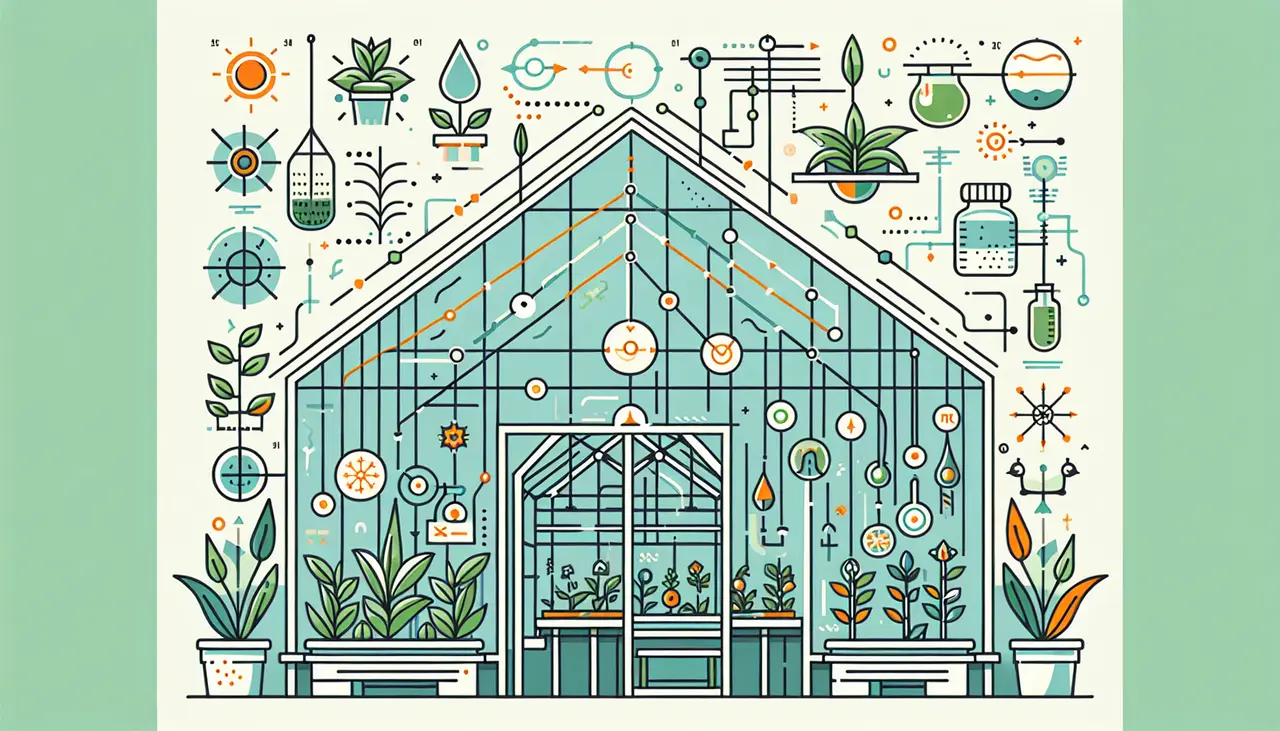
Understanding Crop Steering
Crop steering refers to the practice of guiding plant growth by manipulating environmental conditions such as light, temperature, humidity, and nutrient levels. The goal is to influence the plant’s energy towards either vegetative or generative growth, depending on the desired outcome.
This technique essentially allows growers to ‘steer’ the growth direction of plants. For instance, by altering the light spectrum and photoperiod, farmers can promote flowering or fruiting in plants at specific times. This method enhances control over the growth cycle, allowing for the synchronization of plant development with market demands.
Crop steering is more than just a set of techniques; it’s a holistic approach. By understanding the intricate needs of the plants, growers can tailor their strategies to maximize plant health and productivity. It’s a bit like being a plant detective—deciphering signals and adjusting tactics to keep your crops thriving.
Key Environmental Variables in Crop Steering
The main variables used in crop steering include light, temperature, irrigation, and nutrient supply. By carefully adjusting these factors, growers can control growth patterns and enhance crop yield and quality.
Let’s delve deeper into these variables. Light management is crucial, as different plants require varying light intensities and wavelengths for optimal growth. Advances in LED technology have allowed growers to fine-tune light exposure with precision, significantly impacting plant morphology and rate of photosynthesis.
Temperature control is another critical aspect. Maintaining optimal temperatures can help prevent plant stress and facilitate desired growth stages. Technologies like climate-controlled greenhouses allow growers to maintain the perfect conditions year-round, regardless of external weather patterns.
Benefits of Crop Steering
Crop steering enables optimized plant growth and resource use. It leads to increased yields, better quality produce, and more efficient use of inputs like water and nutrients, which can result in cost savings and sustainable agriculture practices.
One of the greatest benefits is its influence on sustainability. Crop steering reduces the need for chemical interventions by promoting natural disease resistance through healthier plants. Furthermore, it improves water efficiency, a critical factor as agriculture moves towards more sustainable practices.
The economic implications are equally noteworthy. With crop steering, farmers can schedule harvests to align with market demand, potentially increasing profit margins. Additionally, by producing higher quality crops with less waste, growers can achieve better payoffs at sale.
Implementing Crop Steering Strategies
To implement crop steering, growers need to monitor environmental variables closely and adjust them according to the developmental stage of the plants. Technologies such as sensors and automation systems can greatly aid in this process by providing precise control over the growing environment.
For successful implementation, knowledge is power. Understanding the life cycle of plants and how they respond to environmental changes is crucial. Many growers utilize advanced software tools that use data analytics to predict plant needs, enabling real-time adjustments.
It’s also important to start small and scale up. New growers might begin with a few variables before gradually incorporating more complex strategies. This approach allows for adjustments and learning along the way, minimizing risks while maximizing learning opportunities.
Challenges and Considerations
While crop steering offers numerous advantages, it also presents challenges like the need for detailed knowledge of plant biology and the initial investment in technology. However, with the right expertise and equipment, these challenges can be effectively managed.
Transitioning to crop steering might seem daunting due to the steep learning curve associated with mastering the necessary technological tools. Ongoing training and professional development, possibly through workshops and online courses, are vital for staying abreast of the latest innovations.
Financial investment in technology and infrastructure can be significant. However, many growers find that the initial costs are quickly recouped through increased efficiency and production. Collaborating with agricultural tech companies can offer support during this transition, providing specific solutions tailored to individual needs.
Harness the Power of Crop Steering for Optimal Growth
In essence, crop steering is a vital technique within Controlled Environmental Agriculture that empowers growers to maximize plant potential. By understanding and manipulating environmental factors, farmers can enhance growth, increase yields, and achieve more consistent results. As the demand for efficient and sustainable agricultural practices grows, mastering crop steering will become an invaluable skill for modern growers. For additional resources and support on crop steering, visit our home page.