


Indoor cultivation has become an increasingly popular endeavor for both hobbyists and professional growers alike. From the control over environmental conditions to the increased potential for maximizing yields, indoor gardening offers numerous advantages. Here, we’ll dive into ten essential solutions that can highly influence the success of your indoor cultivation, ensuring you achieve the best possible yield from your efforts.
1. Optimal Lighting for Growth
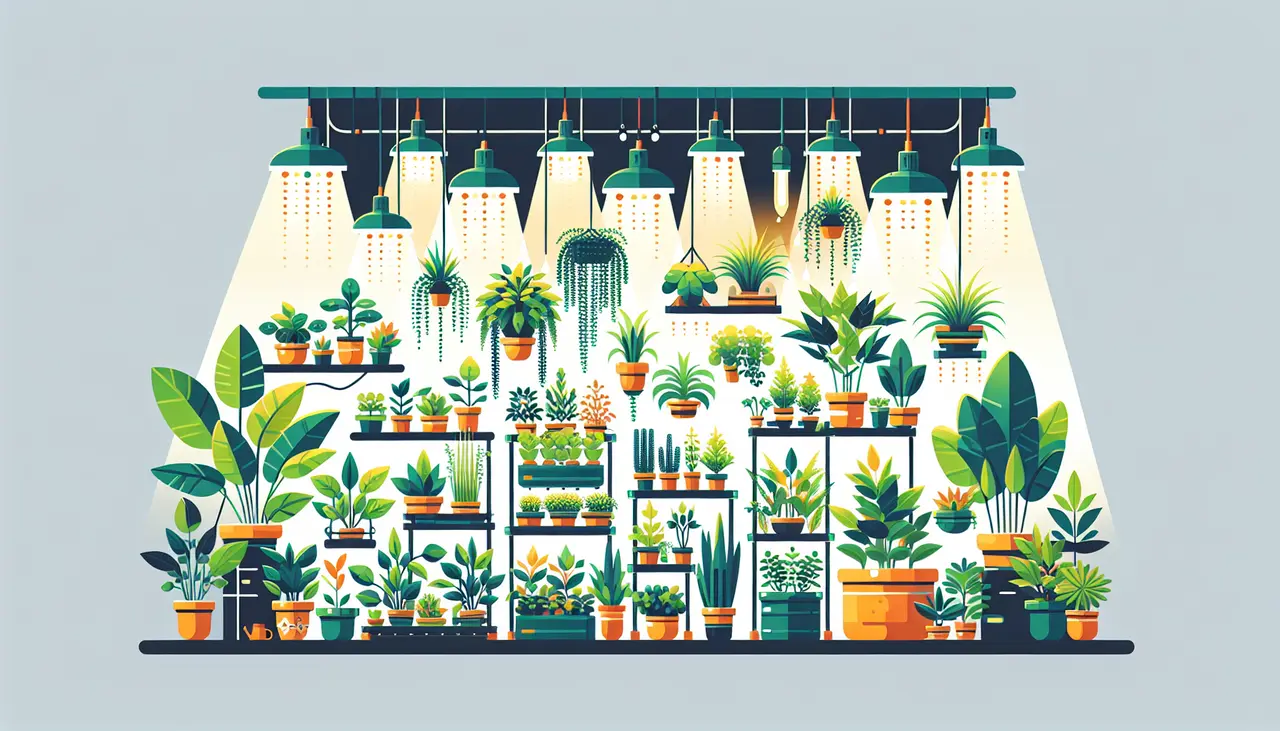
Lighting is one of the most critical components of indoor cultivation. Choosing the right type of lights, such as LEDs or fluorescents, ensures that your plants receive the right spectrum and intensity of light for photosynthesis and growth.
LED lighting has emerged as a popular choice due to its energy efficiency and customizable spectral output. This allows growers to tailor the lighting conditions to the specific needs of their plants. By providing a consistent photoperiod—mimicking natural daylight—you promote robust plant development. Furthermore, integrating reflective surfaces in your grow space can maximize light distribution and minimize wastage, ensuring every leaf benefits from the available light.
2. Effective Air Circulation
Proper air circulation is vital for maintaining a balanced environment, preventing mold, and strengthening plant structures. Using fans and ventilation systems helps in exchanging air and keeping humidity levels in check.
To enhance air movement, position oscillating fans strategically around your growth space. This setup encourages uniform air distribution, reducing the risk of stagnant air pockets, which can lead to pest infestations or mold. In enclosed systems, carbon filters can also be employed not only to ensure better air quality but to minimize odors—an essential consideration for urban or indoor growers.
3. Nutrient Management
Understanding the nutritional needs of your plants and supplying them with the right mix of nutrients is essential for healthy growth. Regular monitoring and adjusting of nutrient solutions can prevent deficiencies and toxicities.
For effective nutrient delivery, consider using a hydroponic system, which provides precise control over nutrient availability. This mode of cultivation not only supports faster plant growth but also aids in resource efficiency by reducing water and nutrient wastage. Keeping a detailed log of your nutrient dosages and plant responses will guide future adjustments and lead to more successful harvest cycles.
4. Ensuring Adequate Watering
Watering practices in indoor cultivation should be precise to avoid issues like root rot or dehydration. Utilizing automated watering systems or schedules can help maintain consistent moisture levels.
Drip irrigation systems are particularly effective in providing steady water supply without over-saturating the growing media. These systems can be easily adjusted to the specific water requirements of different plant species. In combination with moisture sensors, drip irrigation ensures plants receive optimal hydration, enhancing their growth and resilience.
5. Temperature Control Strategies
Maintaining optimal temperatures is crucial for plant metabolism and growth. Implementing heating and cooling solutions helps in sustaining the ideal temperature ranges for different growth stages.
For precise temperature regulation, consider utilizing a combination of thermostats and climate-control systems. These tools enable automated adjustments in response to changing environmental conditions outside the growing space. Investing in high-quality insulation for your grow area can further enhance temperature stability, reducing the energy costs associated with heating and cooling.
6. Pest and Disease Management
Prevention is key when it comes to managing pests and diseases indoors. Integrating natural predators and using organic treatments can effectively manage pest populations and ensure plant health.
An integrated pest management approach, incorporating cultural, physical, and biological controls, minimizes reliance on chemical treatments, promoting sustainable cultivation. Monitoring plants regularly for signs of pest activities or disease symptoms allows for timely interventions, preventing infestations from compromising plant health.
7. Soil and Growing Medium Choices
The choice of soil or growing medium directly impacts plant health and yields. Choosing the right medium, whether it’s soil, coco coir, or hydroponic systems, ensures proper root support and nutrient uptake.
When selecting a growing medium, consider the specific needs of your plants. Coco coir is increasingly popular due to its excellent water-retention properties and ability to provide balanced nutrient uptake. Hydroponic systems offer another viable alternative, allowing for precise control over nutrient availability and environmental conditions, often resulting in increased growth rates and yields.
8. Maximizing Space with Vertical Farming
Utilizing vertical space allows for more plants per square foot, optimizing yield potential. Techniques like vertical racks and stacking systems can be employed to make the most of limited space.
Vertical farming is not only about maximizing space but also about optimizing resource use. By stacking plants vertically, you can increase light exposure and airflow while minimizing the footprint of your growing area. This method is particularly beneficial in urban environments where space is limited, allowing you to achieve substantial yield improvements without needing additional ground space.
9. Controlling Humidity Levels
Humidity control is essential in preventing diseases like powdery mildew. Using dehumidifiers or humidifiers, depending on the climate, can help maintain ideal humidity levels for plant health.
Achieving optimal humidity involves a balance between sufficient moisture and preventing excess that leads to mold growth. Implementing a hygrometer aids in monitoring humidity levels closely, allowing for timely adjustments. Adding humidity trays, plants known for humidity regulation, or even adjusting watering schedules can all contribute to maintaining a balanced environment.
10. Monitoring and Automation Tools
Implementing monitoring systems and automation tools helps in managing all aspects of indoor cultivation efficiently. These tools provide real-time data and can automate processes such as lighting schedules and environmental adjustments.
By employing smart gardening technology, growers can receive real-time alerts on changes in their grow environment, from temperature spikes to unexpected deviations in humidity. Automation tools reduce the margin for error, leading to consistent plant care and a reduction in labor demands, ensuring your indoor cultivation efforts are as efficient as possible.