


Indoor farming has become a significant part of modern agriculture, offering new ways to grow crops efficiently. In this FAQ, we will explore how these innovative solutions affect crop yields.
What Are Indoor Farming Solutions?
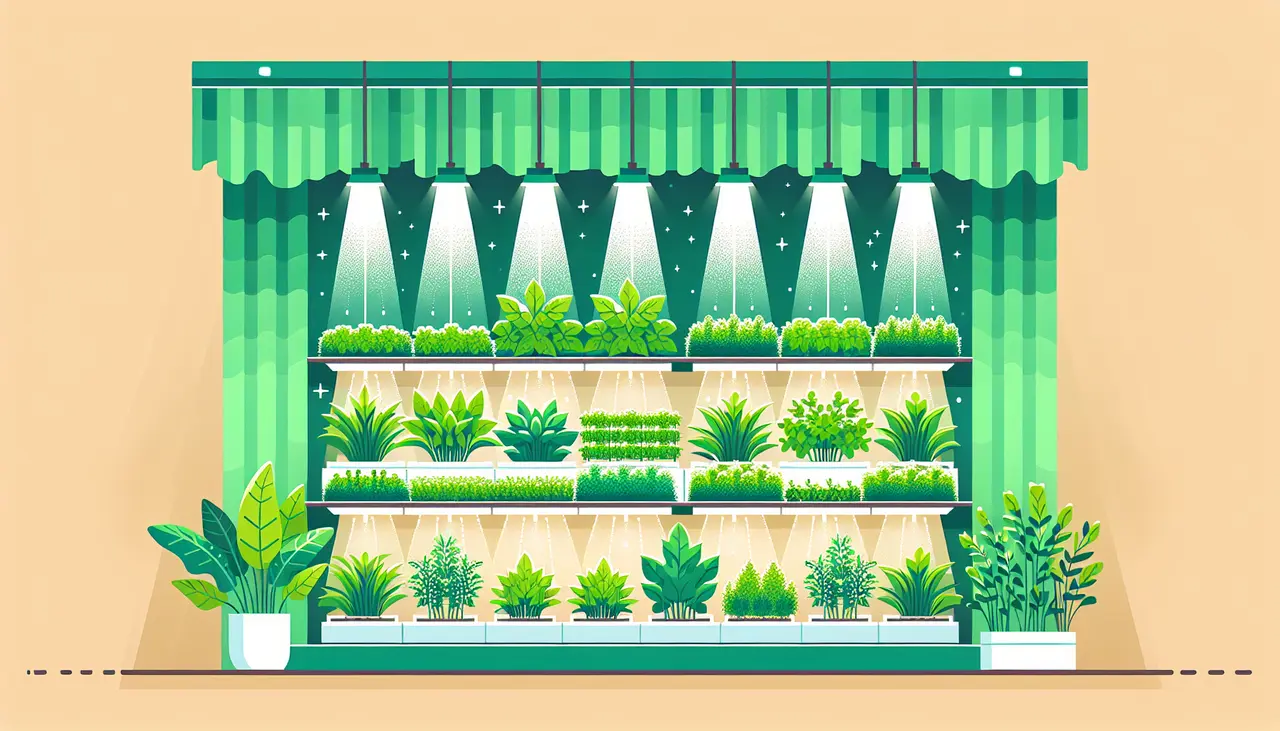
Indoor farming solutions refer to techniques and technologies used to grow crops in enclosed environments, such as greenhouses and vertical farms. These solutions optimize growing conditions using controlled environments.
These solutions range from simple greenhouse setups to more advanced vertical farming systems. By growing crops indoors, farmers can avoid many of the issues faced with outdoor farming, such as pests and unpredictable weather conditions. This controlled approach ensures a reliable supply of produce year-round.
How Do They Optimize Growing Conditions?
Indoor farming solutions allow precise control over environmental factors like temperature, humidity, and light. This controlled environment promotes faster growth and higher yield quality than traditional farming methods.
For instance, LED lighting technologies are used to simulate natural sunlight, providing plants with the energy they need to grow efficiently. By adjusting the light spectrum and intensity, indoor farmers can significantly increase the growth rate and improve crop health.
In addition to lighting, indoor farming can integrate advanced climate control systems. These systems maintain optimal temperature and humidity levels, creating an ideal environment for plant growth throughout all seasons.
What Role Does Technology Play?
Technology is crucial in indoor farming. Automated systems and sensors monitor plant conditions, adapt to changes, and ensure optimal nutrient delivery, which results in healthier plants and increased yields.
The integration of AI and machine learning in indoor farming allows for predictive maintenance and crop management. AI tools can analyze data patterns to predict potential issues before they arise, ensuring continuous and efficient production.
Moreover, hydroponic systems can precisely deliver nutrients to plants, optimizing growth and reducing waste. This automation often results in better resource management and significantly improved yield outcomes.
Virtual reality (VR) aids in farm planning, helping growers visualize layouts and improve space utilization. This straightforward planning often leads to increased productivity in vertical farming systems.
How Do These Solutions Conserve Resources?
Indoor farming solutions use less water and land compared to traditional methods. They recycle resources effectively and minimize waste, contributing to better environmental sustainability while boosting crop production.
Hydroponic systems are particularly efficient in water usage, using up to 90% less water than conventional agriculture. The closed-loop systems recycle water, reducing the need for fresh water input and diminishing environmental impact.
By growing vertically, indoor farms can maximize the use of space, allowing for more production on the same footprint of land. This vertical approach not only saves space but also aligns with sustainable urban agriculture initiatives.
Indoor farming solutions align with sustainability goals by lowering carbon footprints. Since they require less transportation and shorter supply chains, it contributes significantly to reducing greenhouse gas emissions.
In Summary
Indoor farming solutions can substantially enhance crop yields by providing optimal growing conditions and efficient resource utilization. As we move towards sustainable agriculture, these methods could become pivotal in feeding the growing global population. For more information on how you can implement these solutions, visit our homepage.