


Designing an efficient irrigation system can be a game-changer for your garden or farm. However, even the best intentions can lead to common mistakes if you’re not careful. Let’s explore these pitfalls and discover how to avoid them for optimum results.
1. Overlooking Proper Water Pressure
Understanding water pressure is crucial in irrigation design. Too high or too low can lead to inefficient watering. Ensure your system is tailored to accommodate the specific water pressure of your landscape. To do this, start by measuring your water pressure with a reliable gauge. If the pressure is too high, consider installing a pressure regulator. This simple addition can make a significant difference, promoting optimal water distribution and preventing damage to pipes. On the other hand, if the pressure is too low, you may need to adjust the system layout or add a booster pump to enhance the flow. By aligning your setup with the natural pressure, you ensure consistent and adequate irrigation.
Moreover, water pressure fluctuates throughout the day, especially in residential areas where multiple users affect the supply. To mitigate these effects, incorporate pressure-specific components in your design. These components adjust automatically, compensating for pressure changes and maintaining a steady flow. This approach not only saves water but also extends the lifespan of your system, reducing long-term maintenance costs and fostering a more sustainable irrigation practice.
2. Ignoring Soil Type
Different soils have unique watering needs. Neglecting this can cause over or under-watering, impacting plant health. Tailor your irrigation system to the soil type for efficient water use. For instance, clay soils retain water longer, requiring less frequent watering but more time to saturate. In contrast, sandy soils drain quickly and benefit from shorter, more frequent watering intervals. Adjusting your system based on these characteristics can prevent water wastage and ensure that plants receive the exact amount of hydration they need to thrive.
A detailed soil analysis helps determine the prevalent soil texture and its water retention properties. With this knowledge, you can set specific irrigation schedules tailored to your soil’s needs. Consider using soil probes or moisture meters to frequently check the hydration levels. These tools provide real-time data, enabling you to adapt your watering schedules dynamically and prevent issues like root rot or drought stress, keeping your plants healthy and flourishing.
3. Improper Sprinkler Placement
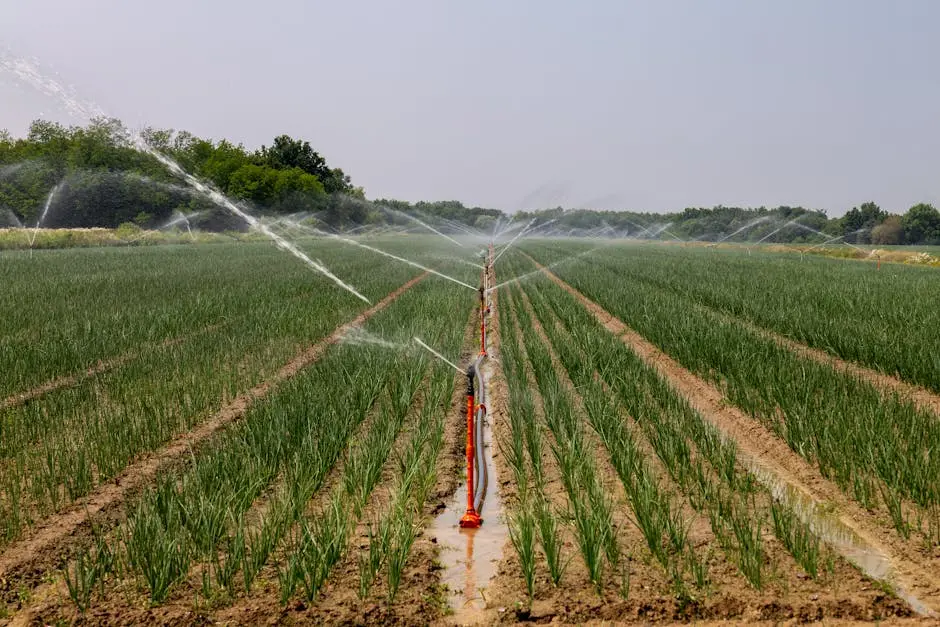
Sprinklers placed incorrectly can lead to dry spots or overwatered areas. Plan your sprinkler layout carefully to ensure even coverage across all areas. Begin by sketching a map of your garden or landscape, marking essential features and high-traffic areas. This map is your blueprint for deciding where each sprinkler should be positioned to maximize coverage without waste. Overlapping zones slightly is an excellent practice, as this minimizes the likelihood of dry patches and ensures that every inch of your area gets the necessary water.
Consider the type of plants and their specific watering needs when placing sprinklers. For instance, taller plants might obstruct the spray from reaching neighboring flowers or grass. Utilizing adjustable nozzles can help in directing water precisely where it’s needed. Additionally, varying the spray pattern between fixed, rotating, or oscillating can account for different plant heights and densities. With meticulous planning and strategic placement, you can achieve a balanced irrigation system that nurtures all your plants effectively.
4. Skipping Routine Maintenance
Regular maintenance can prevent system failures. Check for leaks, clogging, and wear to keep your system running smoothly and efficiently. A periodic inspection routine, ideally at the beginning and end of each season, can catch problems before they worsen. Look for signs of physical damage, like cracked pipes or clogged nozzles. These issues often start small but can lead to significant water loss and system inefficiency if ignored.
Replacing worn-out parts promptly not only maintains optimal performance but also enhances the longevity of your entire system. Consider investing in smart technology like soil moisture sensors that integrate with your system for automated alerts. These sensors provide you with timely information on malfunctions or necessary adjustments, reducing manual checks and potential oversights. By staying on top of your maintenance, you safeguard the robust operation of your irrigation system, ensuring its durability and reliability through varied weather conditions.
5. Neglecting System Scalability
As your landscape changes, your irrigation needs may grow. Design your system with scalability in mind to accommodate future expansions without hassle. Initially, this means choosing components that allow for easy integration or extension. Modular systems are particularly beneficial as they provide the flexibility to add new zones or increase coverage without a complete overhaul. Having this vision during the initial design phase saves considerable time and resources when adjustments become necessary.
Additionally, incorporating adaptable systems ensures you can seamlessly integrate emerging technologies over time. For example, upgrading to more efficient, smart irrigation controllers can optimize existing operations with minimal disruption. These controllers assess weather data, plant types, and soil moisture levels, adjusting schedules and water levels independently. Embracing scalability not only future-proofs your investment but also aligns with eco-friendly practices, as it supports sustainable water use while adapting to your evolving landscape needs.
6. Lack of Proper Drainage Planning
Ignoring drainage can lead to waterlogged areas and root damage. Incorporate a drainage system that allows excess water to escape efficiently. Assess the natural topography of your area to plan an effective drainage layout. Sloped areas can direct water away naturally, while flat landscapes might need added infrastructures like French drains or swales. These elements facilitate efficient water movement, preventing stagnation, which can breed plant diseases and attract pests.
Installing gravel beds or perforated pipes can further enhance drainage by redirecting water flow beneath the surface. These measures ensure roots aren’t submerged, allowing them to access both oxygen and moisture, crucial for healthy growth. In regions with heavy rainfall, a well-planned drainage network is vital for protecting your landscape against erosion and flood damage. By prioritizing drainage, you maintain the health and aesthetics of your garden, contributing to a harmonious and productive outdoor environment.
7. Failing to Optimize Scheduling
Watering at the wrong time of day can lead to water waste and poor plant absorption. Set a schedule that maximizes water usage and aligns with plant needs. Early morning is generally the best time to water, as it reduces evaporation rates and allows plants to absorb moisture before the midday heat. Conversely, avoid nighttime watering; it can lead to prolonged moisture on foliage, increasing the risk of fungal infections.
Utilize advanced sprinklers equipped with timers to automate watering precisely according to your schedule. Smart systems can make dynamic adjustments, relying on sensor feedback or weather forecasts to optimize irrigation. Such technology ensures that even during unexpected weather shifts, like sudden rain or drought, your plants receive the care they need without wastage. This level of scheduling refinement not only conserves water but also supports plant resilience and vitality, contributing to a robust and flourishing garden throughout the growing season.