


Indoor farming is an innovative approach to cultivating plants in a controlled environment. Whether you’re trying to grow herbs in a small apartment or produce on a larger scale, maximizing space efficiency is crucial. Here, we explore a range of solutions that can help you make the most out of your available space while optimizing your harvest.
1. Utilizing Vertical Gardens
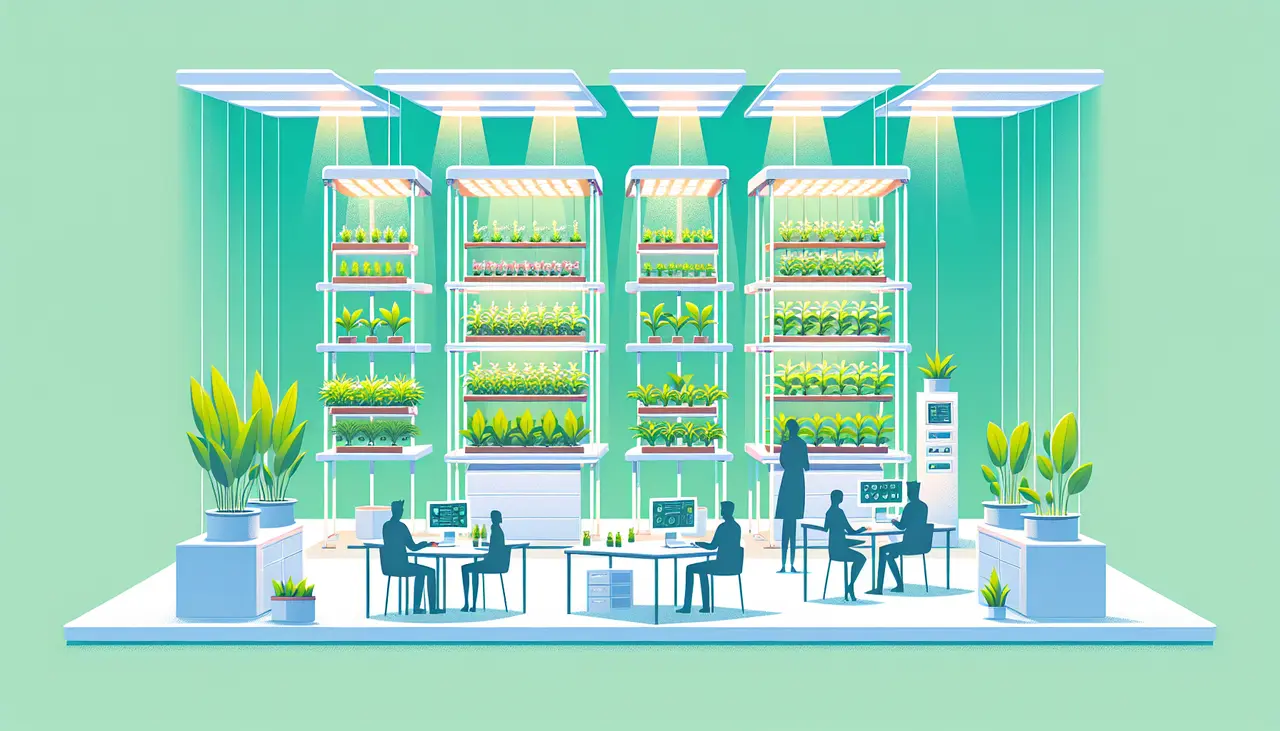
Vertical gardens allow you to use taller spaces by stacking plants upwards, rather than spreading out, maximizing limited areas in your home. This innovative approach not only saves space but also creates a stunning visual display. They can be set up using frames, shelves, or even hanging structures, giving you the flexibility to design your green oasis as imaginatively as you want. Additionally, vertical gardens are perfect for urban environments where horizontal space is a premium. It’s a method that’s not only efficient but also environmentally friendly, as you can easily irrigate all the plants without excess water waste.
For those interested in sustainability, vertical gardens can be complemented with a drip irrigation system that conserves water while ensuring your plants receive the right amount of hydration. As vertical gardens become more popular, the possibilities for customization expand, offering endless possibilities to create a dream vertical space tailored to your aesthetic and functional needs.
2. Hydroponic Systems for Efficient Growth
Hydroponics eliminate the need for soil, using nutrient-rich water solutions, and can fit into a variety of spaces, enhancing growth speed and yield. This method is especially beneficial for those looking to cultivate plant life in nontraditional settings like balconies and small rooms. Hydroponic systems can also reduce the risk of pest infestations and diseases often associated with soil-based farming. Moreover, the ability to monitor and adjust nutrient levels provides plants with an optimized environment for growth, often resulting in higher yields compared to traditional farming techniques.
Setting up a hydroponic system at home is more accessible than ever, with numerous kits available that cater to various experience levels. Whether you’re a beginner or a seasoned gardener, hydroponic kits provide you with all the essential components to get started. Furthermore, the controlled environment of a hydroponic system allows for year-round cultivation, meaning you can always have fresh produce within arm’s reach, regardless of external climate conditions.
3. Aeroponics for Advanced Gardening
Aeroponics suspends plants in the air, using a fine mist of nutrients to feed them, providing a futuristic solution to large-scale efficiency in small areas. By misting roots with water and nutrients, aeroponics not only saves space but also maximizes nutrient uptake by plant roots, leading to healthier growth. This technique stands out for its remarkable efficiency and minimal use of water compared to traditional soil methods.
Moreover, aeroponics can encourage faster growth rates due to increased oxygen exposure to the plant roots. If you’re intrigued by cutting-edge technology in gardening, explore how aeroponic systems can revolutionize your indoor farming experience. Because plants grown in aeroponics need less space and water, they become a sustainable alternative for future farming endeavors, especially in areas facing water scarcity or rapid urbanization.
4. Compact Herb Kits for Small Spaces
These kits are perfect for growing your favorite herbs in kitchens or windowsills without compromising on space or sunlight. Compact herb kits are tailor-made for individuals living in apartments or homes where space is minimal. They are convenient, pre-packaged solutions that include everything you need to grow herbs like basil, mint, or cilantro right where you cook, making it easier than ever to enjoy fresh ingredients.
5. Modular Plant Shelves
Modular plant shelves can be customized to fit any space, allowing flexibility to expand or rearrange as your garden grows. With various options available, these shelves can be easily adjusted or stacked, providing a tailored solution for your indoor garden needs. Modular shelves support a range of plant species, from flowers to vegetables, allowing you to diversify your crop with ease.
The versatility offered by modular systems means you can gradually scale your indoor farming efforts, adapting the layout as your plant collection evolves. For those who love experimenting with interior design, these shelves not only offer practicality but also act as stylish décor elements, blending seamlessly into any room’s aesthetics.
6. Smart Indoor Greenhouses
Smart greenhouses combine technology with indoor farming, offering automated light and climate controls for optimal growth. Using sensors, these greenhouses adjust to the plants’ needs in real time, ensuring a stable environment where they thrive. This smart technology allows hobbyists and commercial growers alike to monitor and manage their crops remotely, providing peace of mind that their plants are always in optimal conditions.
Implementing a smart greenhouse can improve crop yields and reduce energy consumption, aligning with the goals of sustainability-minded growers. These systems make use of the Internet of Things (IoT), enabling integration with other smart home devices for a seamless gardening experience that can be enjoyed all year round.
7. Rotating Plant Racks
These racks give plants equal access to light by rotating, ensuring consistent growth without the need for excessive lighting fixtures. The rotating mechanism mimics natural sunlight patterns, which helps even the most light-demanding plants flourish. This innovation reduces the overall number of lights required, thus lowering energy costs and the environmental footprint of your indoor agriculture.
Additionally, rotating racks prevent the occurrence of growth shadows, which might hinder plant health. Their compact design is perfect for fitting into narrower spaces or corners. With a rotating rack system, even those living in urban areas with suboptimal lighting can achieve healthy, vibrant plant life indoors.
8. Stacked Aquaponics Systems
Integrating fish and plants, aquaponics is a sustainable way to grow food indoors, utilizing vertical space for dual-purpose farming. The fish waste provides an organic nutrient source for the plants, while the plants naturally filter the water for the fish. This symbiotic relationship creates a self-sustaining ecosystem that is highly efficient and environmentally friendly.
Stacked aquaponics systems embrace this natural harmony while maximizing available space, making them an excellent choice for urban gardeners and sustainability proponents alike. With the growing interest in organic and eco-friendly practices, stacked aquaponics systems offer an innovative solution to home food production that minimizes waste and encourages biodiversity.