


Ensuring sustainability in a cannabis facility is not just about being environmentally friendly. It’s about creating an efficient, cost-effective, and socially responsible operation that benefits your business and the planet. Whether you’re new to the industry or looking to improve your practices, this guide will walk you through key steps to achieve sustainability in your cannabis facility.
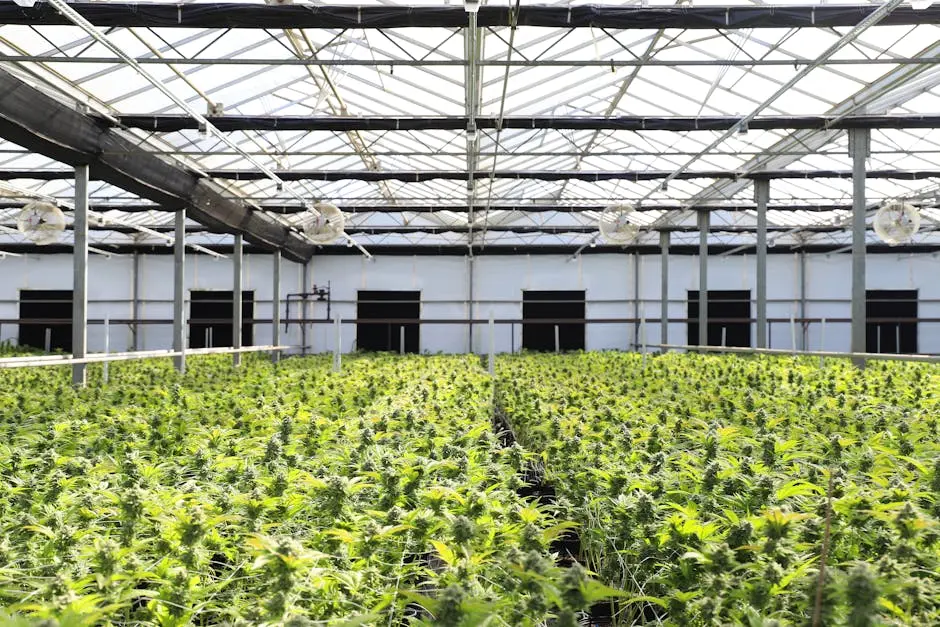
Invest in Energy-Efficient Systems
Switch to LED lighting and utilize energy-efficient HVAC systems to minimize energy consumption and reduce costs. Replacing traditional lighting with LEDs not only saves energy but also provides a more consistent light quality, which is crucial for high-yield plant production. Consider integrating automated systems that optimize energy use based on real-time data, ensuring your facility operates at peak efficiency.
Energy-efficient HVAC systems come with advanced sensors that adjust heating and cooling based on the specific needs of the plants at different growth stages. Furthermore, smart technology can monitor and manage the energy use throughout your facility, providing insights into usage patterns and helping to identify areas for improvement. By investing in smart energy management systems, you can further refine energy use and reduce operational costs.
Implement Sustainable Cultivation Practices
Use organic nutrients and integrated pest management to reduce chemical usage and promote healthier plant growth. Organic nutrients not only contribute to sustainability but also support the natural balance of the ecosystem in which you are cultivating your plants. By relying on natural fertilizers, you are enhancing the soil food web and fostering an environment where beneficial microorganisms can thrive.
Integrated pest management (IPM) is a holistic approach that combines multiple strategies to control pests, such as biological controls using beneficial insects or pathogens. This method reduces the reliance on synthetic pesticides, which can harm beneficial insects and lead to pest resistance over time. IPM practices align with sustainable goals by fostering a balanced ecosystem and promoting long-term soil health.
Manage Waste Responsibly
Develop a waste management plan that includes composting plant material and recycling materials whenever possible. By setting up composting bins, you can transform plant waste into nutrient-rich compost that enhances soil fertility. Composting within your facility not only reduces the amount of waste sent to landfills but also closes the loop by returning valuable nutrients back to the cultivation process.
In addition to composting, explore partnerships with local recycling programs to ensure that plastic, paper, and other materials are properly recycled. Evaluate all materials coming into your facility and prioritize those that can be reused or recycled. Consider creating a guide for staff to follow, ensuring everyone understands the importance of proper waste segregation and the role it plays in sustainability efforts.
Focus on Water Conservation
Implement water-saving techniques such as drip irrigation and rainwater harvesting to reduce water usage. Drip irrigation systems deliver water directly to the plant roots, minimizing evaporation and runoff, and allowing for precise control over water application. This method not only conserves water but also enhances plant health by providing a consistent moisture level.
Rainwater harvesting is an effective way to make use of natural precipitation. Installing collection systems enables you to store rainwater that can be used during dry spells, reducing your dependency on municipal water supplies. This practice is not only environmentally responsible but can also significantly cut water costs over time.
Explore Sustainable Packaging Solutions
Choose eco-friendly packaging materials that are recyclable or biodegradable to minimize environmental impact. Opt for packaging solutions that use materials like recycled paper or plant-based plastics that break down more easily than traditional plastic options. This choice supports a circular economy, where materials are continuously reused and recycled, thus reducing the strain on natural resources.
Consider working with suppliers who prioritize sustainability in their production processes. By selecting vendors who share your commitment to the environment, you reinforce a supply chain that encourages sustainable practices at every step. Moreover, clearer labeling of recyclable materials on packaging can guide consumers in making environmentally friendly disposal choices, further extending the impact of your sustainability initiatives.
Creating a Sustainable Future for Your Cannabis Facility
Sustainability in your cannabis facility is achievable through conscious effort and consideration of environmental, economic, and social impacts. By implementing energy-efficient systems, utilizing sustainable cultivation practices, managing waste responsibly, and focusing on water conservation and packaging solutions, you can create a facility that not only thrives but also contributes positively to the environment and the community.