


Designing a cannabis cultivation setup can be a complex task, but it is crucial to ensure a productive and healthy growing environment. Whether you’re a seasoned cultivator or a novice, understanding the key factors in cannabis cultivation design will help you optimize your operation for better yields and quality. Let’s break it down into digestible and manageable steps, so you can cultivate success with confidence.
Defining Your Goals and Scale
The first step in designing your cannabis cultivation is to define your goals. Are you growing for personal use or commercial purposes? The scale of your operation will determine other design elements, such as space requirements and equipment needed.
If your aim is to cultivate for commercial scale, consider factors like distribution channels and regulatory compliance. For personal growing, you might prioritize different aspects, like ease of use and portability. Clarity in your goals will make it easier to tailor your cultivation design accordingly.
Moreover, defining your objectives will help you align your resources effectively. Knowing your desired output will aid in choosing appropriate cultivation techniques. For instance, soil and hydroponic systems each offer different benefits, influencing aspects like cost and plant growth rate.
Selecting the Ideal Location
Selecting the right environment is crucial. Consider factors such as climate, accessibility, and security. Whether you choose indoor or outdoor cultivation, each has unique pros and cons that will influence your design choices.
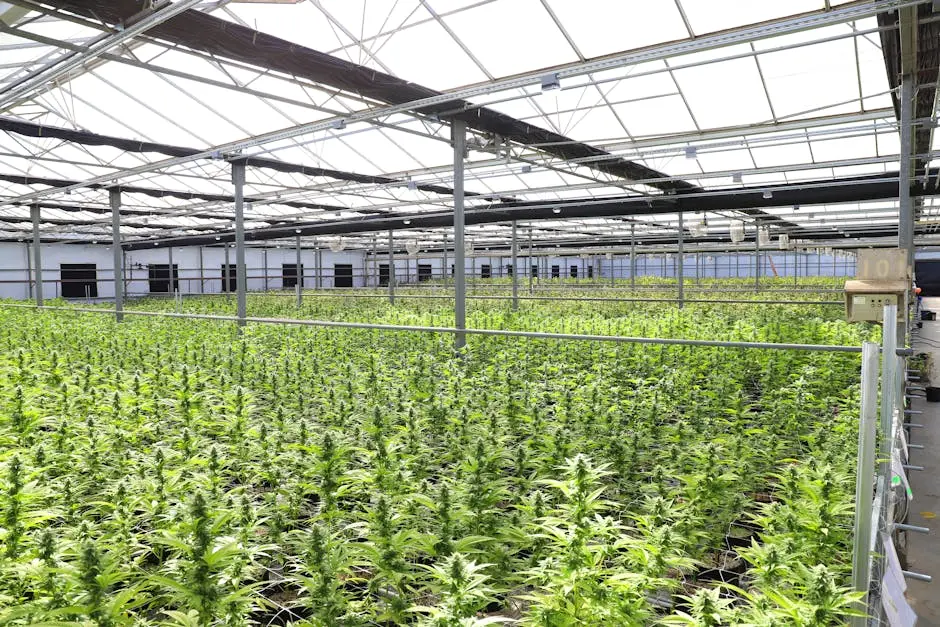
Indoor growing offers the advantage of controlled conditions. This can be essential in regions with unfavorable climates. However, remember that it involves significant investment in climate control systems, which require energy considerations.
Outdoor growing, on the other hand, can take advantage of natural resources, but it’s more susceptible to weather and pest-related issues. If protection is a concern, ensure your outdoor space is well-secured, possibly using fencing and surveillance technology.
Accessibility is another key factor. Ensure your location allows easy access for maintenance and harvesting, which can significantly streamline your workflow and reduce operational stress.
Optimizing Light and Ventilation
Lighting and ventilation are critical for healthy plant growth. Choose the right lighting system that balances intensity and energy efficiency, and ensure proper airflow to maintain temperature and humidity levels.
Diverse lighting options are available, from LED to high-pressure sodium lights. Your choice should consider energy consumption, heat output, and light spectrum optimally designed for photosynthesis.
Ventilation helps prevent mold and pests by circulating fresh air. Installing exhaust systems and fans is key, as they help regulate the growing environment and keep plants healthy.
Integrating carbon filters can be beneficial in filtering odors, making your operation more discreet. Efficient air circulation also reduces temperature variations, allowing for a more stable growth environment.
Planning the Layout and Workflow
Efficient design is about planning your space wisely. Design a layout that allows easy access to plants, while also considering the workflow for planting, maintenance, and harvest.
A well-organized space minimizes movement and maximizes effective work time. Arrange your equipment and plants in a way that promotes natural flow during daily farming activities. Consider vertical growing systems if space is limited.
Workflow considerations should include scheduling for planting and harvesting cycles, as well as maintenance checks to avoid downtime. Every detail matters in optimizing your setup for peak efficiency.
Incorporating Sustainable Practices
Sustainability should be integral to your design. Use eco-friendly materials, adopt water-saving techniques, and consider renewable energy sources to reduce your environmental impact.
Consider integrating renewable energy solutions like solar panels to decrease reliance on traditional power sources. They reduce carbon footprint while potentially lowering long-term costs.
Composting can also be valuable by turning waste into nutrient-rich soil, benefiting from organic matter. Innovative water management techniques, such as drip irrigation, can further conserve precious resources.
By focusing on sustainability, you’re not just contributing to environmental welfare—you’re ensuring the longevity and resilience of your cultivation efforts in the long run.
Crafting an Optimal Cannabis Cultivation Design
By carefully considering each of these key factors, you can create an optimized cannabis cultivation design that enhances plant health, maximizes yield, and improves overall efficiency. Always tailor your approach to meet your specific goals and resources. With the right plan, your cannabis cultivation journey can be both rewarding and sustainable. To learn more about effective cultivation techniques, visit our homepage.