


Creating an efficient cannabis irrigation system is a pivotal step towards achieving a flourishing crop. This guide will walk you through the essential components that make up a successful setup. With a friendly, easy-to-follow style, we’ll demystify the key aspects of cannabis irrigation to ensure you’re well-equipped for thriving results.
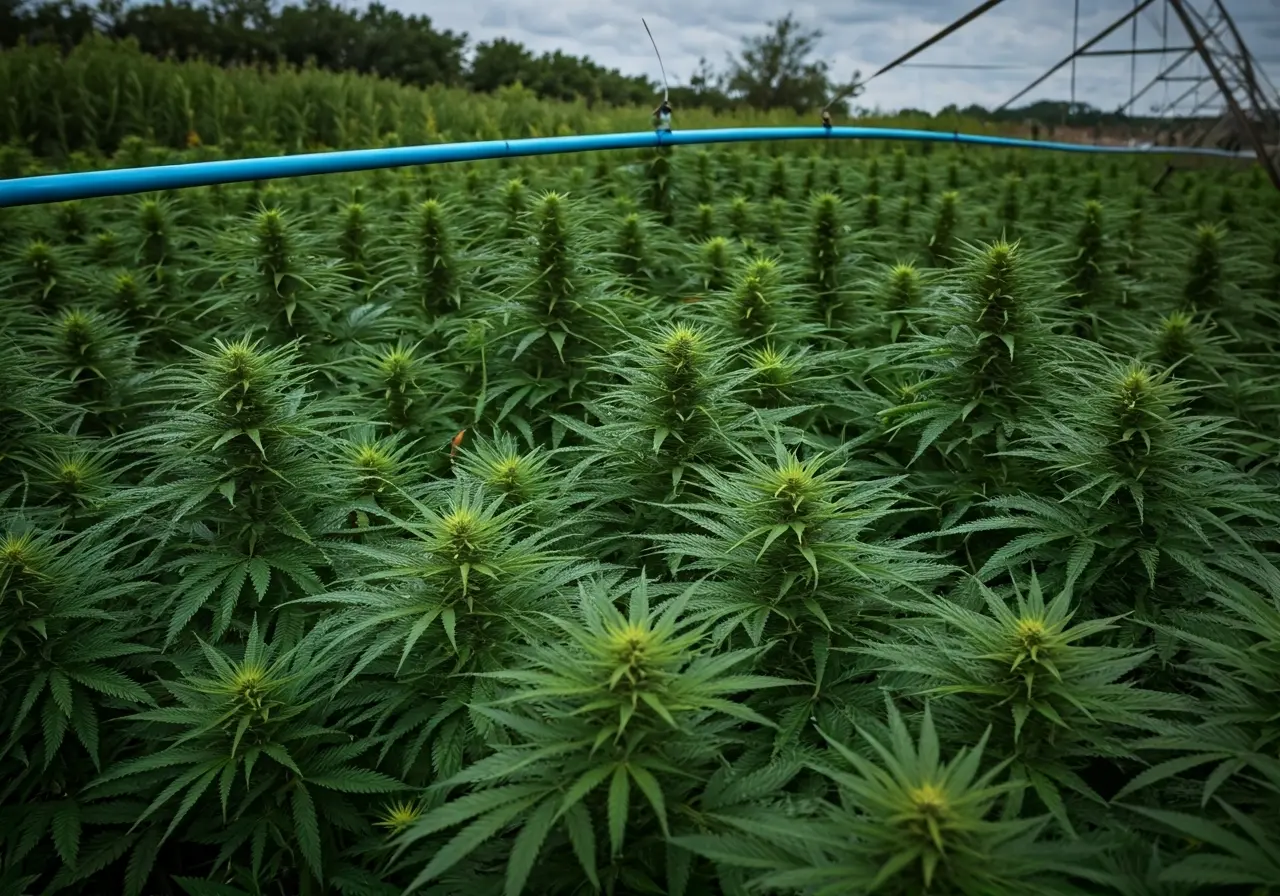
1. Understanding Water Needs
Knowing your plant’s water requirements is the foundation of any irrigation system. Cannabis plants have specific needs that vary throughout their growth stages, making it crucial to tailor your approach over time. During the seedling stage, less frequent watering helps develop strong roots, whereas the flowering stage demands more regular hydration. Understanding evapotranspiration, the process by which plants release water into the atmosphere, can also impact how you plan watering cycles to meet your plants’ demands. By familiarizing yourself with these needs, you set the base for a successful irrigation setup.
To further streamline the process, maintaining a consistent watering schedule based on the plant’s life stage is key. Experienced growers often use a combination of personal observation and scientific data to fine-tune their schedules. For instance, a sudden change in weather could alter the water requirements significantly. Armed with this knowledge, you can ensure your plants are neither under-watered, leading to dehydration, nor over-watered, which can cause root rot.
2. Choosing the Right Water Source
The quality of your water source can significantly impact plant health. Whether you use tap, well, or rainwater, understanding its mineral content is vital for your cannabis irrigation strategy. Tap water might have high levels of chlorine or other additives, which could be detrimental to plant growth if not addressed. In certain regions, well water may contain heavy metals or salts, influencing soil salinity and crop yields. Rainwater, often used by sustainable growers, is naturally soft and free of dissolved salts, making it an excellent choice for irrigation.
Before committing to a primary water source, conducting a thorough water test is advisable. This step helps identify potentially harmful elements and decide if treatments like filtration or reverse osmosis are necessary. Making informed decisions about water sources goes a long way in crafting an irrigation system that supports healthy plant growth while optimizing resource use and sustainability.
3. Utilizing Water Filtration
Proper filtration ensures that harmful substances don’t reach your plants. This section will cover different filtration options to keep your water pure and safe for cannabis cultivation. Carbon filters, for example, are effective at removing chlorine and other organic compounds, while sediment filters can trap large particles suspended in your water source. For more specific impurities, reverse osmosis systems have gained popularity for their ability to eliminate a broad range of contaminants, offering a high level of safety and cleanliness.
Regular maintenance of these filtration systems is crucial to guarantee their effectiveness over time. This maintenance could include periodic filter replacements and system flushes to remove any build-up that may compromise their function. Implementing a well-planned water filtration system into your setup not only protects your crops but also promotes more thriving plants by enhancing the quality of the nutrients they receive.
4. Incorporating Drip Irrigation
Drip systems are popular for their efficiency in delivering water directly to the plant roots. Learn how to set up a drip system for optimal hydration and minimal waste. These systems slowly emit water directly into the soil, minimizing evaporation and runoff, which makes them ideal for water conservation efforts. Research indicates that such systems not only improve water efficiency but also enhance nutrient uptake due to their localized distribution.
Setting up a drip system requires careful planning of the layout to ensure even coverage across your grow area. Consider incrementally adjusting the flow rates based on plant type and growth phase to accommodate their changing needs. To enhance system longevity, regular inspection and cleaning of emitters and tubing is recommended to prevent clogs and ensure consistent performance.
5. Balancing pH Levels
Maintaining the right pH is crucial for nutrient uptake. This section explains how to test and adjust pH levels to keep your plants healthy at all stages of growth. The ideal pH for cannabis cultivation ranges between 5.8 to 6.5, within which nutrients are most effectively absorbed. Deviations outside this range can hinder nutrient availability and lead to deficiencies or toxicities, which ultimately affect plant health and yields.
To ensure your pH levels are in the desired range, equip yourself with a reliable pH meter and solutions for calibration. Test your water and soil regularly, particularly after incorporating nutrient solutions, as they can alter the pH balance. Adjustments might be required using pH up/down solutions to fine-tune these levels. Consistently maintaining balanced pH levels sets a foundation for robust plant growth.
6. Managing Nutrient Solutions
Besides water, cannabis plants require a blend of nutrients. We’ll discuss how to integrate nutrient solutions effectively in your irrigation schedule. Nutrient solutions typically contain key elements like nitrogen, phosphorus, and potassium, alongside trace minerals crucial for plant development. Understanding the nutrient needs at various growth stages helps in crafting a precise feeding regimen that’s conducive to optimal plant health and productivity.
When incorporating nutrient solutions, avoid over-fertilization as it can lead to nutrient lockout and damage the plant. Gradually introducing nutrients and adjusting based on plant response is an effective strategy. Additionally, regularly flush your growing medium to remove any excess salts that may accumulate over time.
7. Implementing Automated Systems
Automation can save time and reduce errors in irrigation. Discover various automation tools that can give you more control over your cannabis cultivation. Systems like programmable timers, moisture sensors, and smart controllers can automate watering cycles based on the plant’s requirements, ensuring precise and consistent care. These systems can be customized to deliver water and nutrients as needed, reducing human error and labor while optimizing growth conditions.
Implementing smart technology might seem daunting initially, but the long-term benefits, including increased yield and resource efficiency, outweigh the setup efforts. These tools free up time for growers to focus on other vital aspects of cultivation, such as pruning and pest management. Embracing automation can streamline operations and adapt to the specific needs of your grow.
8. Monitoring Soil Moisture
Measuring soil moisture helps prevent over or under-watering. Explore techniques for monitoring and maintaining the ideal moisture levels for your plants. Utilizing tools like soil moisture meters or tensiometers gives real-time insights into moisture conditions, allowing for informed irrigation decisions. These instruments aid in establishing a moisture threshold that’s optimal for cannabis growth.
To bolster accuracy, consider supplementing moisture measurement with visual cues, such as soil color and texture changes. Regular system checks ensure your tools are functioning correctly, enabling precise monitoring and maintaining moisture balance. Leveraging these techniques helps create an environment where cannabis plants thrive due to consistent and adequate hydration.
9. Ensuring Proper Drainage
Good drainage prevents root rot and other water-related issues. Learn how to design your system to allow excess water to escape efficiently. Start by selecting a well-draining soil or amendment, such as perlite or coco coir, to promote proper water flow around the root zone. Raised beds or pots with drainage holes can prevent water from pooling, thereby maintaining favorable root conditions.
Observing the drainage efficiency after irrigation sessions can help identify potential issues. If water lingers in your growing media or containers, consider revisiting your setup or adding more drainage holes. Proper drainage solutions ensure that your irrigation system supports healthy and strong root development, reducing the risk of waterlogging and associated problems.
10. Regular System Maintenance
Keeping your irrigation system in top shape is key to consistent performance. We’ll cover routine checks and maintenance tasks to ensure longevity and reliability. Regularly inspect all components for wear and tear, ensuring that hoses, connections, and filters are functioning as expected. Routine cleanings help prevent blockages and prolong the life of your irrigation components, maximizing their efficiency and effectiveness.
Incorporate a maintenance schedule with monthly or quarterly system reviews, replacing any worn-out parts promptly. Additionally, keeping records of maintenance activities can aid in diagnosing recurring issues or optimizing system performance over time. With a proactive maintenance routine at hand, you safeguard your investment and support a successful cultivation cycle throughout the year. Regular upkeep assures that your cannabis irrigation system remains a cornerstone of your growing efforts.