


In the world of cultivation, precise environmental control is crucial for optimal plant growth. This is where specialty HVAC systems come into play. But what exactly are specialty HVAC systems, and why are they so important for cultivation? In this FAQ blog, we’ll break down the essentials of specialty HVAC for you.
What is Specialty HVAC?
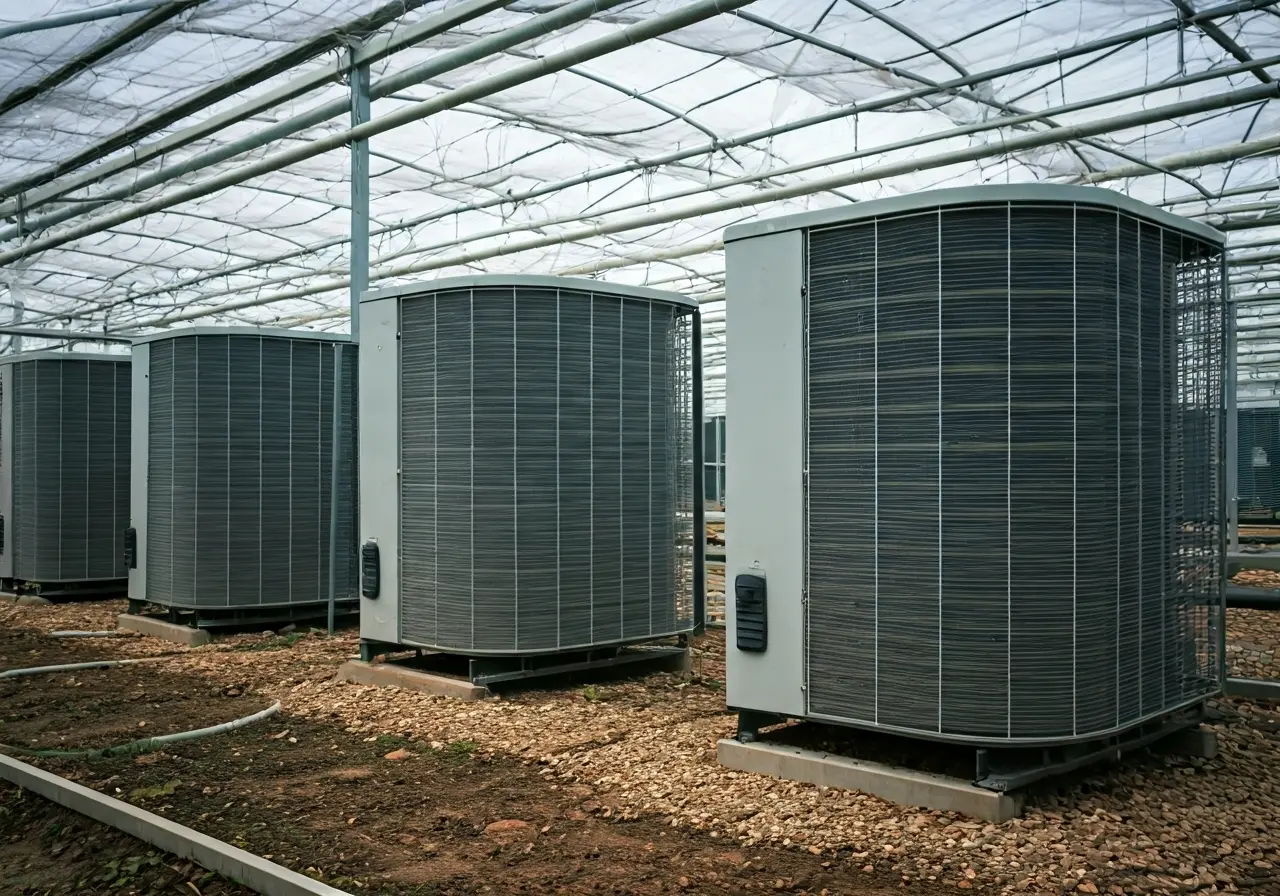
Specialty HVAC refers to Heating, Ventilation, and Air Conditioning systems designed specifically for unique environments such as indoor cultivation facilities. These systems are tailored to meet the precise needs of plants, ensuring a stable environment for growth.
The role of specialty HVAC systems goes beyond mere temperature regulation. By providing tailored solutions for various plant types, these systems help simulate natural conditions, which are crucial for the photosynthesis process and overall plant health.
In environments where precision is key, specialty HVAC systems are a game-changer. Traditional systems often fall short in meeting the fluctuating environmental demands during different growth stages, but customized solutions offer the agility needed for optimal plant health.
Why is Environmental Control Crucial for Cultivation?
Plants require specific conditions to thrive, including the right temperature, humidity, and air quality. Specialty HVAC systems provide the precise control needed to maintain these conditions, minimizing risks such as mold, pests, and poor growth.
Maintaining proper environmental conditions directly affects plant health and productivity. For example, humidity levels play a significant role in preventing diseases and promoting healthy growth. Specialty HVAC systems can precisely manage these parameters.
By ensuring consistent temperatures and humidity levels, HVAC systems safeguard against the stress factors that can harm plant development. This level of control can make an enormous difference in both the yield and quality of the produce.
How Do Specialty HVAC Systems Differ from Standard Ones?
Unlike standard HVAC systems, specialty HVAC setups are customized to handle the unique needs of plant environments. They offer more accurate control over temperature and humidity, can handle high levels of moisture, and often feature specialized filtration systems.
In cultivation, a one-size-fits-all approach doesn’t suffice. Specialty HVAC systems are engineered to accommodate high plant densities, different growth phases, and even geographical location nuances—providing a tailored environment for optimal growth.
It’s this level of specificity in specialty HVAC systems that empowers growers to tweak their environments as needed, unlike traditional HVAC units which lack the flexibility required for dynamic cultivation needs.
What are the Key Features of Specialty HVAC Systems?
Key features include precision control systems, advanced humidity and temperature regulation, and robust filtration systems that enhance air quality. These features collectively ensure optimal growing conditions by maintaining the ideal atmosphere for plant development.
Special emphasis is placed on adaptive controls. These systems intelligently respond to real-time changes within the environment, ensuring that any deviations from set parameters are corrected swiftly for consistent plant conditions.
Moreover, the use of energy-efficient components in specialty HVAC systems not only supports environmental sustainability but also offers cost savings on operational expenses, an aspect highly valued by modern growers.
The Importance of Specialty HVAC in Cultivation
Understanding specialty HVAC systems and their role in cultivation can make a significant difference in cultivating robust and healthy plants. With precise temperature and humidity control, growers can optimize conditions for plant growth, ultimately leading to better yields and quality. For more comprehensive solutions, consider exploring Cultivation Warehouse.