


Designing a cannabis facility can be a rewarding venture, but it comes with its own set of unique challenges. From layout planning to compliance, there are numerous factors to consider to ensure success. In this guide, we’ll explore essential tips that will help you create a facility that is efficient, compliant, and primed for growth.
1. Understanding Regulatory Requirements
Before diving into the design, it’s critical to understand the regulatory landscape of cannabis production. Compliance with these rules ensures that your facility operates within legal boundaries and avoids hefty fines. Regulations can vary significantly from one jurisdiction to another, affecting everything from security measures to product testing protocols. Being proactive in understanding these requirements can streamline your design process and ensure that your facility is set up for success from the start. Engaging with legal advisors or regulatory professionals familiar with your region’s laws is a wise step to avoid any compliance pitfalls.
Furthermore, a well-informed operator will recognize the importance of staying updated with evolving legislation. Laws surrounding the cannabis industry are changing rapidly as the market matures. These changes can impact operational aspects such as licensing durations, zoning laws, and permissible production practices. By maintaining a clear line of communication with local authorities and industry groups, you can keep abreast of these changes and adapt your facility plans accordingly. Never underestimate the power of compliance in safeguarding your operations.
2. Maximizing Space Utilization
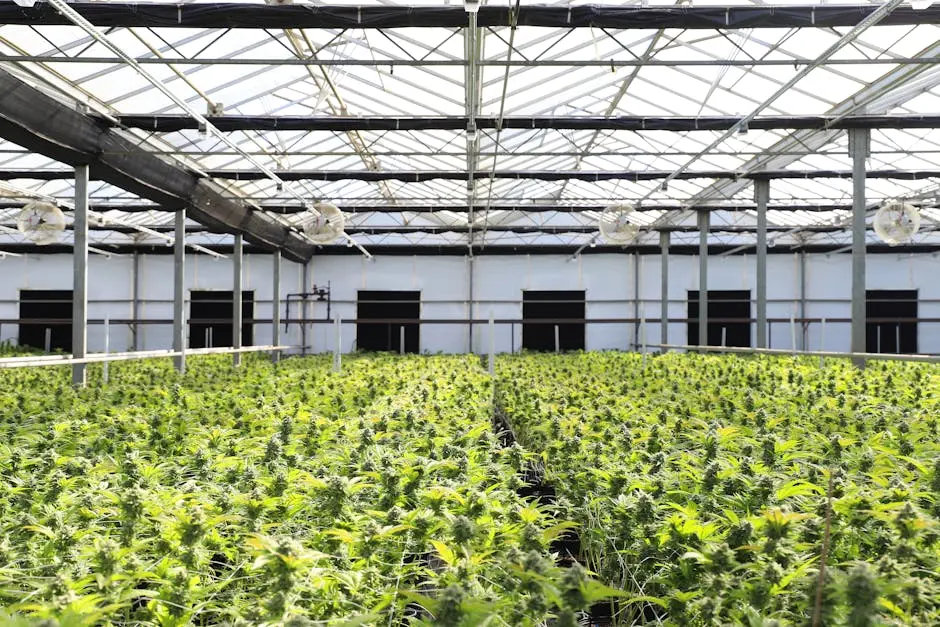
Effective use of space is key in facility design. Consider vertical farming techniques and modular layouts to maximize the capacity and efficiency of your operations. Vertical farming not only helps in utilizing every square foot available but also significantly increases your yield per cycle. Moreover, modular layouts allow for a tailored approach to plant growth environments, facilitating specific conditioning based on plant stages. Every decision should support maximizing your grow area’s potential while balancing flow, function, and future adaptability.
The use of space management technology can further enhance your ability to optimize facility layout. Tools such as AI-based planning software can help in identifying the best configurations for maximizing usable space. These solutions not only predict and simulate different spatial layouts but also offer insights into possible expansion paths. Properly implemented, smart technologies could result in cost savings and increased productivity, giving your facility the edge it needs in a competitive market.
3. Optimizing Environmental Controls
Creating an optimal environment for cannabis growth requires precise control over temperature, humidity, and light. These factors are crucial for the growth phases of the plant, affecting both yield and quality. Implementing advanced climate control systems that offer remote monitoring and adjustments can greatly benefit this process. Ensuring that all environmental variables are carefully calibrated means that each plant has the optimal growing conditions for every stage of its lifecycle.
High-tech solutions such as LED lighting systems have transformed how cultivators approach lighting. These systems allow customization of light spectrums and intensities, mimicking natural conditions that support healthier plant development. Similarly, automated irrigation systems equipped with sensors ensure that plants receive precise water levels, which is critical not only for plant health but also for water conservation efforts. A facility that prioritizes efficient resource use will not only produce healthier cannabis but will also reduce operational costs in the long run.
4. Ensuring Security and Safety
Security is paramount in cannabis facilities. Incorporate robust security measures and surveillance systems to protect your investment and comply with regulations. From perimeter fencing to biometric access controls, ensuring that every corner of your facility is secure, prevents unauthorized access. Security isn’t just about keeping the product safe; it’s also about maintaining trust with regulators and customers alike. Comprehensive security plans that include 24⁄7 video monitoring and intrusion detection systems are essential components of your strategy.
Fire safety and emergency response plans should also be prioritized. Many facilities overlook the importance of these in their design phase. Installing advanced fire suppression systems could make a critical difference during an incident. Regular safety drills and training for your staff will ensure everyone knows their roles in case of emergencies, minimizing potential risks. A well-secured and safe facility not only safeguards investments but also assures stakeholders of the reliability and professionalism of your operations.
5. Prioritizing Workflow Efficiency
Design your facility with efficiency in mind. Streamlined workflows reduce bottlenecks and improve productivity, ultimately saving time and costs. A thoughtful layout will ensure smooth transitions between different work zones, from cloning and vegetation to flowering and harvesting. By organizing operations logically and minimizing unnecessary movements, you can boost both labor efficiency and crop output.
Leverage automation technology to further enhance workflow efficiency. Automated systems for tasks like trimming and packaging not only increase speed and accuracy but also allow employees to focus on more strategic tasks that add greater value. Consider integrating process automation solutions that can handle repetitive tasks, thereby reducing human error and improving consistency throughout the production process. Such innovations can translate into significant time and cost efficiencies for your facility.
6. Implementing State-of-the-Art Technology
Incorporating the latest technology can vastly improve facility operations. From automated systems to data analytics, use technology to enhance growth and monitor plant health. Automation can help in maintaining environmental parameters within desired limits, thereby supporting optimal plant growth conditions and reducing the requirement for manual adjustments.
Data-driven approaches are another frontier for maximizing facility efficiency. Utilize advanced analytics to gain insights into every aspect of crop production. Machine learning algorithms can predict crop yields and identify potential areas for improvement, allowing you to make informed decisions. As technological advancements continue to reshape the industry, integrating such tools into your facility design ensures you stay at the leading edge of cannabis production.
7. Designing for Future Expansion
As the cannabis market grows, so might your facility. Plan for future expansion by designing a flexible facility that can adapt to increasing production needs. Flexibility in design enables you to swiftly adapt to market changes, whether they require increasing production volumes or introducing new product lines. Modular building approaches offer an efficient way to scale up operations, allowing for phased expansions that maintain uninterrupted production.
When considering expansion, consult with experts who understand the intricacies of cannabis facility design and its future potential. Early investment in structures that support growth ensures that when the need arises, your facility can expand without incurring excessive costs or downtime. Start by forecasting potential growth trajectories and aligning your design strategy with those projections. Being proactive about expansion keeps your facility competitive and allows it to meet future market demands efficiently.
8. Focusing on Sustainability
Sustainable practices not only reduce environmental impact but also attract eco-conscious consumers. Implement energy-efficient systems and water-saving technologies for a greener facility. Consider renewable energy sources like solar panels to power your operations and reduce reliance on the grid. Sustainable practices are not just good for the planet but can also significantly reduce operating costs over time.
Initiatives such as waste recycling programs and the adoption of eco-friendly packaging can further enhance your facility’s sustainability profile. By minimizing your carbon footprint and showcasing a commitment to sustainable practices, you differentiate your brand in a crowded market space. Consumers increasingly favor businesses that align with environmental consciousness, giving you an edge in brand loyalty and market relevance.
9. Collaborating with Experienced Designers
Partnering with design experts who specialize in cannabis facilities can streamline the planning process and ensure that your design meets both business and regulatory requirements. These professionals bring industry-specific knowledge and experience that can help navigate complex design challenges, anticipate regulatory changes, and optimize design for operational efficiency.
Experienced designers understand the nuances of cannabis cultivation and can offer innovative solutions tailored to your facility’s unique needs. Their guidance extends beyond aesthetics, focusing on function, workflow, and compliance. Invest in building a collaborative relationship with experts who can provide valuable insights and solutions, thereby enhancing the potential success of your cultivation facility.
10. Prioritizing Employee Wellbeing
A well-designed facility considers the comfort and safety of its employees. Incorporate features that promote a positive working environment, from ergonomic workstations to adequate break areas. Comfortable working conditions contribute to higher productivity levels and reduced turnover rates, ultimately benefiting the overall efficiency of the facility.
Involve employees in the design process to gather their insights and feedback on what would create an optimal working environment. Implement practices such as health and wellness programs to support employee wellbeing, which in turn boosts morale and job satisfaction. A workforce that feels cared for and supported is more likely to be engaged and productive, creating a harmonious work culture conducive to success.