


Embarking on the journey of indoor cultivation requires the right set of solutions to ensure a fruitful and efficient process. With the growing popularity of home gardening and indoor plant cultivation, choosing the best system to fit your needs can seem daunting. This guide will walk you through the simple steps necessary to make the right choices for your indoor growing setup, making the whole experience enjoyable and productive.
1. Understanding Your Growing Space
The first step in selecting the appropriate indoor cultivation solutions is assessing your available space. Consider factors such as natural lighting, temperature control, and room layout to understand how they will influence your plant growth. The space you choose will determine what type of system can be implemented efficiently and safely. Ensuring there is enough room for your plants to thrive, that lighting can be properly positioned, and that ventilation needs are met, serves as the foundation of your indoor garden.
It’s important to visualize how your space will evolve as your plants grow. If you plan to start with seedlings under grow lights or in a windowsill, imagining the future size of the plants will aid in effective space planning. You may not just need the footprint, but also enough vertical space for the taller plants or systems you may introduce.
Don’t forget the practical aspects like ease of maintenance and pest management; these are frequently dictated by how your growing space is accessed and organized, impacting how effectively you can care for your plants.
2. Identifying Your Planting Goals
Knowing what you want to grow is crucial in choosing the right systems. Whether you’re nurturing vegetables, herbs, or flowers will dictate the type of solutions you require. Different plants have unique needs when it comes to space, light, and nutrients, among other factors. For instance, herbs might thrive with simpler systems while vegetables might require more advanced setups.
Identifying your goals early helps provide direction and focus as you gather necessary equipment and resources. Whether aiming for a kitchen countertop herb garden or a larger-scale system, knowing the end purpose will streamline decision-making and resource utilization. Moreover, understanding your specific plant requirements, such as light conditions, water needs, and growth cycles, is vital for selecting the right cultivation solutions.
3. Exploring Different System Types
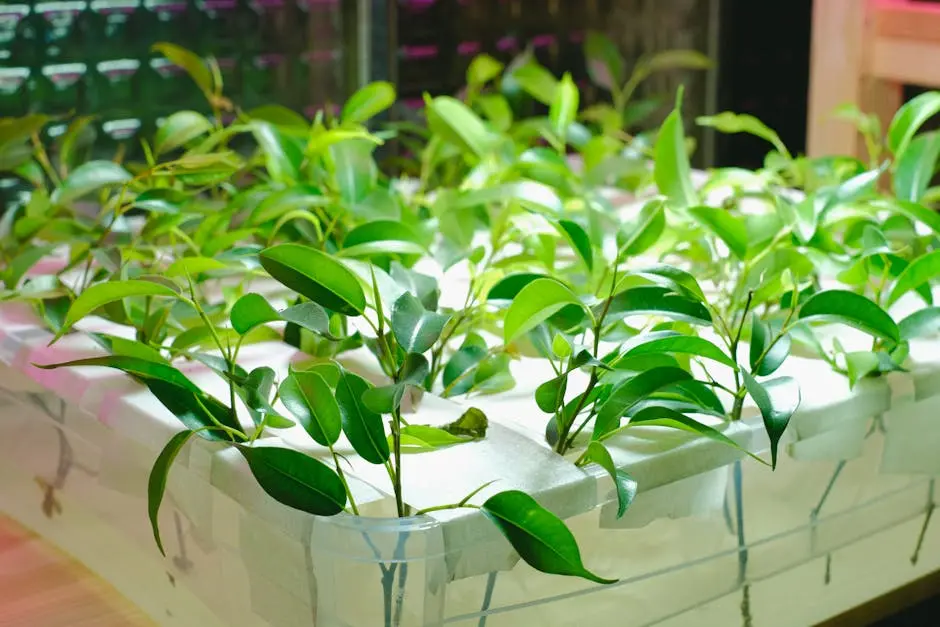
Dive into the various indoor cultivation systems available, such as hydroponics, aquaponics, or soil-based setups. Each system offers unique benefits and can cater to different plant types. Hydroponics, for example, allows for rapid growth and higher yields in a smaller space, making it ideal for cultivation enthusiasts with limited square footage. This system uses a nutrient-rich water solution, eliminating the need for soil and allowing for precise control over nutrient levels and water usage.
On the other hand, aquaponics combines fish farming with plant production, offering a sustainable way to grow food. The fish waste provides an organic nutrient source for the plants, and in return, the plants help clean the water for the fish. This symbiotic system creates a closed loop that can be particularly rewarding for those interested in sustainability and water conservation. Soil-based systems remain a popular choice due to their familiarity, natural ecosystem creation, and the variety of plant species they can support.
Understand how each system’s components work and assess if they align with your lifestyle and dedication. This assessment will play a significant role in your long-term cultivation success.
4. Evaluating Lighting Options
Lighting is a critical factor in indoor cultivation. Learn about LED, fluorescent, and HID lights, and determine which type will best support your plants’ growth. LEDs are energy-efficient and durable, providing a full spectrum of light that can be tailored to the specific needs of your plants. They are ideal for cultivators who prioritize long-term savings and environmental impact.
Fluorescent lights, often used for seedlings and leafy greens, are cost-effective and generate less heat, reducing the risk of damaging your plants. For plants requiring intense light, high-intensity discharge (HID) lights are often recommended. HID lights mimic the natural sunlight spectrum and are popular in professional settings.
Your choice of lighting will significantly affect the success of your indoor cultivation efforts, impacting both plant health and energy consumption. Evaluate your lighting options carefully to create an ideal growing environment.
5. Considering Ventilation and Airflow
Proper ventilation is essential to maintain the right temperature and humidity levels. Explore options for fans and ventilators that can help circulate air effectively within your growing space. Good airflow reduces the risk of mold, mildew, and pests, facilitating healthier, hardier plant growth. Particularly in enclosed indoor environments, stagnant air can impede plant respiration and temperature regulation.
Flexible ventilation solutions, such as oscillating fans or exhaust systems, can also help manage unwanted heat buildup, especially when using powerful lighting solutions like HID lights. Effective ventilation systems are key to maintaining an even climate, which supports robust growth and minimization of disease.
Choosing the right equipment for your ventilation needs will equip your plants with the fresh air they need to thrive, supporting a dynamic and resilient environment.
6. Assessing Nutrient Solutions
Feeding your plants the correct nutrients will ensure their health and productivity. Understand the various nutrient solutions on the market and how they cater to different plants and systems. Specific formulations target the distinct growth phases of development, such as vegetative and flowering stages, to optimize nutrient uptake and plant vigor.
When working with hydroponics and aquaponics, liquid nutrients dissolved in water provide a highly-controlled environment, offering precision in nutrient delivery. Soil-based setups require a balance of macronutrients (nitrogen, phosphorus, potassium) and micronutrients tailored to the individual plant species and soil profile.
Ensuring your plants receive balanced and adequate nourishment from trusted nutrient solutions reduces deficiencies and maximizes yield, becoming an essential component of your successful cultivation.
7. Setting a Budget
Budgeting for indoor cultivation solutions ensures you make smart, viable investments. Consider initial costs, ongoing maintenance, and potential upgrades when planning your expenditure. While initial investments in high-quality equipment might seem steep, they often provide improved efficiency and durability, saving money in the long term.
Plan for unforeseen expenses, such as replacement parts or emergency plant care, by creating a buffer within your budget. Additionally, allocate funds for potential expansions or modifications to your setup as your knowledge and interests develop.
Balancing the immediate and long-term costs with your budgetary constraints will ensure a sustainable and successful indoor cultivation experience.
8. Planning for Future Growth
Think ahead to accommodate expanding your indoor garden. Choose solutions that offer scalability so you can adjust and expand your setup as your interest and capacity grow. Modular systems, for example, allow you to add components seamlessly and cater to different plant species or lifecycle stages.
Reflect on potential changes in available space, plant choices, or cultivation goals that may impact future needs. Establishing a flexible framework will facilitate incremental growth and allow adaptation to new technologies and practices.
Planning with a long-term perspective in mind guarantees a rewarding and sustainable indoor cultivation journey, optimizing both your enjoyment and plant success.