


Setting up a commercial grow room can be a rewarding venture, but it requires careful planning and understanding to ensure maximum yield. In this blog, we’ll explore the key elements that make a successful grow room, from lighting and ventilation to pest management. Whether you’re new to commercial growing or looking to optimize your current setup, these tips will guide you towards a thriving garden.
Understanding the Basics of Commercial Grow Rooms
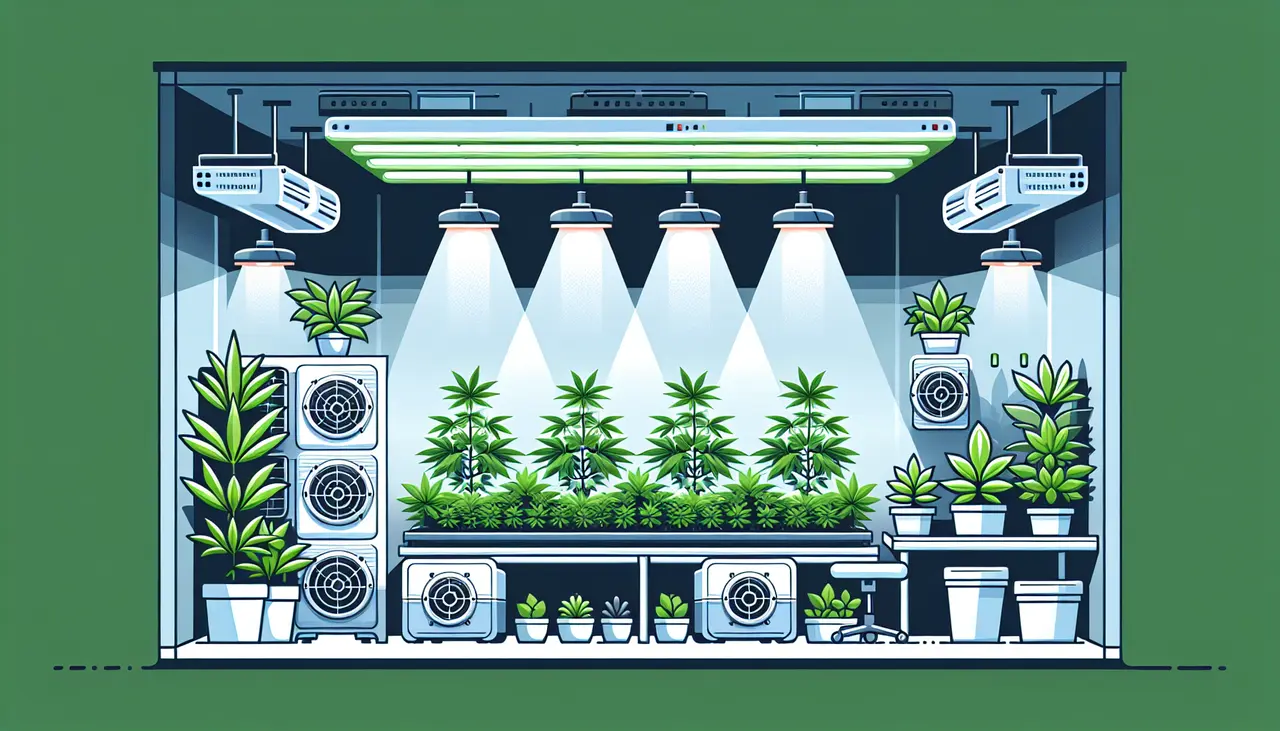
A commercial grow room is a controlled environment designed to cultivate plants at a large scale. Knowing the essential components, such as lighting, temperature, humidity, and space optimization, is crucial for establishing a successful grow room. Initially, it’s important to evaluate the space available and identify the main goals you want to achieve with your grow operation. Understanding these fundamentals will help shape every decision you make moving forward. As you begin to layout your grow room, pay close attention to the foundation—this will involve decisions around the location, size, and configuration of the area.
Another fundamental aspect is to ensure a consistent power supply, as commercial growing requires significant energy usage. Incorporating energy-efficient systems can save costs in the long run and contribute to the sustainability of your operation. Moreover, creating a detailed blueprint of your equipment layout can prevent potential pitfalls and inefficiencies down the road. This comprehensive understanding of the basics not only sets the stage for success but also helps you to adapt and scale your grow room in response to changing needs and growing demands.
Choosing the Right Lighting for Optimal Growth
Lighting is one of the most critical factors in plant growth. Understanding the different types of lights, such as LED, HPS, and fluorescent, and their impact on plant growth stages can help you make informed decisions for your grow room setup. LEDs, for example, have become increasingly popular due to their energy efficiency and long lifespan. They also provide a spectrum of light that can be adjusted to meet the specific needs of your plants at different growth stages. On the other hand, HPS lights are known for their powerful intensity and are often used during the flowering stage for enhanced yields.
Fluorescent lights, while not as common in large-scale commercial settings, can be used for seedlings and clones due to their lower intensity and heat output. When choosing your lighting, consider factors such as the cost per unit, the heat produced, and the intensity required. It’s also important to consider the reflectivity of your walls and ceilings; using reflective materials can enhance the effectiveness of your lighting system, ensuring every plant receives adequate light exposure. Properly managing your lighting not only aids in the growth process but also helps maintain a balanced environment within the grow room.
Ensuring Proper Ventilation and Temperature Control
A well-ventilated grow room is essential for maintaining healthy plants. Discover how to balance fans, ducting, and temperature control systems to create the perfect environment for your plants to thrive. Effective ventilation involves removing excess heat and humidity, which can otherwise lead to mold growth and pest infestations. It’s crucial to establish a system that brings fresh air in and exhausts stale air out. Using oscillating fans helps circulate air evenly, preventing hot spots and ensuring a consistent climate throughout your grow space.
Temperature control goes hand-in-hand with proper ventilation. Using thermostats and hygrometers can provide you with accurate readings, allowing you to make real-time adjustments to keep the environment stable. By manipulating air intake and exhaust, you can significantly influence the ambient temperature and moisture levels. Additionally, considering the placement of heating and cooling units in relation to your plants and equipment can maximize efficiency and reduce energy consumption. This strategic approach to ventilation and temperature management is foundational for fostering a robust growing environment.
Soil, Nutrients, and Watering: The Key Ingredients
The choice of soil and nutrients, along with an appropriate watering schedule, are fundamental to plant health and maximum yield. Learn how to tailor these elements to the specific needs of your crops. Start by selecting the right medium—while traditional soil is common, many commercial growers opt for hydroponics or coco coir for greater control over nutrients and pH levels. The nutrient regimen should be carefully chosen and balanced to provide all the essential macro and micronutrients your plants require at various growth stages. Regular testing of soil pH and nutrient levels helps in making necessary adjustments to maintain optimal growing conditions.
Watering schedules are equally critical. Both overwatering and underwatering can have detrimental effects on your plants. Implementing automated irrigation systems can increase precision and consistency, allowing you to monitor water delivery closely. Remember, the right balance is critical: it helps avoid conditions that might lead to root rot or nutrient deficiencies. As these components work synergistically, getting them right sets the foundation for a healthy grow room and leads to bountiful harvests.
Integrating Pest and Disease Management Strategies
Pest and disease management is vital in preventing crop loss. Explore the most effective strategies, including integrated pest management (IPM), to protect your plants while maintaining a safe growing environment. A proactive approach is key, starting with maintaining clean conditions to deter the initial establishment of pests and diseases. Implementation of IPM involves regular monitoring of plants for signs of trouble, using biological controls like beneficial insects, and applying organic pesticides when necessary.
Disease prevention is closely linked with environmental controls. By managing humidity and airflow, you can minimize the chances of mold and other pathogens taking hold. Quarantine new plants and regularly inspect them to ensure they aren’t introducing new pests or diseases into your environment. It’s essential to keep detailed records of pest outbreaks and disease incidences, as this data can help predict and prevent future issues. By integrating these strategies, you can maintain a robust, healthy commercial grow room that sustains productivity over time.
Optimizing Space for Efficiency and Productivity
Efficient use of space is crucial in a commercial setting. From vertical growing systems to plant spacing, discover how to maximize your grow room’s potential and ensure high productivity. Vertical farming systems allow growers to stack plants and effectively utilize space that would otherwise be wasted. Using racks or multi-tier setups enables you to considerably increase the output without expanding your physical footprint.
Proper plant spacing is another important consideration, ensuring that each plant has adequate access to light and airflow. Overcrowding can lead to competition for resources, stunted growth, and increased risk of disease. Tailor the configuration of your grow room to the specific needs of your chosen crops and the infrastructure available. Moreover, integrating technology like automated conveyor systems can streamline labor-intensive tasks, ultimately enhancing overall productivity. By optimizing every inch of space, you create an environment primed for lush growth and abundant yields.
Achieving Success in Your Commercial Grow Room
By carefully planning and implementing these key elements, you can optimize your commercial grow room for maximum yield. Remember that each component plays a vital role in plant health and productivity. With the right setup, attention to detail, and continual learning, success in commercial growing is within reach. Explore more about optimizing your grow room on our homepage.