


In the world of cannabis cultivation, creating the perfect environment is crucial for yielding healthy crops. One of the most significant factors in this equation is the HVAC system. In this FAQ, we’ll explore the relationship between HVAC and cannabis growth, addressing the essential steps to optimizing your grow space.
What is HVAC and why is it important for cannabis cultivation?
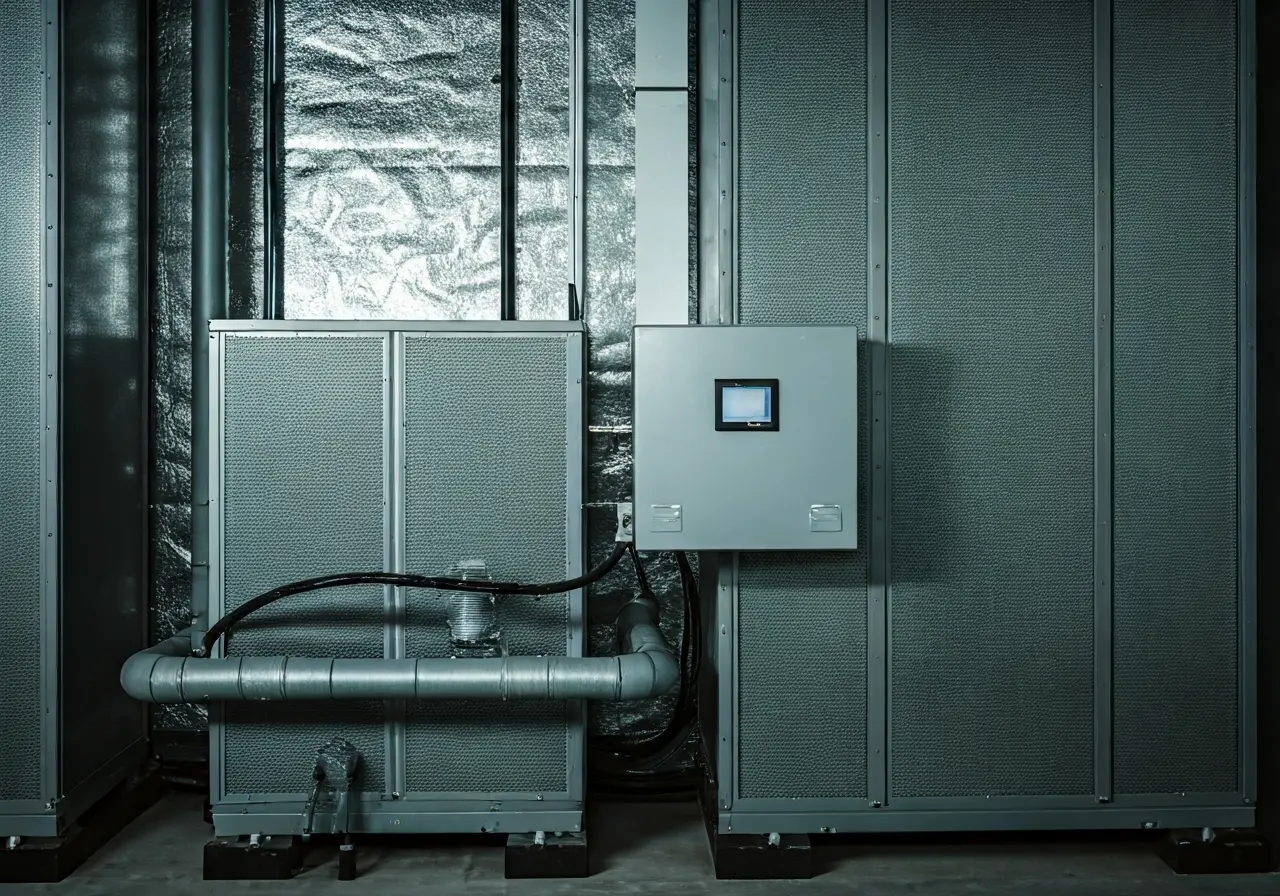
HVAC stands for Heating, Ventilation, and Air Conditioning. In cannabis cultivation, it helps to control the climate by regulating temperature, humidity, and air circulation, which are all crucial for plant growth.
The HVAC system is essentially the backbone of the indoor cannabis growth environment. This intricate system ensures that your plants receive the ideal conditions needed throughout their growth cycles. It maintains a stable climate, mitigating the effects of external environmental conditions which can disrupt growth. Advanced HVAC systems are equipped with sensors and controls that allow cultivators to create a finely tuned microclimate tailored to their specific cannabis strains.
How does temperature affect cannabis plants?
Temperature affects plant growth, photosynthesis, and even the potency and flavor profile of the cannabis. Maintaining an optimal temperature range ensures that plants grow healthily and efficiently.
Cannabis plants are highly sensitive to temperature fluctuations. An overly warm environment can lead to stress and hinder flower development, while a too-cold environment can stunt growth and interfere with the plant’s vital physiological processes. Typically, the ideal temperature range for cannabis plants during the day is between 70 to 85°F (20 to 30°C), while nighttime temperatures should be slightly lower to mimic natural outdoor conditions.
Monitoring and adjusting the temperature accurately plays a crucial role in enhancing the chemical composition of cannabinoids and terpenes, directly affecting the quality and appeal of the final product. Correct temperature control is a fundamental aspect of producing consistent, high-quality cannabis yields.
What role does humidity play in cannabis growing?
Humidity is essential for transpiration and nutrient uptake. An ideal humidity level prevents problems like mold and mildew, which can damage plants and reduce yield.
Proper humidity management is a delicate balancing act. Cannabis plants require different humidity levels at various stages of their life cycle. For instance, seedlings and vegetative plants thrive in higher humidity, around 70-75%, whereas flowering plants prefer drier conditions, typically between 40-50% humidity. This adjustment helps prevent bud rot and other fungal issues as the flowers become dense.
Using dehumidifiers and humidifiers in conjunction with your HVAC system can allow you to achieve precise humidity control. Modern humidity control systems can be integrated with sensors that provide real-time data, assisting growers in maintaining the perfect atmosphere effortlessly.
Why is air circulation vital in a cannabis grow room?
Proper air circulation helps to distribute CO2, maintain consistent temperature and humidity, and prevent pest infestations, all contributing to healthier plant growth.
Air circulation is the unsung hero of cannabis cultivation. It helps strengthen plant stems, making them more resilient to environmental stressors. Strong airflow mimics natural winds, forcing plants to grow robust and sturdy.
Additionally, air movement prevents hotspots and cold pockets, ensuring a uniform climate within the grow room. This airflow is crucial in preventing the buildup of pathogenic spores and pests, creating a healthier environment for cannabis plants to thrive in.
Cultivators can enhance their air circulation using strategically placed fans and exhaust systems, facilitating the constant movement and exchange of air, which is essential for delivering fresh CO2 to plants—a necessary component for photosynthesis and optimal growth.
How can you optimize your HVAC system for better cannabis yields?
To optimize your HVAC system, ensure proper sizing, regular maintenance, and integrate it with controls for monitoring climate conditions. This approach ensures efficient operation and better plant health.
The first step in optimizing your HVAC system for cannabis cultivation is ensuring that the system is appropriately sized for your grow area. An HVAC system that is too small will be unable to maintain the desired conditions, while an overly large system may lead to inefficiencies and increased energy costs. Professional assessment and installation can make a significant difference.
Regular maintenance and cleaning of HVAC components such as filters, coils, and fans are necessary to prevent the accumulation of dust and debris. This will not only extend the equipment’s lifespan but also improve air quality within the grow space. In addition to physical maintenance, periodically recalibrating sensors and controllers is crucial to ensure that your setup responds correctly to environmental demands.
Integrating your HVAC system with a centralized control system, such as a climate monitoring app or software, can provide automatic adjustments in real-time. By utilizing such technology, growers can achieve a consistently controlled environment, reacting to changes swiftly without manual intervention, thereby safeguarding the health and productivity of their crops.
Wrapping Up: Mastering HVAC for Optimal Cannabis Growth
Understanding the role of HVAC systems in cannabis cultivation is key to creating an optimal growing environment. It affects everything from temperature and humidity to air circulation, all of which are critical for a successful yield. By taking the time to optimize your HVAC setup, you can ensure the health and productivity of your cannabis plants. For more information on how to set up an effective HVAC for cannabis grow rooms, visit us.