


As the world shifts towards sustainable practices, the appeal of indoor farming continues to rise. This method offers control over growing conditions, making it possible to cultivate various crops regardless of external climate factors. However, achieving optimal conditions indoors requires specialized solutions, particularly in heating, ventilation, and air conditioning (HVAC) systems. Join me as we explore the latest innovations in specialty HVAC for indoor farming.
The Role of HVAC in Indoor Farming
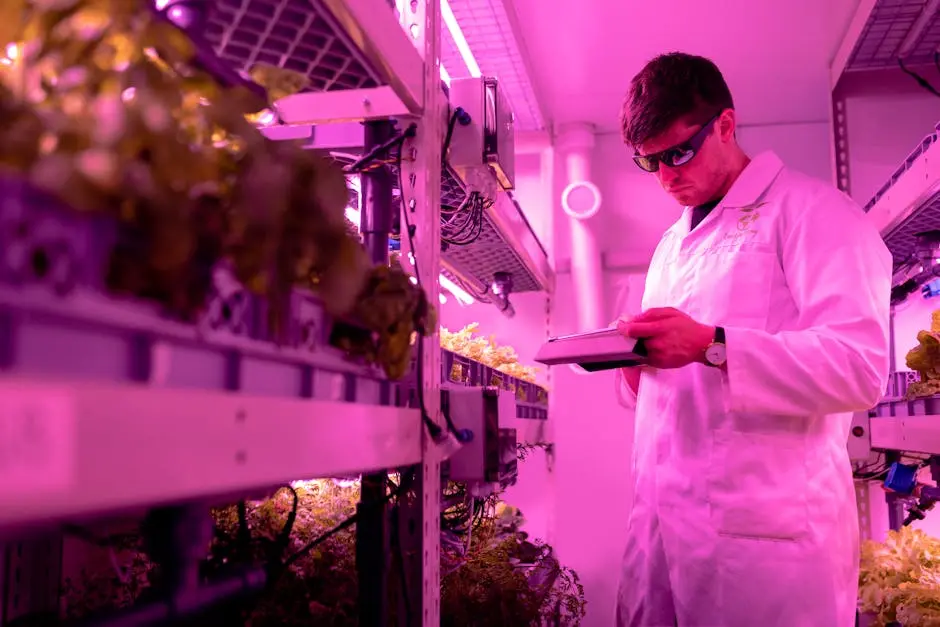
HVAC systems are crucial in indoor farming, providing precise climate control to create ideal growing environments. These systems manage temperature, humidity, and air circulation, ensuring that crops receive the optimal conditions to thrive. Understanding how these systems work is fundamental to appreciating their impact on indoor agriculture.
The integration of HVAC systems in indoor farming isn’t just a matter of comfort—it’s a necessity. Unlike traditional agriculture, indoor farming relies heavily on creating a simulated natural environment. This is where HVAC systems come in, seamlessly blending technology with agriculture to produce a controlled ecosystem. The importance of these systems cannot be overstated; the careful balance of temperature and humidity managed by HVAC systems makes it possible to grow crops regardless of external weather conditions. Such control is essential for maintaining consistent crop growth cycles and optimizing harvest schedules, making them indispensable for modern indoor farms.
Innovative Climate Control Technologies
Recent advancements in specialty HVAC technology have introduced smarter and more efficient climate control solutions. From advanced sensors to AI-driven systems, these innovations allow farmers to monitor and adjust growing conditions in real time. This level of control helps to maximize crop yields and maintain consistent quality.
The intersection of artificial intelligence (AI) with HVAC technology marks a significant leap forward in indoor agriculture. These AI systems analyze various factors like humidity, light, and plant photosynthesis rates to make real-time adjustments, thus optimizing the growing environment. Such use of data-driven insights not only helps in improving crop yields but also significantly reduces resource wastage. Furthermore, advanced sensors play a critical role by providing precise data to AI systems, leading to more nuanced control over the farm’s microclimate. This blend of innovation and precision is transforming specialty HVAC into a more intelligent and responsive aspect of indoor farming.
In addition to AI, there’s a growing trend towards integrating IoT (Internet of Things) in HVAC systems. These interconnected devices allow for remote monitoring and control of climate settings, providing farmers with flexibility and adaptability. With such technologies, it’s possible to detect and respond to any deviations in optimal growing conditions instantly. These capabilities enable farmers to focus more on strategic decisions rather than day-to-day operational concerns, empowering them to make informed decisions backed up by real-time data analytics.
Energy Efficiency and Sustainability
As the demand for indoor farming grows, so does the need for energy-efficient HVAC systems. Manufacturers are developing units that consume less energy while maintaining performance, thereby reducing operational costs and environmental impact. Implementing such systems supports sustainable farming practices by minimizing the carbon footprint.
One of the main challenges in indoor farming is balancing operational efficiency with environmental sustainability. Energy-efficient HVAC systems are at the forefront of addressing this challenge. By using advanced technologies like variable-speed compressors and advanced heat exchangers, these systems optimize energy use without compromising on performance. Energy efficiency doesn’t just translate to cost savings; it represents a commitment to sustainable practices that reduce the overall carbon footprint. Such innovations provide a pathway to make indoor farms more resilient and environmentally friendly, offering an eco-friendly alternative to traditional farming methods.
Sustainability in indoor farming isn’t solely dependent on technology but also on the integration of energy-efficient practices. The adoption of green energy sources, such as solar and wind, in tandem with energy-efficient HVAC systems, reinforces the drive towards zero-carbon farms. Additionally, new developments in geothermal and thermal energy storage systems are paving the way for more sustainable climate control. By tapping into these renewable resources, farmers can dramatically reduce their dependency on non-renewable energy, pushing the industry towards an eco-sustainable future.
Customization for Different Crops
One of the key benefits of specialty HVAC systems is their ability to be tailored to specific crop requirements. Whether growing herbs, leafy greens, or sensitive fruits, these systems allow farmers to customize settings to suit the particular needs of each plant type, ensuring healthy growth and optimal productivity.
Every plant has its unique set of requirements for optimal growth, and specialty HVAC systems cater to this diversity with remarkable precision. For instance, leafy greens might require more humid conditions compared to fruit-bearing plants like strawberries that thrive in drier settings. Specialty HVAC systems offer the flexibility to modify airflow, temperature gradients, and humidity levels according to the specific needs of different crops. This customization capability not only promotes healthier and more robust plant growth but also maximizes yield per square foot, which is crucial in the space-constrained settings of indoor farms.
Embracing HVAC Innovations for a Greener Future
The innovations in specialty HVAC systems are revolutionizing the indoor farming landscape, allowing growers to push the boundaries of what’s possible. By providing fine-tuned climate control, these systems not only enhance crop yields but also contribute to sustainable farming practices worldwide. As technology advances, the possibilities for indoor farming will continue to grow, leading to a greener future. To explore more about how these systems can benefit your farming practice, visit our homepage for additional resources and solutions.