


Venturing into indoor cultivation can seem daunting at first. However, with the right solutions and a little creativity, even new growers can create thriving green spaces indoors. Let’s explore some innovative ideas to get your indoor gardening journey started.
1. Vertical Gardens for Limited Spaces
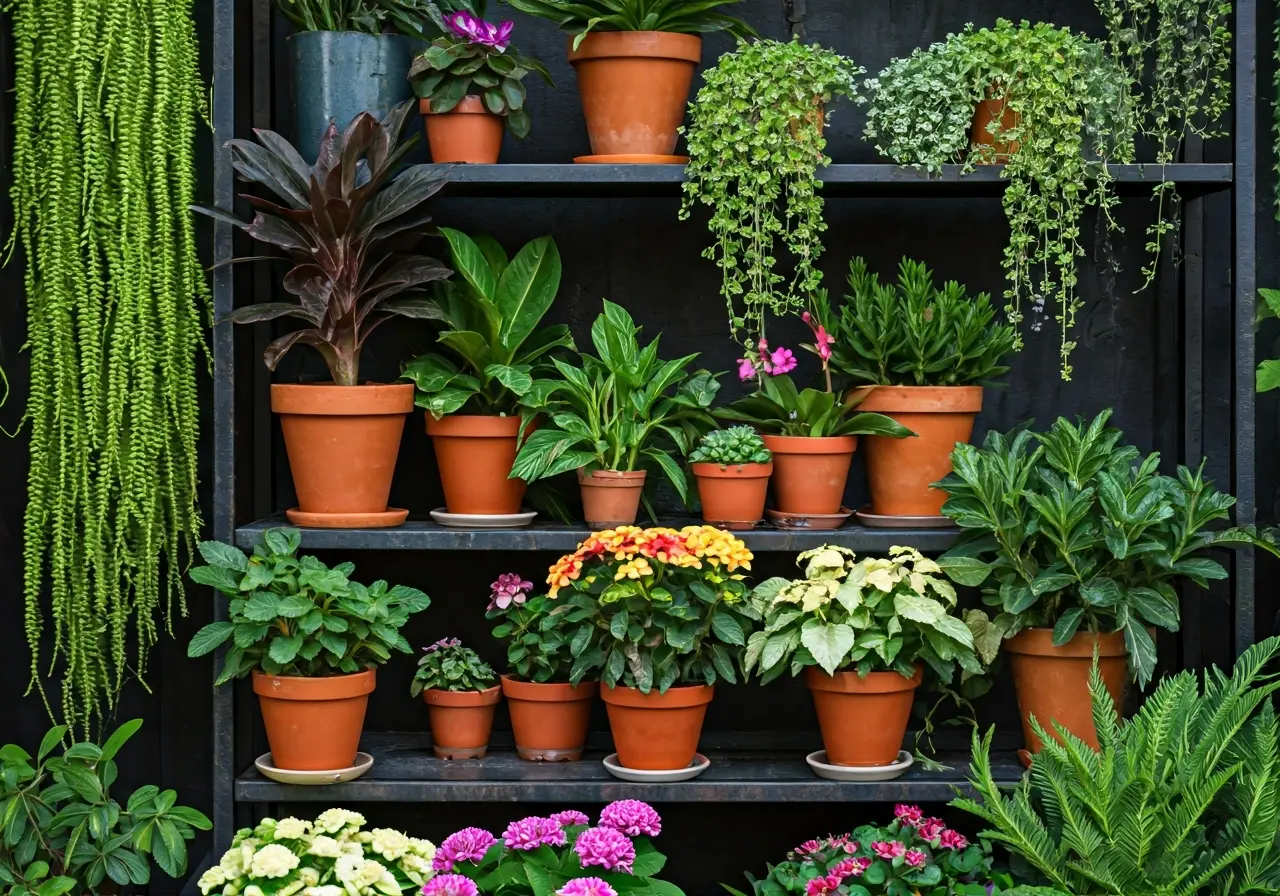
Make the most of your vertical space by using wall planters or stacking shelves. Vertical gardens provide an excellent way to grow more plants without sacrificing valuable floor area. The versatility of vertical gardening allows you to creatively use trellises, ladders, and vertical racks to accommodate various plant species. Even if you’re limited with just a small balcony or a single wall in your living room, integrating vertical gardening can transform it into a lush and vibrant area. The vertical garden not only serves a functional purpose by increasing your planting area but also adds an aesthetic element, turning plain walls into green canvases. Opt for plants like ivy or philodendrons that naturally climb, creating dynamic green curtains with minimal effort.
As you embark on your vertical journey, consider vertical planters and living walls for an elevated approach to urban gardening. These solutions are increasingly popular in urban environments where outdoor space is at a premium, and interior environments often need greening. Vertical farms can also help you optimize light exposure as plants receive equal lighting from top to bottom without being overshadowed. Remember, the key to a successful vertical garden is choosing the right plant combination, ensuring that each plant’s needs are met without congesting the space.
2. Hydroponic Systems for Water Efficiency
Perfect for those who want to optimize water usage, hydroponic systems allow for plant growth without soil. This method uses a nutrient-rich water solution, ensuring plants get the precise nourishment they need. With advances in technology, it’s easier than ever to set up a hydroponic system at home. The benefits of hydroponics are vast: faster plant growth, higher yields, and greater control over nutrient delivery are just a few of the rewards. For the beginner growers, kits are readily available and range from simple setups to more sophisticated automated systems.
To delve deeper into the benefits of hydroponic gardening, discover innovative hydroponic systems that significantly reduce the water footprint. These systems are not only water-efficient but also perfect for urban gardeners or those with limited space. Hydroponics eliminate the variables and complications of soil gardening, such as pests, weeds, and inconsistent watering. By investing in a hydroponic setup, you can foster your plants’ best environment, providing them only with the nutrients they need without the interference of soil bacterial unpredictability.
In the spirit of eco-friendly gardening, hydroponics are heralded for their sustainability. You’ve probably heard a lot of buzz around vertical hydroponics, as they are increasingly used in urban agriculture. These systems often use less water than traditional soil gardening and can even be built from repurposed materials, lending an element of sustainability. Finally, remember that even the most meticulous hydroponic system requires monitoring of pH levels and nutrient balance, but simple kits often come with sensors and apps that simplify this process.
3. Aquaponics for a Symbiotic Setup
Combine the best of aquaculture and hydroponics. Aquaponics creates a mini ecosystem where fish and plants help each other thrive. It’s a sustainable solution that new growers can effectively manage. Essentially, fish waste provides an organic nutrient source for the plants, and in return, the plants help purify the water for the fish. This symbiotic relationship minimizes waste and provides a continuous nutrient cycle, ultimately economizing water and labour.
For a comprehensive exploration of aquaponics, you might want to read about the benefits of aquaponic gardening which are well-documented in terms of sustainability and productivity. The beauty of aquaponics is the constant biofiltration, thanks to the added benefit of bacteria converting fish waste into usable plant food. This method is perfect not only for growing fresh vegetables but also for those interested in rearing small fish species, offering a holistic approach to food production.
Considering its closed-loop nature, aquaponics is particularly beneficial in water-stressed areas or for individuals aiming at reducing their environmental footprint. With patience and the right initial setup, aquaponic systems provide a rewarding gardening experience by fostering a thriving ecosystem right inside your house. Launch your attempt at aquaponics with a small setup such as goldfish in a tub and basil or lettuce as a starter plant, slowly expanding as you gain confidence and expertise.
4. Window Sill Herb Gardens
Utilize sunny window sills for growing herbs. These small spaces are perfect for cultivating popular kitchen herbs such as basil, parsley, and chives, keeping fresh ingredients within arm’s reach. The primary advantage of a window sill garden is harnessing natural light, aiding in the healthy growth of your herbs. Container gardening on window sills offers both convenience and an aesthetic enhancement to your kitchen or living space.
To start your window sill herb garden, you’ll need a few basics: pots with good drainage, high-quality potting soil, and of course, a selection of your favorite herbs. Looking for the best herbs to grow indoors? Consider the most productive window herb gardens to enjoy year-round harvests. Remember, herbs like rosemary and thyme thrive in sunny spots, while some, like mint, can do well even in partially shaded areas. Regularly pruning your herbs not only encourages bushier growth but also supplies you with fresh flavorings for your culinary needs.
5. Terrariums for a Miniature World
Create a lush, self-contained ecosystem with a terrarium. These miniature gardens are ideal for new growers and can serve as beautiful decor pieces. Whether you’re using a traditional glass container or a modern geometric design, terrariums offer a unique way to showcase a variety of small plants like ferns, mosses, or succulents.
For those intrigued by the concept of low-maintenance indoor gardening, consider creating terrariums as described in creative terrarium ideas. They’re perfect for small spaces and can be tailored to reflect your personal style. Keep in mind the fundamental rules for terrarium gardening: ensure your chosen container has drainage layers and be cautious about not overwatering, as terrariums have their own micro-climate where humidity can be quite intensive.
Why are terrariums excellent for novice gardeners? They provide an environment where humidity can naturally sustain plant life, reducing the frequency and intensity of care. Start by selecting plants that thrive under similar conditions, usually with low to moderate light requirements and a love for moist air. As you progress, don’t hesitate to experiment with more elaborate setups or incorporate decorative items like stones or miniature figures to add depth and dimension to your miniature green world.
6. Grow Tents for Controlled Environments
For growers who want full control over their plant’s environment, grow tents are an excellent choice. They provide controlled light, temperature, and humidity to optimize plant health. Offering a perfect solution for year-round cultivation, grow tents are equipped with reflective interiors that amplify the reach of your grow lights, enhancing plant photosynthesis efficiency.
Dive into the world of controlled cultivation with in-depth grow tent setups providing valuable insights into their advantages. Whether you aim to cultivate vegetables, herbs, or flowering plants, these tents provide unparalleled control over climate variables. Simply put, grow tents allow both amateur and experienced horticulturists to mimic the exact growing conditions their plants require without external climate influences impacting growth cycles.
Within the confines of a grow tent, every plant aspect can be manipulated, from lighting spectra to airflow and nutrient absorption rates. This control means that even if you’re located in an area with less-than-ideal outdoor growing conditions, you can ensure your crops receive the perfect ecosystem indoors. This way, you cultivate both a hobby and ensure a continuous production of your favorite plants year-round. Happy growing!
7. Hanging Planters to Beautify Ceilings
Add a unique touch to your indoor space with hanging planters. This solution not only highlights beautiful trailing plants but also saves room on counters and shelves. Perfect for creating a tranquil environment encircling you with greenery, these planters can be crafted from various materials, enabling customization to match any decorative style.
Explore enchanting hanging planter designs through hanging garden inspiration to elevate your interior design. When choosing plants for hanging containers, options abound: think of the elegance of spider plants dangling from rope baskets or the lush ferns cascading down in green tapestries. Even flowering plants can thrive when suspended, bringing floral bursts into your home.
8. Smart Garden Devices for Tech Savvy Growers
Integrate technology into your gardening with smart garden devices. These gadgets provide automated lighting, watering, and climate controls, ideal for beginners who need a little extra guidance. Whether it’s a networked irrigation system or Bluetooth-connected grow lights, this tech is about making cultivation as carefree as possible.
For an in-depth guide on making your gardening experience smarter, take a peek at advances in indoor smart gardening. Such technology offers a helping hand for those still learning the ropes of plant care, ensuring reliable schedules for watering and feeding. These systems can even alert you when water levels are low or nutrient solutions need replenishing, ensuring that your plants are consistently happy and healthy.
9. Seed Starting Stations to Kickstart Growth
Seed starting stations are a great way to jumpstart your growing season. With proper lighting and support, you can begin nurturing young plants before transferring them to larger spaces. Seed stations provide a controlled habitat for seedlings, shielding them from temperature fluctuations and harsh weather conditions.
Prepare for successful gardens with insight into seed starting essentials helping you set up your equipment efficiently. By simulating ideal growing conditions indoors, you can give your seeds the best possible start. From tray inserts and humidity domes to appropriate grow lamps, these setups offer the tools needed to raise healthy seedlings ready for transplantation.
10. Living Walls for a Statement Piece
Transform any wall into a vibrant statement piece with living walls. This solution not only serves decorative purposes but also improves indoor air quality and ambiance. Featuring luscious greenery or a palette of colorful blooms, these vertical structures break conventional design norms, offering dynamic and living interior decor.
Discover the elegance and environmental benefits of living wall systems for homes and public buildings alike. Whether installed indoors or on exterior facades, they offer a mesmerizing focal point that engages the senses. Plus, these vertical gardens naturally help purify the air by absorbing toxins and regulating humidity, making them not just visually appealing but also beneficial for your health.
11. DIY Self-Watering Planters for Easy Care
Craft your own self-watering planters to simplify your plant care routine. These planters ensure consistent moisture levels, allowing plants to thrive with minimal effort. By designing these self-sufficient systems, you can rest assured knowing your plants won’t suffer from drought stress, even if you occasionally forget to water them.
For more efficient plant care solutions, check out DIY self-watering planter tips ensuring plants receive water whenever required. These planters are especially useful for busy individuals or frequent travelers, providing peace of mind that their plants will not only survive but truly flourish in their absence. Explore materials you can use and the various designs to custom build your self-watering solution to suit your space and style.
12. Repurposed Materials for Sustainable Solutions
Embrace sustainability by repurposing materials like mason jars, old pallets, or bottles as creative planters. This not only reduces waste but also adds a personal touch to your garden. With a bit of creativity, everyday items can be transformed into beautiful and functional planting vessels.
To invigorate your sustainable gardening practices, explore creative ideas for using upcycled materials in your garden, helping to cultivate environmental consciousness. By using recycled materials, you’re innovatively sculpting planting solutions that are as kind to the ecosystem as they are unique in their appearance. This approach not only saves resources but also helps in creating personalized garden aesthetics that narrate your own story and eco-commitment.