


In the ever-evolving world of agriculture, innovation takes on many forms. One such innovative approach is Controlled Environment Agriculture (CEA), a method that offers a way to grow crops with precision and efficiency. But why is the design aspect so crucial to successful CEA? Let’s delve into the world of CEA and uncover the pivotal role that design plays.
Understanding Controlled Environment Agriculture
Controlled Environment Agriculture, or CEA, refers to the agricultural practices that occur in a controlled environment, allowing growers to regulate factors such as temperature, light, humidity, and nutrients. This type of agriculture is especially significant in areas with harsh climates or limited arable land, providing a way to grow crops all year round.
The fundamental essence of CEA lies in its ability to simulate natural conditions while providing enhanced control over environmental variables. At its core, CEA aims to optimize plant growth through precision management. As opposed to traditional farming, which is subject to fluctuating seasonal and climatic conditions, CEA provides a stable, consistent environment, ensuring productivity no matter the external factors. Whether it’s a blazing summer or a freezing winter, plants within a CEA system can thrive in their tailored environment.
Furthermore, CEA’s controlled conditions facilitate experiments and research into crop growth, allowing for innovations in crop types and yields. This makes it a beacon for future food security, especially in urban areas where land is sparse. By harnessing technology, CEA creates opportunities for growth and sustainability, addressing the needs of our increasing global population.
The Role of Design in CEA Systems
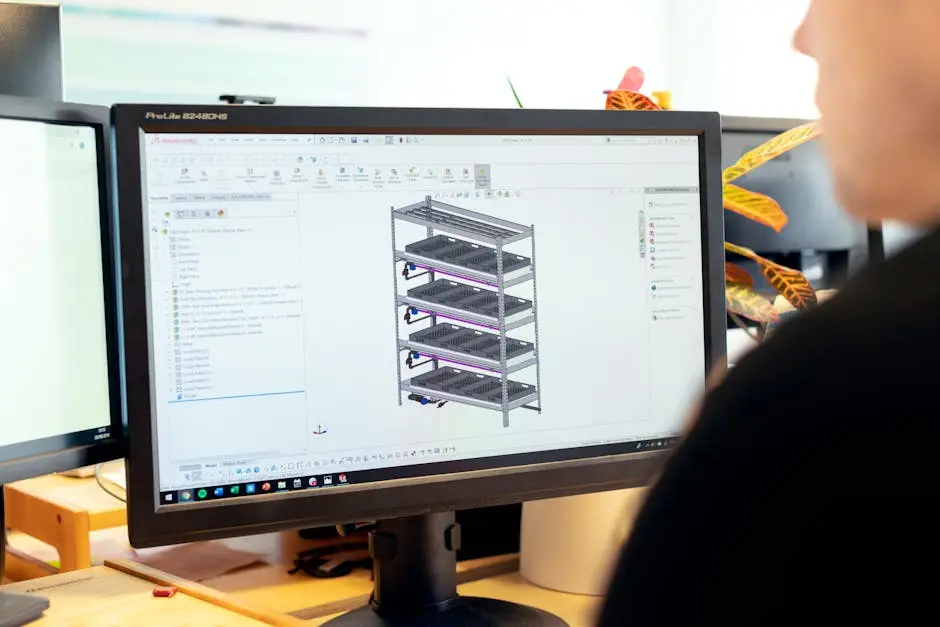
Design is at the heart of any successful CEA system. It encompasses everything from the layout of growing stations to the choice of lighting and climate control systems. A well-designed system ensures that resources are used efficiently and that plants are given the best conditions to thrive.
Consider the way lighting systems are incorporated. Using artificial lighting, such as LED systems, can mimic the intensity and spectrum of sunlight, which is crucial for photosynthesis. This means that plants can grow indoor as effectively as they would outdoors. Meanwhile, layout design influences the efficiency of resource distribution. For instance, modular setups can be tailored for different types of plants, making adjustments simpler when scaling operations or testing different crops.
In addition to lighting, the design involves intricate climate control, ensuring precise temperatures, humidity levels, and CO2 concentrations. Each of these elements impacts how well plants can photosynthesize, directly affecting their growth and yield. A poorly designed system might lead to inconsistent growth rates and, ultimately, a lower output.
Key Design Elements for Success
Several design elements are critical to the success of CEA. These include lighting systems that mimic natural sunlight, hydroponic systems that provide hassle-free water delivery, and climate controls that maintain ideal growing conditions. The integration of technology such as automation and data monitoring can further optimize these designs.
Automation in design can’t be overstated. By incorporating IoT devices and sensors, data collection becomes streamlined and accurate. This data can be analyzed to make real-time adjustments to optimize growth conditions continually. Imagine a setup where nutrient levels, light exposure, and even pest control are automated based on precise measurements. This approach not only augments productivity but also results in significant energy savings, making CEA a cost-effective solution.
Hydroponic systems are another cornerstone of effective CEA design. These systems eliminate the need for soil, allowing for nutrient-rich solutions to foster plant growth directly through the water medium. This system reduces water usage by up to 90% compared to traditional agricultural methods and ensures that plants receive tailored nutritional formulations at all stages of growth.
Sustainability Considerations in CEA Design
Sustainability is another vital aspect to consider in design. Efficient energy use, water conservation, and waste reduction are all integral to ensuring that CEA systems are not only effective but also environmentally friendly. Thoughtful design choices can substantially reduce the ecological footprint of CEA operations.
One of the significant ways to achieve sustainability is through the use of renewable energy sources such as solar or wind power to drive operations. By doing this, CEA operations minimize their reliance on non-renewable resources, reducing their carbon footprint substantially. Furthermore, implementing closed-loop water systems can recycle water multiple times, minimizing wastage.
The Future of CEA Design
As technology continues to advance, the future of CEA design looks promising. Innovations like vertical farming, AI-driven growth management, and advanced sensing technologies are set to revolutionize the way we think about growing plants. By continually refining and enhancing design practices, the potential for CEA to address food security challenges globally is immense.
Vertical farming exemplifies the strides made in space optimization, enabling large yields in constrained areas. This method not only maximizes space but also leverages gravitational energy effects for enhanced nutrient and water delivery across plant rows. As an anchor for future developments, integrating AI and machine learning algorithms can predict plant diseases, optimize nutrient solutions, and monitor plant health without human intervention. These technologies provide a promising outlook for achieving sustainable urban agriculture
Harnessing the Power of Thoughtful Design in CEA
Design in Controlled Environment Agriculture is not just about aesthetics; it is the foundation of creating a sustainable and efficient growing system. From optimizing plant growth to maximizing resource use, thoughtful and deliberate design choices are what will gear your CEA projects for long-term success. For more information on how our solutions can help you design the most effective CEA systems, visit our homepage.