


Optimizing the HVAC system in your cannabis facility is crucial to ensure optimal growth conditions and energy efficiency. In this guide, we’ll walk you through key steps to enhance your system, making it easier to maintain the perfect environment for your plants.
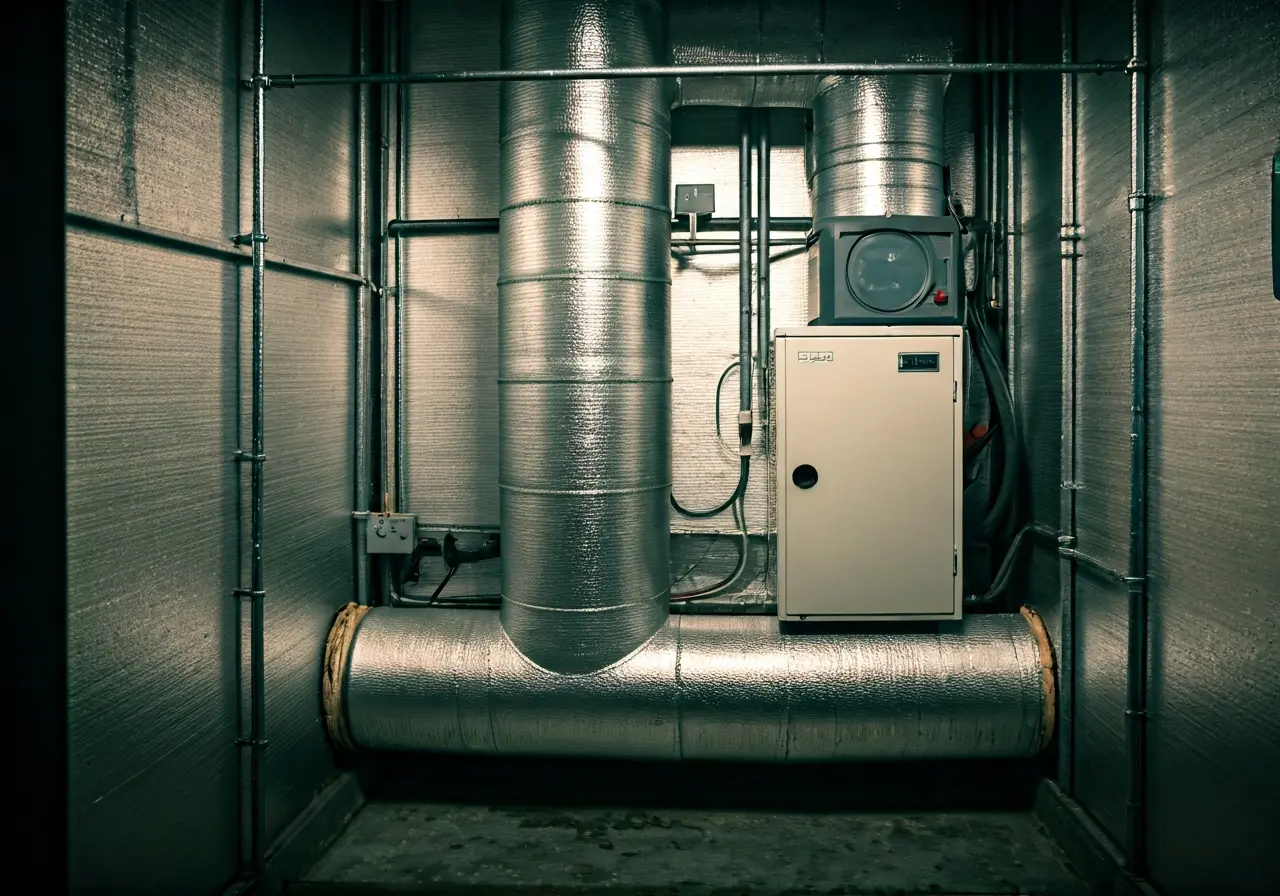
1. Understanding the Importance of HVAC Systems
Before diving into optimizations, it’s important to understand why HVAC systems are critical for cannabis facilities. They regulate temperature, humidity, and airflow, all vital for plant health. The HVAC system creates the perfect environment that cannabis plants need for thriving. Without proper control over environmental conditions, plants can become stressed, leading to poor-quality yields.
Moreover, the right HVAC setup helps in reducing the risk of pest infestations and diseases. An optimal airflow system, for instance, prevents the buildup of humid pockets that could harbor mold and mildew. Accurate temperature control is also significant, as cannabis plants are extremely sensitive to temperature fluctuations.
In short, the HVAC system is the heartbeat of any cannabis grow operation, ensuring the plants get everything they need to flourish. An efficient system not only enhances plant growth but also contributes to energy savings, a critical aspect when considering the typical high energy demand of these facilities.
2. Assessing Your Current System
Start by evaluating your current HVAC setup. Identify areas that need improvement, such as inconsistent temperatures or inefficient energy usage. Consider using energy audit services to pinpoint inefficiencies in your system. These audits can provide insights into how the current system runs and where it could be losing energy.
Pay attention to signs like fluctuating temperatures, unusual noises, or increased energy bills—all of which could suggest areas for improvement. It’s crucial to have a comprehensive understanding of what your system is doing well and where it’s falling short. This evaluation helps in setting a baseline to measure the effectiveness of any upgrades you implement.
3. Implementing Energy-Efficient Solutions
Energy efficiency is key. Implement solutions like variable speed drives and smart controls to optimize energy consumption without compromising on performance. Variable speed drives allow HVAC systems to adjust motor speeds to match the demand, which is a great way to save on energy costs. Similarly, smart controls provide remote monitoring and management capabilities, allowing for fine-tuning of the system to suit the plants’ needs.
Additionally, consider integrating energy recovery ventilators. These systems recuperate energy from the exhaust air, using it to treat incoming fresh air. By doing this, you’re not only keeping the energy consumption low but also maintaining a constant influx of fresh air—an absolute requirement for robust cannabis growth.
4. Ensuring Proper Ventilation
Good ventilation is crucial for air quality and reducing mold risks. Ensure your system supports enough airflow to maintain a clean and healthy environment. Proper ventilation helps in maintaining the right levels of carbon dioxide and oxygen, both of which can significantly influence plant growth.
Consider installing high-efficiency particulate air (HEPA) filters to reduce airborne particles and ensure the right level of air exchange per hour. Doing so not only keeps the atmosphere clean but also mitigates potential contagions that thrive in stagnant air conditions.
5. Maintaining Ideal Temperature and Humidity Levels
Consistent temperature and humidity levels are essential. Calibrate your system to maintain these conditions to support plant growth. A small shift in these variables can trigger stress responses in the plants, affecting their growth and yield output.
Using automated systems that monitor and adjust temperature and humidity helps in keeping things simplified and under control. This not only improves yield quality but reduces labor costs by automating one of the most labor-intensive aspects of cannabis cultivation.
6. Regular Maintenance and Inspections
Routine maintenance and inspections are vital. Schedule regular check-ups to ensure your system remains efficient and catches potential issues early. Maintenance includes cleaning, lubricating components, and replacing worn-out parts.
Preventive maintenance goes a long way in extending the lifespan of your HVAC system. By catching minor problems before they turn into major ones, you not only save on repair costs but also avoid downtime—a critical factor that can directly affect plant health.
7. Upgrading HVAC Components as Needed
Sometimes, upgrades are necessary. Evaluate whether components like filters or thermostats need replacement for more efficient operation. If you notice that your system isn’t performing to its potential despite regular maintenance, it might be time for an upgrade.
High-efficiency parts, although initially costly, often save money in the long term through enhanced performance and reduced energy usage. It’s also worth considering upgrading to more sophisticated monitoring equipment that can offer insights and projections for future needs.
8. Training Staff on Best Practices
Ensure your staff is well-informed about HVAC best practices. Training can help avoid common mishaps and promote system longevity. Understanding the rationale behind regular checks and emergency responses can make a significant difference in your operation’s success.
Knowledgeable staff can also help identify symptoms of malfunction early and possibly rectify minor issues before they result in costly repairs or downtimes. Staff training is therefore an excellent investment for the long-term productivity and health of your facility.