


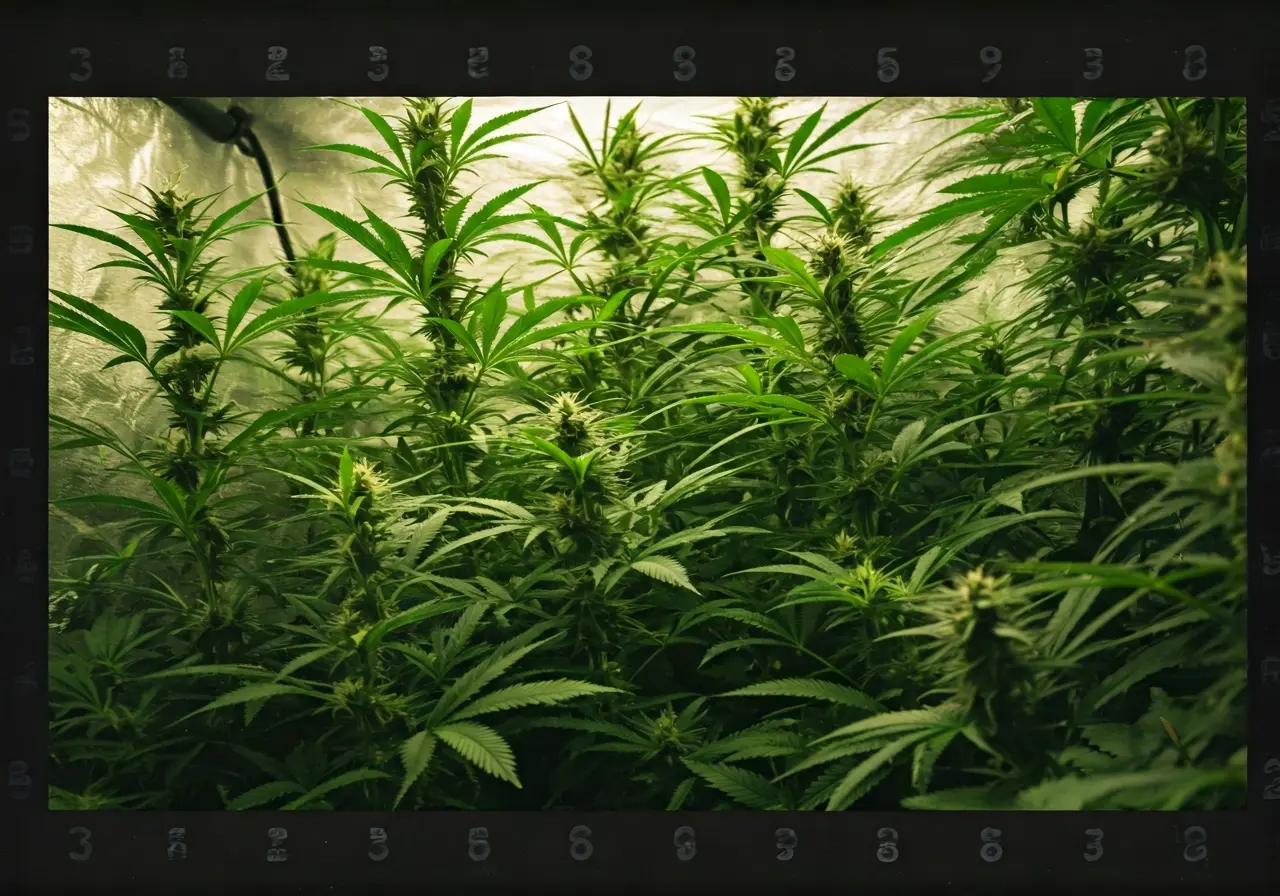
Cannabis cultivation is both an art and a science. The design of your cultivation environment can have a major impact on the quality and yield of your cannabis. Let’s dive into the key elements of cannabis cultivation design that can enhance your crop’s productivity and potency.
Understanding the Basics of Cannabis Cultivation Design
Before diving into the specifics, it’s important to understand the foundational elements of cannabis cultivation design. A well-thought-out design supports healthy plant growth and maximizes yield, offering optimal conditions for each cultivation stage. The first step is choosing an appropriate space that aligns with your cultivation goals, whether it’s a small indoor grow area or a larger greenhouse setup. The type of space will dictate many other design decisions, including lighting, airflow, and temperature control.
Air circulation is another critical factor. Proper airflow helps to regulate temperature and humidity, while also aiding in the prevention of mold and pests. Ventilation systems should be designed to facilitate efficient air exchange, mimicking natural conditions as closely as possible. This can be achieved through exhaust fans, oscillating fans, and strategically placed vents.
Lighting: A Critical Component for Quality Growth
Lighting is fundamental in cannabis cultivation. The right lighting setup can significantly enhance plant growth, affecting both quality and yield. We’ll explore different lighting options, such as LEDs and HPS, and how each impacts your plants. For example, LED lights are energy-efficient and can be tailored to specific wavelengths that benefit different growth stages, from seedling to flowering. They also generate less heat, reducing the risk of scorching and allowing plants to grow closer to the light source.
On the other hand, High-Pressure Sodium (HPS) lights are known for their ability to produce high-intensity light, which can result in larger buds and higher yields. However, they do generate more heat, which means you need to balance them with proper cooling systems. Understanding the differences between lighting options ensures that you optimize your setup for both plant health and energy efficiency.
Climate Control: Balancing Temperature and Humidity
Maintaining the perfect balance of temperature and humidity is vital for healthy cannabis cultivation. Learn how climate control can prevent mold and promote robust growth while ensuring each plant reaches its full potential. Cannabis plants generally prefer a consistent temperature range, typically between 70 to 85°F during the day and slightly cooler at night. Humidity levels should be adjusted based on the plant’s life stage, requiring higher humidity in the vegetative phase and lower during flowering.
Investing in reliable climate control equipment is essential. Tools like heaters, air conditioners, dehumidifiers, and hygrometers help regulate environmental conditions. Regular monitoring and adjusting of these factors are crucial, as fluctuations can stress plants and adversely affect their development. With technology advancements, smart thermostats and remote sensors provide real-time data, allowing growers to make informed adjustments to their cultivation environment.
Soil vs. Hydroponics: Choosing the Right Medium
The growing medium can drastically affect cannabis quality and output. Compare the benefits and challenges of soil and hydroponic systems to decide which is best suited to your cultivation goals. Soil is a traditional choice, favored for its natural nutrients and ability to support microbial life, which can enhance plant health. It’s also more forgiving in terms of pH and nutrient fluctuations.
Conversely, hydroponic systems offer precision and control, delivering nutrients directly to the plant roots in a water-based solution. This method can lead to faster growth and higher yields because the plants can absorb nutrients more efficiently. However, it requires meticulous maintenance of water pH and nutrient levels. Each system has its pros and cons, and the right choice depends on your cultivation style, the scale of operations, and available resources.
Efficient Resource Management for Sustainable Cultivation
Resource management, including water usage and nutrient delivery, is essential for sustainable cannabis cultivation. Discover how efficient design can reduce waste and improve the overall health of your plants. Implementing water-saving techniques like drip irrigation can significantly reduce consumption while ensuring that plants receive the right amount of moisture.
Nutrient management is equally important. By using controlled-release fertilizers or nutrient solutions, growers can tailor plant feeding schedules, minimizing runoff and environmental impact. Furthermore, adopting sustainable practices such as composting and recycling growing materials not only supports plant health but also contributes to eco-friendly cultivation. Cultivation design that prioritizes sustainability not only conserves natural resources but also can lead to cost savings in the long run.
Conclusion: Crafting the Perfect Cultivation Space
In conclusion, the design of your cannabis cultivation environment plays a crucial role in determining the quality and yield of your harvest. By focusing on essential elements such as lighting, climate control, and resource efficiency, you can create a thriving environment for your plants, leading to a successful and satisfying cultivation experience. To start building your perfect cultivation environment, visit our homepage for more information.