


Cannabis cultivation technology has evolved rapidly in recent years, offering new tools and methods for growers. From improving yield to enhancing quality, innovations are making waves in the industry. Let’s explore some of the most exciting advancements shaping the future of cannabis cultivation.
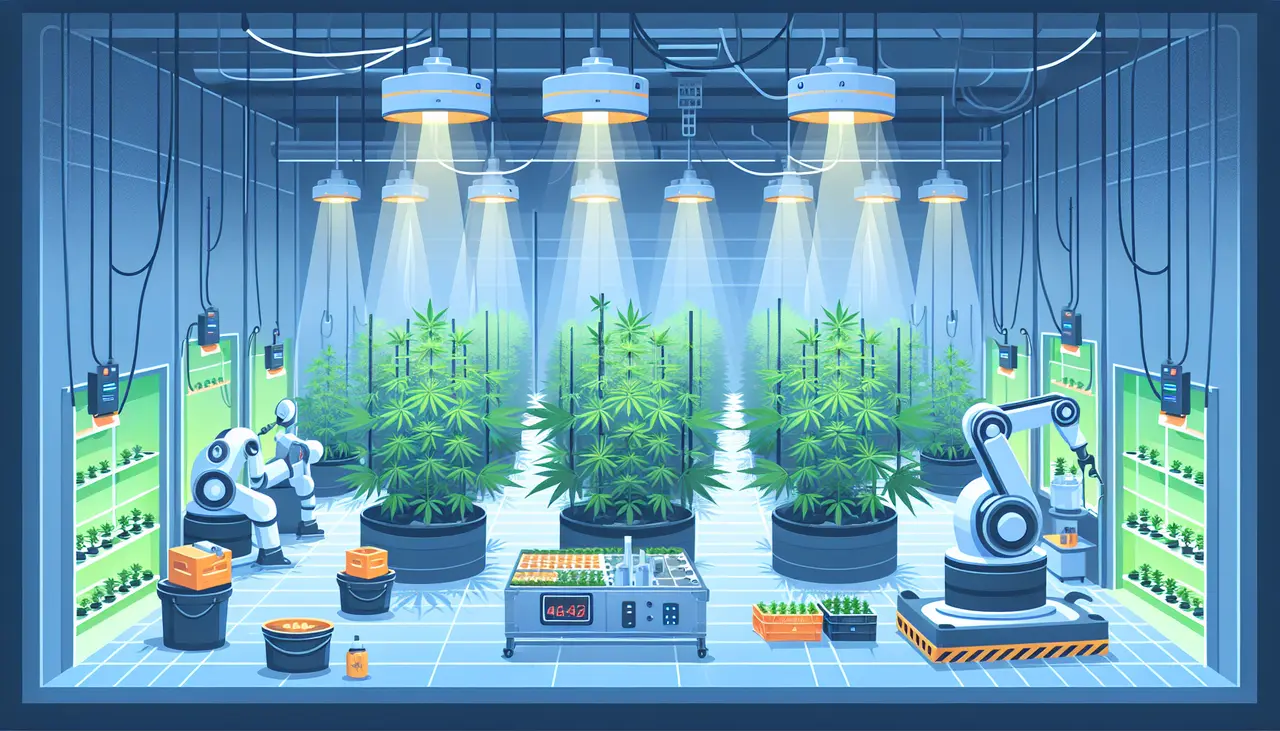
Smart Sensors and Monitoring Systems
The introduction of smart sensors in cannabis cultivation has been a game-changer. These devices provide real-time data on critical environmental variables, such as soil moisture, pH balance, and nutrient levels. This continuous stream of information enables growers to fine-tune their growing conditions, leading to healthier plants and increased yields. For instance, detecting fluctuations in soil moisture allows for precise watering, preventing issues like root rot or nutrient lockout.
Additionally, integrated monitoring systems alert growers to potential problems before they escalate. These systems help maintain optimal conditions by sending notifications directly to a grower’s smartphone or computer, ensuring timely interventions. As a result, plants experience less stress, fostering robust growth and bountiful harvests.
Automated Grow Systems
In the realm of automation, advancements have made it possible for cannabis growers to focus more on strategy and less on repetitive tasks. Automated grow systems manage the complex needs of cannabis plants by using sophisticated algorithms that adjust irrigation schedules, nutrient distribution, and lighting cycles based on the specific growth stage of the plants.
One of the key benefits of these systems is the reduction of human error and labor cost, making large-scale operations more feasible. Small and medium-sized enterprises can also benefit by freeing up resources to focus on research and development or market expansion. By employing automated nutrient delivery systems, for example, growers ensure that each plant receives the exact nutrients it requires, thereby promoting uniform growth and reducing waste.
In combination with predictive analytics, automated systems have the potential to transform cultivation practices, paving the way for more precise and sustainable methods, giving growers a cutting edge in this competitive market.
LED Lighting Innovations
LED technology has advanced remarkably, providing growers with lighting solutions that are both energy-efficient and highly adaptable. The ability to adjust light spectra and intensity throughout various growth stages means plants receive optimal light conditions, enhancing photosynthesis and boosting yields.
Many growers are transitioning from high-intensity discharge (HID) lights to LEDs because the latter significantly reduce electricity costs. Moreover, the decreased heat production associated with LED lights minimizes the need for extensive cooling systems, saving further on energy expenses. This is particularly important for indoor growers seeking to reduce operational costs without compromising on plant health.
Vertical Farming Techniques
Vertical farming is reshaping the landscape of cannabis cultivation, especially in urban areas where space is sparse and expensive. By stacking layers of crops vertically, growers can maximize space, producing significantly more per square foot than traditional setups.
The appeal of vertical farming lies in its sustainability and resource efficiency. Systems can integrate hydroponics or aeroponics, which use less water compared to traditional soil-based methods. Additionally, utilizing the latest vertical farming technology allows for seamless integration with other automation systems, enabling precise control over growing environments.
These systems not only optimize spatial efficiency but also allow for year-round cultivation, regardless of weather conditions, ensuring consistent supply and quality of cannabis.
Gene Editing and Breeding Innovations
Recent advances in gene editing technologies, such as CRISPR, permit unprecedented manipulation of cannabis plant genetics. This has opened the door to breeding resilient cannabis strains that not only have higher yields but also better resistance to pests and diseases.
The quest for enhancing cannabinoid profiles through selective breeding and gene editing has ushered in a new era for the cannabis industry. Researchers can now focus on increasing desirable traits such as THC and CBD concentrations, tailoring crops to fit specific market needs. The result is a spectrum of cannabis products that cater to a broader range of consumer preferences, whether medicinal or recreational.
While these innovations offer immense potential, ethical and regulatory considerations remain at the forefront of discussions. Understanding the implications of genetically modified cannabis is crucial for shaping future policies that govern its safe and effective application.
Embracing the Future of Cannabis Cultivation
The world of cannabis cultivation is in the midst of a technological revolution. By embracing these innovations, growers can optimize their processes, increase yields, and improve product quality. Staying informed and adapting to these changes is key for anyone involved or interested in the dynamic field of cannabis cultivation.