


Cannabis cultivation is both an art and a science that requires thoughtful design and attention to detail. Whether you are a novice grower or a seasoned expert, understanding the fundamentals of cultivation design can significantly impact your success. In this article, we’ll explore the essential aspects of designing a cannabis cultivation space that is efficient, productive, and sustainable.
Importance of Site Selection
Choosing the right location for your cannabis grow can be the most critical decision you make. Factors such as climate, accessibility, and security play vital roles in site selection. Understanding your regional conditions and ensuring that they align with the needs of cannabis plants can set the foundation for a bountiful harvest.
Location is everything in cannabis cultivation. A microclimate that is too humid might promote mold growth, while arid conditions could stress the plants. Ensuring optimal sunlight exposure and proximity to essential resources like water and power can influence not only the growth cycle but also the efficiency of your operations. Moreover, keeping in mind security measures is crucial to protect your investment from unauthorized access. Accessibility for both resources and staff can streamline operations, reducing unnecessary delays and operational costs.
Furthermore, the legal aspect of site selection can’t be ignored. Knowing the zoning laws and obtaining the necessary permits can prevent legal hiccups down the line. It’s important to work with local authorities to understand any community concerns and comply with regulatory standards. All these steps are foundational, reinforcing the importance of site selection in creating a thriving environment for your cannabis cultivation.
Creating an Ideal Growing Environment
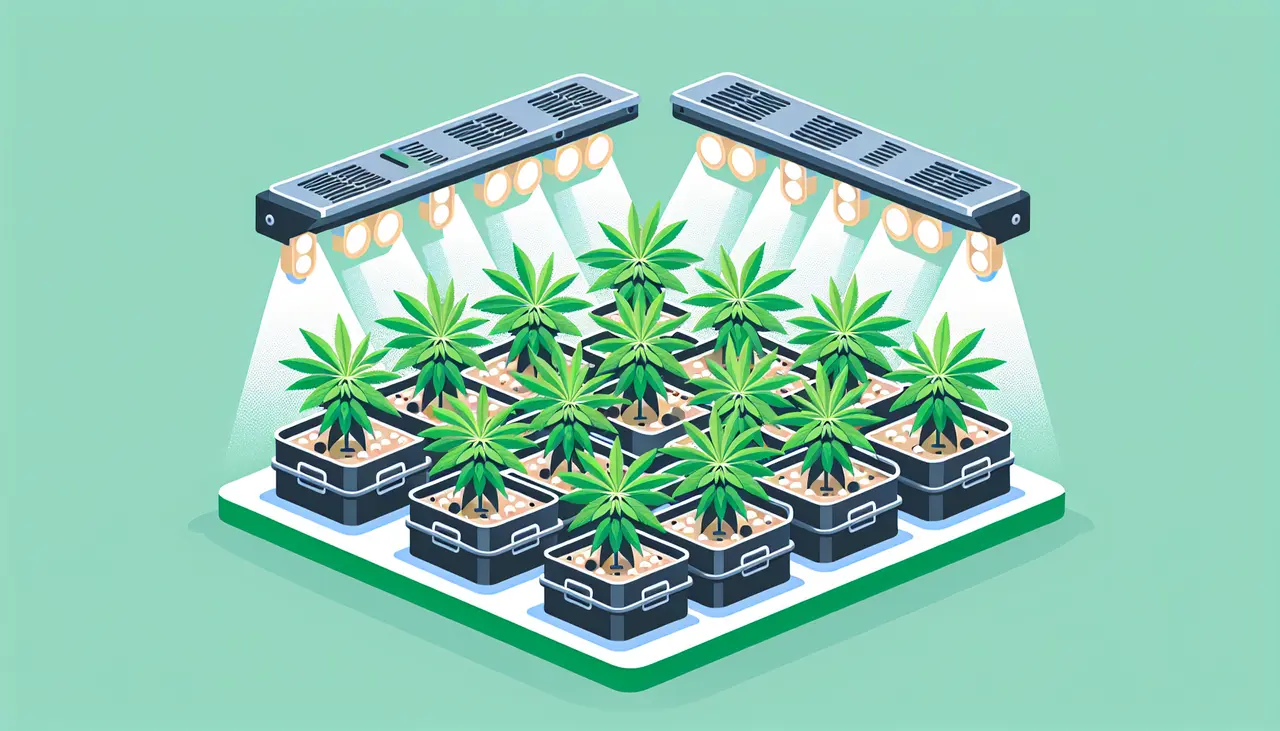
Designing a conducive growing environment involves controlling key elements such as lighting, temperature, humidity, and air circulation. From selecting the right grow lights to implementing HVAC systems, each component works together to mimic the natural growing conditions needed for healthy cannabis plants.
Lighting is one of the most critical components of an ideal growing environment. Natural sunlight is often supplemented with grow lights, providing the specific spectrum of light that cannabis plants require for photosynthesis and development. Balancing this with proper temperature control ensures that the plants do not experience heat stress, which can lead to wilting or reduced yields.
Air circulation is another crucial aspect. Poor air flow can result in hot spots and elevated humidity, leading to mold and mildew. Installing adequate ventilation systems helps maintain a fresh air supply while removing excess moisture and controlling temperature. High-efficiency particulate air (HEPA) filters are often employed to reduce the risk of airborne pests and diseases further enhancing plant health. Combining these elements is vital for cultivating a robust, high-yield crop.
Understanding Nutrient and Water Systems
A well-designed nutrient and water delivery system is crucial for cannabis health. Covering the basics from hydroponics to drip irrigation, learn how to ensure your plants receive the right amount of nutrients and water without over or under saturation, affecting growth negatively.
Nutrient management begins with understanding the specific needs of cannabis at each growth stage. While younger plants require a nitrogen-rich diet, flowering stages demand higher levels of phosphorus and potassium. This knowledge allows growers to tailor nutrient mixes, optimizing growth and maximizing yields. Hydroponic systems, which deliver nutrients directly through water, offer precision and efficiency, minimizing the risk of nutrient wastage and imbalances.
Water delivery systems should ensure consistent moisture levels without risking root rot or over-saturation. Drip irrigation systems are favored for their ability to provide targeted hydration, reducing evaporation loss. Automated watering systems, often paired with sensor technology, can monitor soil moisture levels and adjust watering schedules as needed, promoting efficient resource use and reducing manual labor.
Implementing Pest and Disease Management
Protecting your cannabis plants from pests and diseases requires proactive strategies. Integrated Pest Management (IPM) is a sustainable approach that combines biological, cultural, and chemical control measures to minimize risks while maintaining environmental safety.
One of the most effective pest management strategies is prevention. Quarantine new plants to avoid introducing pests and maintain a sanitary growing environment to reduce pest attraction. Regular monitoring and early detection are key, using tools like sticky traps and regular plant inspections to catch problems before they escalate. Biological control methods, such as introducing beneficial insects like ladybugs and predatory mites, help manage pest populations naturally and sustainably.
In cases of severe infestations, chemical controls may be necessary. However, they should be used judiciously within an IPM framework to minimize harm to non-target organisms and prevent chemical resistance. Always opt for eco-friendly pesticides when possible, keeping your operations healthy and environmentally responsible.
Incorporating Sustainability Practices
Sustainable cultivation design is not only beneficial for the environment but can also reduce operational costs in the long run. Techniques such as water conservation, energy efficiency, and organic farming practices are pivotal in creating a responsible and sustainable cannabis cultivation operation.
Water conservation strategies include the use of rainwater collection systems and greywater recycling, which reduce dependence on freshwater sources and help maintain ecological balance. Energy efficiency is another critical facet, with many growers investing in efficient LED lighting and optimized HVAC systems to cut energy consumption dramatically. Organic farming practices reduce the use of synthetic fertilizers and pesticides, promoting healthier soil and ultimately producing a more appealing product for environmentally conscious consumers.
Incorporating sustainability practices goes beyond environmental benefits; it’s a strategic advantage. Consumers and regulators alike are placing increasing emphasis on environmentally responsible practices, making sustainability not just an ethical choice but a market advantage. For instance, implementing energy-efficient designs and renewable energy sources can dramatically cut operational costs over time, bolstering profitability while reducing the carbon footprint.
Drawing It All Together
Mastering the essentials of cannabis cultivation design is key to a successful growing operation. By integrating careful site selection, an ideal setup, effective pest management, and sustainable practices, you can create a thriving environment for your cannabis plants. Taking these elements into account will not only enhance your yield but also promote a healthier and more sustainable cultivation practice.