


Cultivating cannabis can be an exciting and rewarding endeavor, whether you’re doing it for personal enjoyment or as a professional pursuit. However, efficient design is critical to maximizing yields and minimizing costs. In this guide, we’ll explore the key aspects of creating a successful cannabis cultivation space, ensuring that both new and experienced growers can benefit from optimized design strategies.
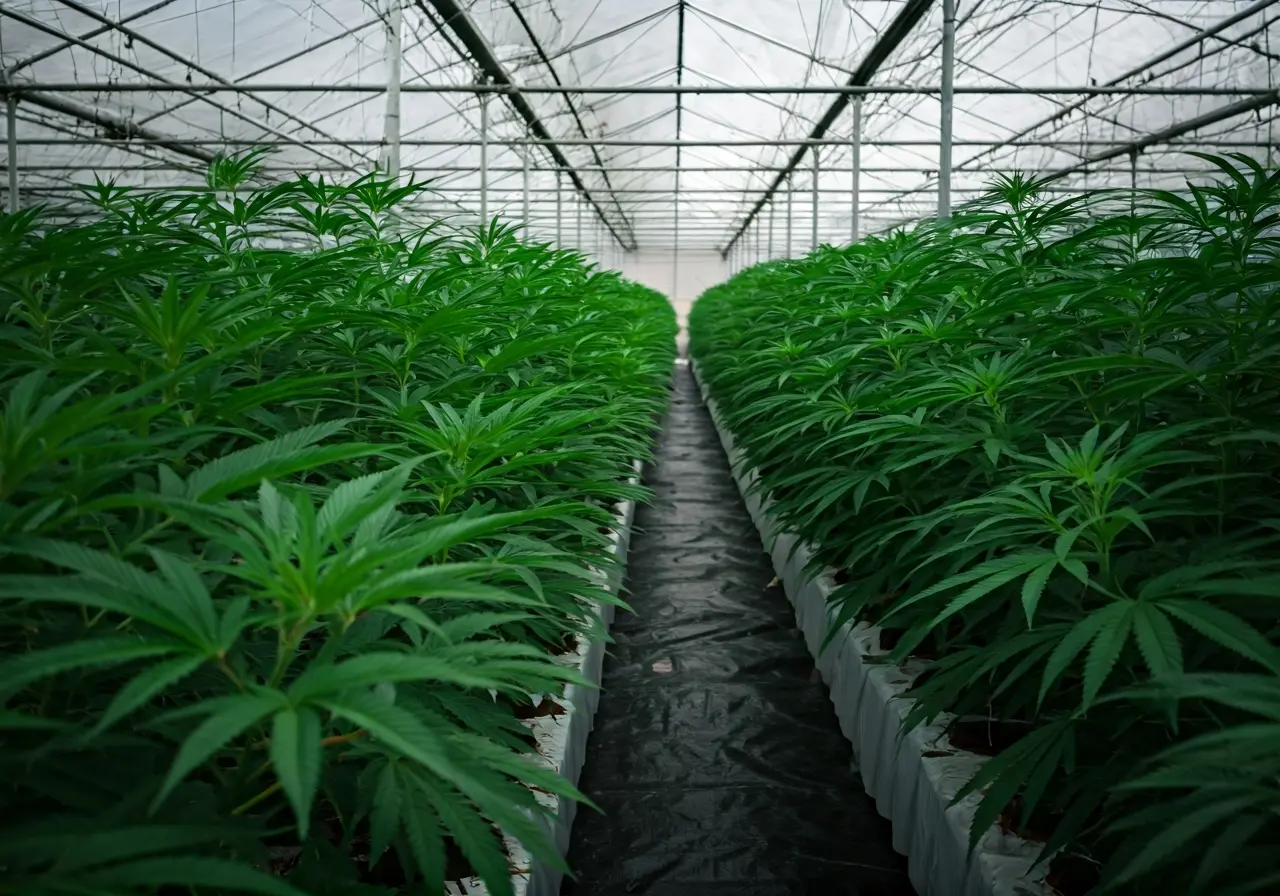
Starting with a Solid Foundation: Choosing the Right Space
The foundation of any efficient cannabis cultivation design begins with selecting the ideal growing space. Consider factors such as space size, access to natural light, and environmental controls to ensure your plants can thrive. Larger spaces allow for more plants, while smaller spaces can be more energy-efficient. It’s not just about the space you have but also how you utilize it. Optimizing your layout can dramatically impact your overall yields.
Choosing a location with ample access to natural light can significantly reduce energy costs associated with artificial lighting. However, in many cases, supplemental lighting will still be necessary to ensure consistent growth. Think about positioning your grow area in a way that maximizes light exposure throughout the day. This might mean choosing a south-facing room or even considering outdoor options if your climate allows.
You’ll also need to consider the building’s infrastructure. Does it have adequate ventilation? Is there easy access to water? These are essential questions that can impact your operation’s efficiency. In particular, ventilation is crucial—it helps regulate temperature and humidity levels, both of which are vital for healthy plant growth. If modification needs arise, be prepared to invest in improvements that adapt the space ergonomically.
Optimizing Lighting: The Key to Healthy Growth
Lighting is one of the most crucial aspects of cannabis cultivation. Understand the different types of grow lights available and how to position them effectively to ensure your plants receive the optimal amount of light. Choices range from LED to high-pressure sodium (HPS) lights, each affecting plants differently in terms of light spectrum and heat production.
LED lights are popular due to their energy efficiency and reduced heat output. This allows plants to get closer to the light source without risk of damage, enabling more uniform growth. On the other hand, HPS lights, known for their warmer spectrum, are traditionally used in the flowering phase to enhance bud development. Balancing these lighting options can be a game changer, ensuring your plants are vigorous during growth and bloom phases.
Remember, effective lighting isn’t just about the type of light used but also about how it’s distributed. Proper light positioning ensures each plant gets light exposure to all its parts, promoting symmetrical growth and preventing weak spots. Consider rotating plants or using reflective surfaces to get more out of your setup—it’s about maximizing every lumen.
Efficient Water Management Strategies
Water is a vital resource for cannabis plants. Explore efficient irrigation systems and methods that conserve water while ensuring your plants are adequately hydrated. Drip irrigation systems can significantly reduce water waste compared to traditional hand-watering, by delivering precise amounts of moisture directly to the plant roots.
Using hydroponic systems is another excellent way to ensure efficient water use. These setups recirculate water, reducing overall consumption and allowing for greater nutrient control. The key is to maintain the right balance—too little water stresses the plants, while too much can drown the roots and promote disease. Utilizing water sensors can automate the process, making it less labor-intensive and more precise.
Climate Control: Maintaining the Perfect Environment
Maintaining a stable climate is essential for healthy cannabis growth. Learn about temperature and humidity control systems that help create the ideal growing conditions. Cannabis plants thrive in temperatures between 68-77°F (20-25°C) when lights are on, with a slight drop when they’re off.
Humidity control is just as crucial since different growth stages require varying levels of moisture in the air. Using humidifiers and dehumidifiers can help maintain optimal levels, preventing mold and other moisture-related issues. Automated climate control systems take out the guesswork, adjusting settings based on real-time data to create an idyllic microclimate for your cannabis plants.
Proper airflow is also integral to climate control. It prevents mold, strengthens plant stems, and helps maintain consistent temperature levels. Implementing oscillating fans and air filter systems can bolster air circulation, ensuring that fresh air continuously replenishes the grow room—essential for robust plant development.
Planning for Scalability and Future Growth
As your cultivation efforts develop, scaling your operation may become necessary. Discover ways to design for scalability, ensuring your setup can expand as needed without compromising efficiency. Incorporating modular designs can streamline the expansion process, allowing you to add additional lighting, irrigation, or climatic controls incrementally, accommodating increased plant numbers carefully.
Long-term planning should involve considering how technology could evolve or be integrated into your operation. Blockchain-based supply tracking, AI-driven climate control, and automated harvesters are just a few advancements that could revolutionize your process. Staying informed about agricultural innovations prepares you for an adaptive and prosperous cultivation setup.
Ultimately, designing for growth and scaling up requires a careful balance of current capabilities and future predictions. Regular evaluations of your operation’s efficiency and resource use will provide the insights needed to make strategic adjustments. Investing in scalable solutions today ensures future productivity without sacrificing quality or efficiency.
Wrapping Up the Essentials of Efficient Cannabis Cultivation Design
Designing an efficient cannabis cultivation space is all about planning, resource management, and understanding your plants’ needs. By focusing on these elements, you can create a thriving environment that maximizes growth while minimizing resources. As you embark on your cultivation journey, remember that adapting and tweaking your setup can lead to even greater success. To learn more about innovative solutions for your needs, visit Cultivation Warehouse.