


Indoor cultivation is growing rapidly, offering innovative solutions for sustainable farming practices. This blog will explore how you can harness these techniques for better growth and yield, all while maintaining an eco-friendly approach.
Understanding Indoor Cultivation
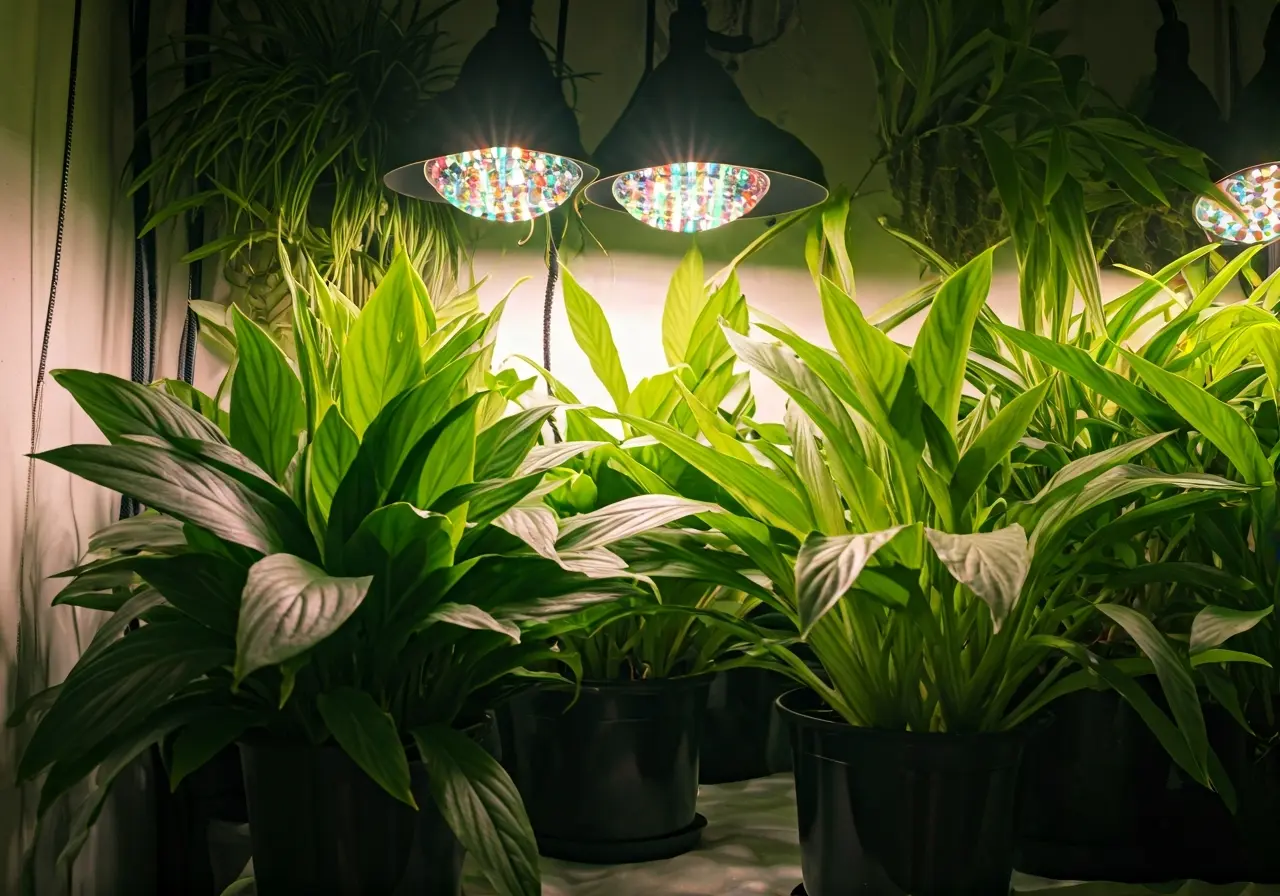
Indoor cultivation involves growing plants within controlled environments, where you can manage light, temperature, humidity, and nutrition. This allows for year-round production and optimal growth conditions, regardless of external climate influences.
The beauty of indoor cultivation lies in its ability to simulate different environmental conditions to best suit the plant’s needs. Whether it’s adjusting the spectrum of light to maximize photosynthesis or controlling humidity levels to prevent diseases, the precision available with indoor setups gives plants the optimal chance to flourish. Moreover, indoor growing creates a barrier against pests and pathogens, which significantly reduces the reliance on chemical pesticides.
Benefits of Indoor Cultivation Solutions
With indoor cultivation, you can ensure consistent quality and yield, reduce water usage, and minimize pest-related issues. These solutions also promote local food production and reduce the carbon footprint associated with transportation.
Indoor farming empowers communities to produce food in urban settings or areas with non-arable land. By utilizing indoor cultivation solutions, communities can grow fresh produce closer to consumers, which significantly cuts down on transport emissions. This local approach not only provides fresher food but also fosters a sense of community engagement with agriculture.
In addition to environmental benefits, indoor cultivation offers economic advantages. Enhanced production efficiency and potential year-round yields mean farmers can achieve better resource utilization and higher profitability. The controlled settings reduce waste and spoilage, which are common in traditional farming reliant on unpredictable weather patterns.
Key Technologies in Indoor Farming
Technological advancements such as hydroponics, aeroponics, and vertical farming are revolutionizing indoor cultivation. These systems maximize space efficiency and use less soil, while smart sensors and automation enable precise control over plant growth conditions.
Hydroponics, for example, allows for soilless growing, using nutrients dissolved in water to nourish plants directly. This method not only saves water—up to 90% less than conventional farming—but also accelerates plant growth and increases yield. Vertical farming takes advantage of upward space, allowing multiple layers of crops, maximizing output per square foot.
The integration of smart technology into farming is another significant leap. Automation and sensors now provide real-time data on moisture levels, temperature, and nutritional content, helping farmers make informed decisions to optimize growth conditions. This data-driven approach reduces human error and enhances productivity, paving the way for predictable and reliable food production.
Tips for Successful Indoor Cultivation
To succeed in indoor cultivation, prioritize understanding plant needs, invest in quality equipment, and stay updated with industry trends. Regular monitoring and adjustments are crucial to ensure a thriving indoor garden.
Selecting the right plants is critical for success. Consider starting with hardy and adaptable species known for their compatibility with controlled environments, such as leafy greens, herbs, and strawberries. These plants can help beginners gain confidence before moving on to more complex crops.
Also, allocate time to learn about the nutrient requirements and optimal growing conditions for your chosen plants. Leveraging online resources and professional workshops can provide valuable insights to refine your process. Remember, continuous learning and adaptation to new methods or technologies can be game-changers in achieving sustainable and efficient indoor cultivation.
Challenges and How to Overcome Them
Indoor cultivation can present challenges such as high initial setup costs and energy consumption. To overcome these, consider starting small, making gradual upgrades, and investing in energy-efficient technologies.
Balancing energy consumption with sustainability is a primary concern. High-efficiency LED lighting can greatly reduce electricity use while providing adequate light spectra for plant growth. Incorporating renewable energy sources, such as solar panels, can further offset energy costs and reduce the environmental impact of your operation.
Proper planning can mitigate many of the upfront challenges. Conducting a thorough cost analysis and setting clear goals will help prioritize your investments. Investing in scalable systems that allow for incremental development as your knowledge and capacity grow can lead to more sustainable and economically viable indoor cultivation operations.
Embrace the Future of Cultivation
Indoor cultivation holds tremendous potential for transforming agriculture. By adopting these innovative solutions, you can improve crop quality, ensure food security, and promote sustainability. Embrace these advancements to make meaningful strides in your cultivation journey.