


Understanding vapor pressure differential is crucial for anyone involved in indoor cultivation. It affects plant health, quality, and yield. In this guide, we will explore practical tips to help you manage this essential aspect effectively.
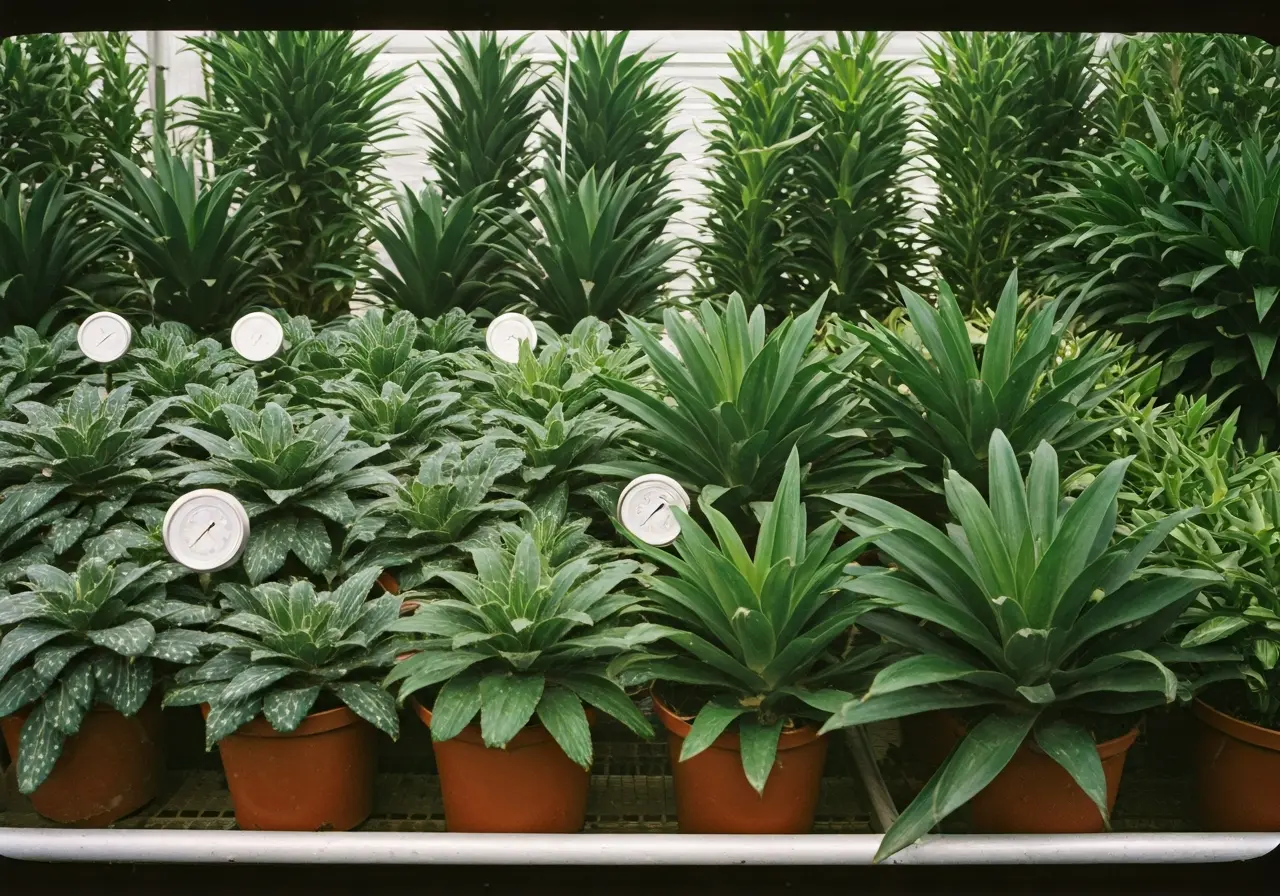
1. Understanding Vapor Pressure Differential
To manage vapor pressure differential effectively, first get a solid grasp of what it is and why it matters for your plants. It’s the difference between the moisture in the air and the moisture your plants need. This concept can be a bit tricky at first, but it’s essential to ensure healthy plant growth and maximize yield.
Every plant has a unique vapor pressure differential requirement, which is crucial for their transpiration process. Understanding this lets you create an environment where plants can efficiently exchange gases, take in nutrients, and grow vigorously. Ensuring the vapor pressure differential is within the optimal range minimizes plant stress and improves plant health.
2. Maintaining Optimal Humidity Levels
Keeping humidity within the ideal range is vital. Plants thrive when humidity is perfect, preventing issues like mold. Proper humidity levels encourage healthy growth by allowing plant stomata to function correctly, aiding in respiration and photosynthesis.
Regularly checking the humidity levels and adjusting them as needed is essential. Too much humidity can lead to growth of pests and pathogens, while too little can cause plants to dry out and wilt. There are various methods to monitor humidity effectively, ensuring your indoor cultivation environment remains optimal.
We offer a comprehensive selection of humidity control solutions that can help keep your plants healthy and happy. From automated systems to manual hygrometers, there’s an option for every grower.
3. Temperature Control Techniques
Temperature plays a key role in vapor pressure. Learn how to adjust it to fit your plants’ needs. Different plants thrive under different temperatures, and understanding these requirements ensures you provide a conducive environment. Too high or too low temperatures can disrupt the plants’ ability to take in moisture, impacting growth and productivity.
Using temperature control systems that adjust based on real-time data can optimize plant health. Implementing efficient cooling systems can save energy while maintaining the desired environment for your crops. This not only keeps your plants healthy but also helps manage electricity costs.
4. Using Hygrometers
A hygrometer is your best friend for accurate humidity measurements. It ensures you’re on the right track. Accurate humidity readings are critical for maintaining the delicate balance that promotes healthy plant growth.
Investing in a reliable hygrometer can save you time and money in the long run. A good hygrometer alerts you to rising or falling humidity levels, allowing for quick adjustments. They’re an indispensable tool for any serious cultivator keen on managing vapor pressure effectively.
5. The Role of Ventilation
Good airflow prevents stale environments that could hurt your plants. Ventilation is crucial in managing vapor pressure and aids in regulating temperature and humidity levels. Properly ventilated spaces ensure that your plants are surrounded by fresh air, keeping diseases at bay.
Implementing advanced ventilation systems can significantly improve the quality of air in indoor grow spaces. Systems designed for greenhouse ventilation help in reducing humidity and heat, thus maintaining the optimal conditions for plant growth. With proper planning, ventilation can enhance your plants’ resilience to pests and diseases.
6. Utilizing Dehumidifiers
When humidity is too high, a dehumidifier can help bring it back down to a safe level for your plants. This is essential to avoid issues like mold and mildew that thrive in overly humid conditions.
Selecting the right size and type of dehumidifier for your grow space is essential for effective humidity management. While smaller units might suffice for a compact setup, larger spaces require more robust dehumidifiers capable of handling greater volumes of air. Proper placement of these devices ensures even distribution and rapid moisture reduction.
7. Leveraging Humidifiers
Conversely, when it’s too dry, a humidifier can add necessary moisture to the air. This is crucial during winter months or in arid locations where reduced ambient humidity may affect plant health.
Humidifiers come in different types, such as ultrasonic, evaporative, and steam. Each has its strengths; choosing the right one depends on your specific needs and budget. Our range of humidification systems provides diverse options to increase moisture levels, ensuring optimal growth and yield.
8. Monitoring Environmental Changes
Keep an eye on changes in your growing environment and adjust your tactics accordingly. Environmental monitoring is a continuous process, requiring regular checks on temperature, humidity, and airflow.
Advanced monitoring systems can alert you to any deviations from the ideal conditions, enabling proactive adjustments. Leveraging technology not only enhances precision in cultivation but also maximizes operation efficiency. Implementing remote monitoring technology can save time and effort, keeping you informed of any critical shifts in real-time.
9. Choosing the Right Cultivation Equipment
Invest in reliable equipment that helps maintain perfect conditions in your cultivation space. Quality tools and systems are paramount for efficient vapor pressure differential management.
When selecting equipment, consider factors such as durability, efficiency, and ease of use. Whether it’s lighting systems, watering systems, or environmental controllers, the right tools make a significant difference in crop quality and yield. Explore our comprehensive equipment range to find everything you need for high-performance cultivation.
10. Regularly Reviewing and Adjusting Your Strategies
Constantly evaluate the effectiveness of your strategies and be ready to make necessary changes. As every growing environment is unique, what works today might not be as effective in the future. Regular assessments prevent stagnation and promote evolving practices.
Create a structured schedule for reviewing your cultivation techniques and environmental conditions. Doing so can lead to the discovery of new methods or insights that improve productivity and plant health. Remaining open to innovation and willing to experiment with new strategies is key to thriving in indoor cultivation.