


In recent years, the demand for efficient and productive grow facilities has skyrocketed. Whether you’re a seasoned horticulturist or a budding entrepreneur, understanding the key elements of grow facility design is crucial for achieving maximum yield. Let’s dive into the essentials of optimizing your grow space to ensure bountiful harvests and sustainable growth.
Understanding the Basics of Grow Facility Design
Before diving into the specifics, it’s essential to understand the core principles of grow facility design. This includes factors like space utilization, plant needs, and the integration of technology to streamline operations. The foundation of a successful grow facility lies in assessing your resources and goals. Beginning with a clear analysis of the space available, you can plan how to allocate areas for planting, storage, and workstations. Additionally, recognizing the environmental requirements of the plants you intend to grow is critical. Each species has specific light, temperature, and humidity needs that must be met for optimal growth. Ensuring your facility can accommodate these needs will set you on the right path toward creating a productive environment.
One key element in grow facility design is flexibility. As demand and technology evolve, your facility should be able to adapt accordingly. Planning a layout that allows for easy reconfiguration of plant setups or workflow can save time and costs in response to changes. Moreover, considering the potential for expansion is vital if scaling is part of your long-term plan. You might be surprised by how little adjustments, like using modular shelving or movable partitions, can enhance your space’s versatility. Ultimately, successful grow facility design begins with a clear understanding of your objectives and a flexible approach to achieving them.
Strategic Layout Planning for Efficient Space Utilization
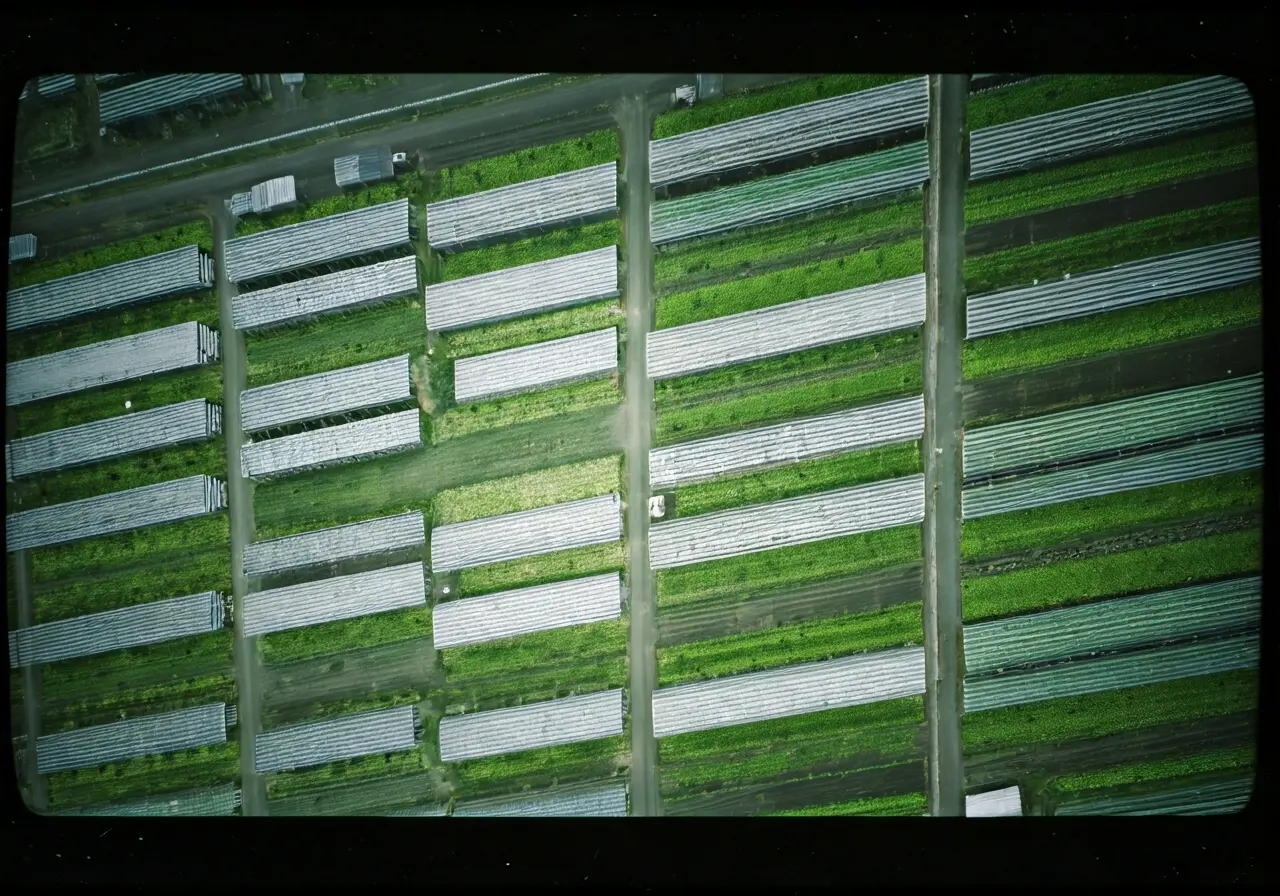
A well-planned layout is the backbone of an effective grow facility. Considerations such as plant density, accessibility, and workflow efficiency determine how well the space supports your production goals. Start by mapping out the most efficient path for both plant processes and worker movement to minimize time and resources spent on daily operations. When designing your layout, think of it as a living organism that requires seamless integration of different components to function effectively. Strategic placement of workstations, storage, and utility areas not only optimizes spatial use but also enhances overall operational productivity.
Another factor to consider is the facility’s vertical space. Often, growers overlook the potential of using their vertical dimension for plant growth, which can significantly increase yield without expanding the footprint of the facility. Technologies like vertical farming systems allow for multi-tiered plant arrangements, effectively turning one floor into several layers of productive space. This approach not only maximizes space but also provides opportunities for experimenting with different growing environments for various crop types.
Finally, employing data-driven layout planning can lead to smarter and more informed decisions. Using analytics tools to track your facility’s performance can identify bottlenecks in workflow or areas of wasted space that can be addressed through layout alterations. New technologies, such as drones and spatial analytics software, offer innovative ways to observe and improve grow facility layouts. By leveraging these tools, you can refine your space usage to better support high-yield outcomes.
Mastering Environmental Control Systems
Controlling the environment within your grow facility is crucial for plant health. From temperature to humidity and light, understanding how to manage these elements can drastically impact your yield quality and quantity. One essential component is the HVAC system, which regulates the aforementioned factors. Investing in a robust and efficient HVAC setup can help maintain optimal growing conditions, even during weather fluctuations. Advanced systems now include features like integrated controls that allow for precise adjustments remotely, ensuring that your environment is consistently maintained at the best levels for growth.
Apart from temperature and humidity, managing light exposure is another critical factor. Lighting is an indispensable part of any grow facility, as it directly affects photosynthesis and, consequently, plant development. Many growers now use LED technology, which provides a broad spectrum of light while reducing energy consumption and heat production. In conjunction with light sensors and automated timing systems, growers can simulate natural light cycles, fine-tuning them to suit specific plant types and growth stages. By mastering these environmental control systems, you can drive dramatic improvements in plant health and yield, with the added benefits of efficiency and sustainability.
Incorporating Sustainable Practices for Long-term Success
Sustainability is more than a trend—it’s a necessity. Implementing eco-friendly practices, such as water recycling and energy-efficient systems, can reduce costs and enhance your facility’s environmental footprint. Water conservation, for example, is pivotal in grow facility management. Implementing systems that allow for rainwater harvesting or utilizing greywater can significantly reduce freshwater use. Additionally, closed-loop systems that recirculate water limit waste and can provide plants with a more consistent supply of nutrients.
Moreover, energy efficiency should be a central goal. Transitioning to renewable energy sources like solar panels not only lowers operational costs but also aligns with broader environmental goals. Modern facilities increasingly embrace green technologies, including building designs that reduce reliance on artificial lighting and temperatures. Opting for sustainable insulation materials can also help maintain optimal internal climates naturally. By weaving sustainability into your grow facility design, you not only protect the environment but also position your business as a forward-thinking operation committed to long-term success and responsibility.
Leveraging Technology to Boost Yield
Technology plays a pivotal role in modern grow facility design. Automation, data analytics, and innovative growth systems offer unprecedented control and efficiency, ultimately driving yield improvements. Automated systems, such as irrigation and nutrient delivery, free up time for personnel to focus on other critical tasks while ensuring consistent plant care. Data analytics can provide deep insights into growth trends and plant health, supporting more informed decision-making processes.
Furthermore, smart sensors and IoT devices are revolutionizing the monitoring and management of grow environments. By collecting real-time data on variables like soil moisture, air quality, and plant stress, you can quickly address any potential issues before they become significant problems. These technological advancements, coupled with AI analysis, help optimize all facets of plant growth, from seed to harvest, ultimately leading to higher yields with less input. As technology continues to advance, its integration into grow facility design promises ongoing improvements in efficiency, quality, and productivity.
Bringing Your Grow Facility Vision to Life
Designing a grow facility to optimize yield is both an art and a science. By focusing on layout, environmental control, and sustainability, you can create a space that not only maximizes production but also fosters a healthy and efficient growing environment. Embrace technology, stay adaptable, and watch your endeavors flourish.