


Indoor cultivation has become a popular choice for many enthusiasts and businesses alike, offering control and versatility in growing conditions. However, mastering indoor cultivation is both an art and a science, requiring knowledge and precision. In this blog post, we will explore expert tips and tricks to help you achieve a successful and bountiful indoor garden.
Understanding the Basics of Indoor Cultivation
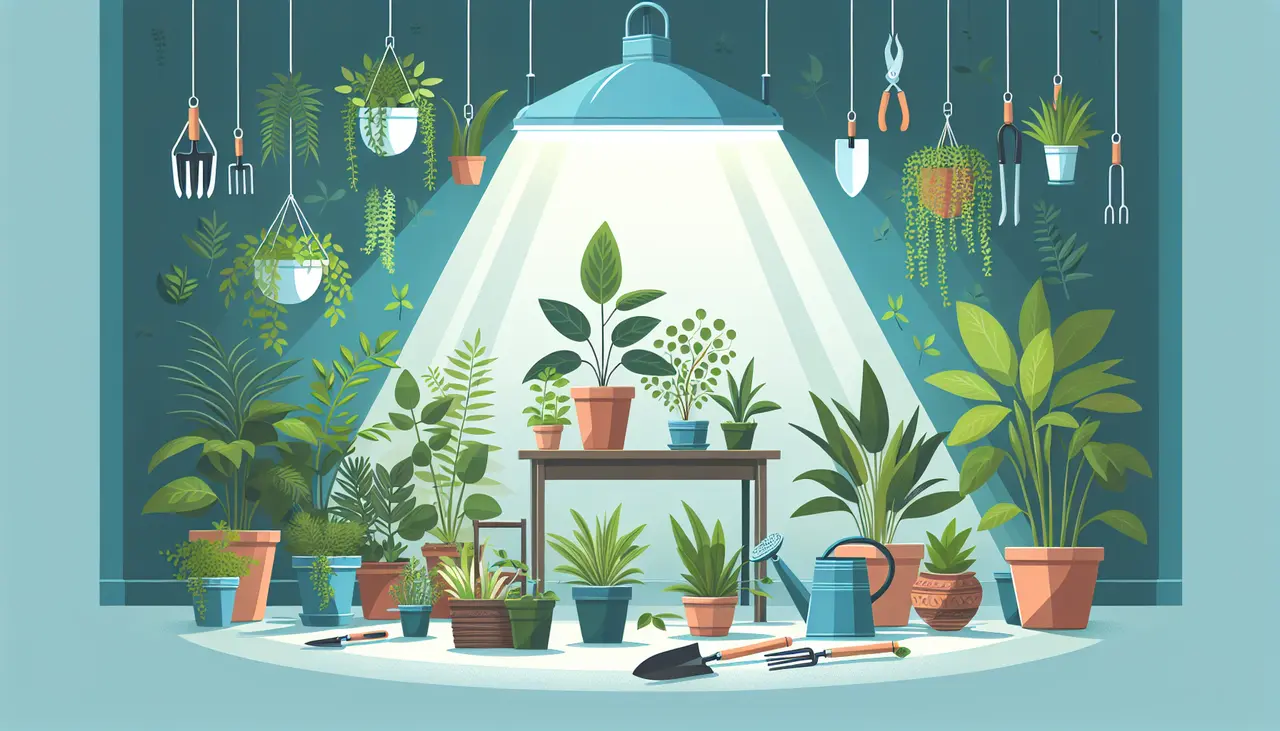
Before delving into advanced techniques, it’s essential to understand the basics of indoor cultivation. From choosing the right plants to knowing the importance of light, water, and nutrients, these foundational elements set the stage for a successful indoor garden. Grasping the nuances of each element helps create an environment where plants can flourish. Light, for instance, is not just about illuminating your space or even setting up grow lights but involves identifying the correct spectrum and duration that mimic natural sunlight. Similarly, water is not just about keeping the soil moist; it’s about understanding the hydration needs specific to each plant species and ensuring proper drainage and aeration to prevent root rot.
Once you’ve laid the groundwork, consider exploring more advanced cultivation methods like hydroponics or aeroponics. These systems offer unique advantages such as conserving water and space while often leading to faster plant growth. The Nutritive Solution is crucial as well, as it influences plant health directly, necessitating the careful selection of the right nutrient mix.
Selecting the Right Indoor Plants for Your Space
Not all plants thrive indoors, making it crucial to select species suited for indoor growth. Consider factors like light requirements, size, and growth habits to ensure your chosen plants can achieve their full potential in your indoor environment. Herbs such as basil and mint, or small fruiting plants like strawberries, are generally excellent choices for beginners since they adapt well to indoor conditions. On the other hand, large plants like citrus trees might present challenges unless you have the space and resources to mimic their natural habitat.
When planning your indoor garden, think about mix and match. Combine various plants that complement each other aesthetically and ecologically. You might select flowering plants that attract beneficial insects or vibrant foliage plants that offer visual appeal year-round. Vertical gardening can also maximize your use of space while adding greenery to your living area. Explore options like succulents or ferns for their low maintenance and adaptability to indoor settings.
Optimizing Light Conditions for Indoor Plants
Light is vital for photosynthesis, and ensuring your indoor plants receive adequate light is crucial. Natural sunlight beams through windows can be a wonderful source but might not always be sufficient, especially during short winter days. This is where artificial lighting solutions, such as full-spectrum LED grow lights, play an essential role. LED technology offers energy efficiency and allows precision in adjusting light wavelengths to suit different growth stages of plants.
Remember that each plant species has unique light preferences. While tropical plants typically thrive under bright light, shade-loving plants like certain ferns prefer indirect lighting. Consider setting up adjustable lighting systems that can be repositioned or modified to cater to the varying needs of your indoor plant repertoire. Positioning your grow lights at strategic distances and angles is key, ensuring uniform light distribution to prevent tall, lanky growths—a common consequence of poor lighting. Monitoring light exposure and making seasonal adjustments can maintain optimal growth conditions throughout the year.
Maintaining the Ideal Temperature and Humidity
Indoor environments can vary greatly, and maintaining the right temperature and humidity levels is essential for healthy plants. While most house plants do well in temperatures that hover between 65°F and 75°F, understanding the specific climate needs of your chosen plants will help avoid stress and foster robust growth. Humidity, often overlooked, is another vital factor. High humidity levels can lead to mold and disease, while low levels might cause browning leaf tips and stunted growth. Devices like hygrometers can be indispensable tools for monitoring your indoor climate consistently.
To manage environmental conditions effectively, consider investing in tools such as humidifiers or dehumidifiers, especially during extreme weather conditions. Balancing these aspects can mimic a plant’s natural habitat, whether tropical or desert, ensuring its health and productivity. Regularly check thermostat settings, and be open to trial and error to discover what conditions your plants respond to best. Moreover, keep air circulation constant to prevent hot or cold spots, enabling an even temperature distribution throughout your growing space.
Remember, a stable environment not only enhances plant health but also deters potential pest infestations. Pests are often attracted to plants under stress or fluctuating conditions, making consistent climate management a frontline defense against unwelcome visitors. Additionally, enhancing the air quality by introducing plants known to purify the environment, such as spider plants or peace lilies, can contribute significantly to both plant and human health. This holistic approach ensures a thriving indoor ecosystem where all elements are harmoniously balanced.
Watering Wisely: Techniques for Indoor Cultivation
Overwatering and underwatering are common pitfalls in indoor gardening. Learn expert techniques for watering your plants effectively, including the use of self-watering systems and understanding the specific needs of different plant types. An easy rule of thumb is to check the soil moisture depth by inserting a finger into the soil. For more precision, soil moisture meters offer accurate readings to help determine the best watering times. Drip irrigation systems, although more commonly associated with outdoor landscapes, can also be adapted for indoor use.
When it comes to watering frequency, understand that less is often more. Frequent light watering can encourage shallow root development, which is undesirable for most houseplants. Instead, opt for fewer deep watering sessions that allow water to penetrate the root zone thoroughly. Consider the benefits of rainwater harvesting or using distilled water for sensitive plants that react to mineral content in tap water. This step can prevent unwelcome accumulations of salts and chemicals that might affect plant health long-term.
Combating Pests and Diseases Naturally
Indoor gardens are not immune to pests and diseases. Discover natural ways to protect your plants, from introducing beneficial insects to using organic treatments, ensuring your indoor oasis remains healthy and vibrant. Familiarizing yourself with common indoor pests such as aphids, spider mites, or fungus gnats is the first step toward effective pest management. Neem oil or diluted essential oils can act as natural deterrents, serving as eco-friendly alternatives to chemical pesticides.
For a hands-on approach, some gardeners find success with gentle cleaning of leaves using a mild soap solution, which prevents dust build-up and deters pests. Introducing beneficial insects like ladybugs or lacewings to your indoor garden can naturally control pest populations. Integrated Pest Management (IPM) strategies advocate using these natural enemies to maintain pest control in a sustainable manner. The importance of biodiversity cannot be overstated, as a diverse ecosystem is more resilient to pest pressures.
Cultivate with Confidence: Your Path to Indoor Gardening Success
Mastering the art of indoor cultivation is within your reach. By applying expert tips and techniques, understanding the importance of environment, and staying vigilant against pests and diseases, you can cultivate a thriving indoor garden. Remember, indoor gardening is a journey of learning and adaptation, but with the right tools and knowledge, your plants will flourish. Start your indoor gardening journey with Cultivation Warehouse and explore the wide range of solutions we offer to support your success.