


In the world of cannabis cultivation, creating the perfect growing conditions can significantly impact the quality and yield of the harvest. Controlled environments allow growers to fine-tune the various elements that influence plant growth, leading to a more efficient and productive operation. In this blog, we’ll explore the numerous benefits of controlled environment agriculture (CEA) for cannabis cultivation.
Understanding Controlled Environment Agriculture (CEA)
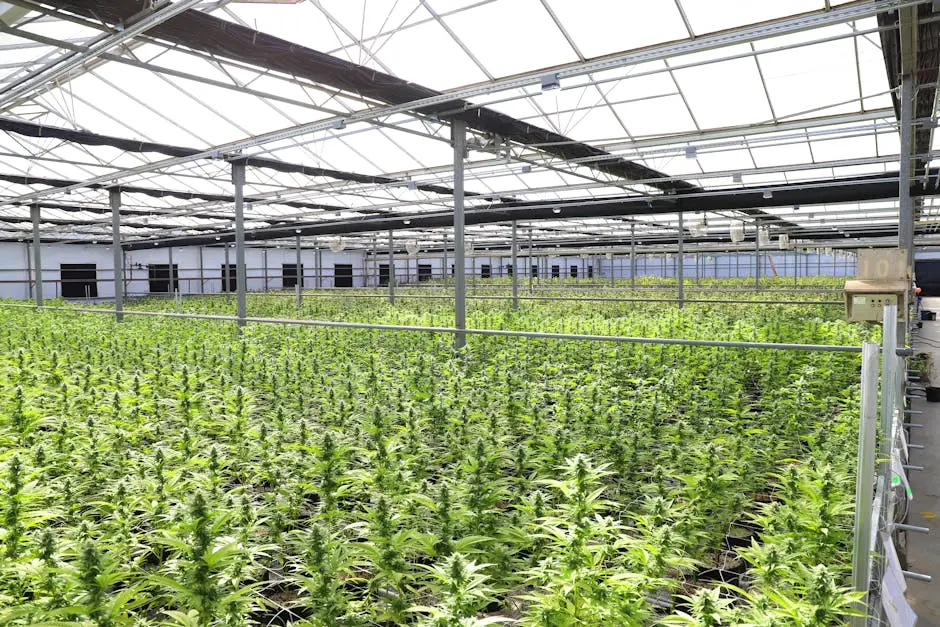
Controlled Environment Agriculture (CEA) refers to a method of cultivating plants by controlling environmental factors like temperature, light, humidity, and CO2 levels inside a greenhouse or indoor facility. This approach provides greater precision in managing growth cycles compared to traditional outdoor growing.
The beauty of CEA lies in its ability to tailor every aspect of a plant’s environment. For example, by manipulating light spectra and durations, growers can stimulate specific growth stages, such as flower production in cannabis. This customization results in optimal growth conditions that are almost impossible to achieve in an outdoor setting. Moreover, the sealed environments prevent contamination from external pollutants, offering a cleaner product to the end-user.
In the context of climate change and unpredictable weather patterns, having a controlled environment allows for remarkable consistency and reliability. With advances in automation, CEA systems can be adjusted remotely through mobile apps or computer systems, making it easier than ever to monitor and tweak conditions as needed. This kind of precision and flexibility is invaluable for maximizing both the quality and yield of cannabis crops.
Consistent Quality and Yield
One of the primary benefits of controlled environments is the ability to maintain consistent quality and yield. By removing external variables such as weather fluctuations and pests, growers can ensure a more stable and predictable crop production cycle.
In traditional agricultural settings, a single weather event can wreak havoc on an entire crop. However, in a controlled environment, conditions like excessive rain or drought are non-issues. This security allows growers to focus on fine-tuning other variables that can further enhance the growth and potency of the cannabis.
With the consistency of a controlled environment, growers can experiment with different strains and bet on producing rare, high-demand varieties without the risk of unexpected environmental factors interfering. This capability is a significant advantage in the competitive cannabis market, where uniqueness and quality create differentiation among products.
Water and Nutrient Efficiency
CEA systems often use advanced irrigation methods, such as hydroponics or aeroponics, which maximize water and nutrient efficiency. This not only reduces waste but also enhances the health and growth rate of cannabis plants by providing them with the precise nutrients they need.
The advantages of hydroponic systems, for instance, include delivering nutrients directly to plant roots, reducing the need for soil and thereby eliminating soil-borne diseases. This targeted approach permits precise nutrient management, where deficiency or excess can hamper growth and quality in traditional settings. Aeroponic systems take it a step further by misting plant roots in a nutrient-rich solution, further maximizing efficiency and yield.
Water conservation is another significant boon of CEA systems. With the increasing global focus on sustainability, using less water while achieving higher yields is a win-win situation. Closed-loop systems in CEA can recycle water, significantly reducing wastage and contributing to a more eco-friendly cultivation process.
Enhanced Pest and Disease Control
By keeping cannabis plants indoors, growers can better protect them from pests and diseases that might be prevalent outdoors. Controlled environments allow the use of integrated pest management practices, which can reduce the need for chemical pesticides while maintaining plant health.
In outdoor cultivation, the threat from insects, rodents, and plant diseases is ever-present. However, a controlled environment serves as a physical barrier against many of these common issues. With integrated pest management, growers can take a proactive approach, employing techniques like beneficial insects and biological pesticides rather than relying on synthetic chemicals.
Monitoring systems can immediately alert growers to the first signs of pollen contamination or pest activity, allowing for swift corrective action. This early detection is crucial for maintaining a healthy crop and preventing the need for broad-spectrum pesticides, which can affect the plant’s quality and harm beneficial microorganisms.
Year-round Cultivation
One significant advantage of a controlled environment is the ability to grow cannabis throughout the year, regardless of the outside weather conditions. This not only maximizes production potential but also allows growers to respond more flexibly to market demand.
In regions with harsh winters or scorching summers, traditional agriculture becomes a seasonal endeavor. However, CEA enables continuous plant cycles, offering growers the chance to deliver fresh products year-round. This flexibility can be a game-changer when it comes to meeting fluctuating consumer demands or taking advantage of market prices when they are favorable.
Year-round cultivation also fosters better business planning and resource management within the cannabis industry. With a consistent supply, businesses can establish reliable distribution channels and build strong relationships with clients, thereby stabilizing their economic position over time.
Sustainability and Energy Considerations
Although controlled environments can be resource-intensive, advances in technology are paving the way for more sustainable practices. Energy-efficient LED lighting, renewable energy sources, and water recycling systems are examples of innovations helping to reduce the environmental footprint of CEA.
Implementing sustainable practices, such as integrating renewable energy sources like solar panels or wind turbines, can significantly offset the energy consumption in controlled environments. LED lighting technology has revolutionized indoor growing by emitting less heat and using a fraction of the electricity compared to traditional bulbs, while still providing the full spectrum of light needed for photosynthesis.
Furthermore, automated systems that optimize heating, cooling, and ventilation help ensure energy is used as efficiently as possible, without wasteful expenditure. These eco-friendly solutions not only reduce the carbon footprint of cannabis cultivation but may also lead to cost savings in the long run, making them a smart investment for the future.
Embracing the Future of Cannabis Cultivation
In summary, leveraging the benefits of a controlled environment in cannabis cultivation can significantly enhance the quality, yield, and sustainability of your grow operations. By carefully managing variables such as temperature, humidity, light, and pest control, growers can create an ideal setting for thriving cannabis plants all year round. As the industry continues to evolve, controlled environments offer a promising path forward for innovative and sustainable cannabis cultivation. For more information on how to get started, visit our business homepage.