


In a world where sustainable food production is more critical than ever, Controlled Environment Agriculture (CEA) offers an innovative solution. By allowing crops to be grown in optimized conditions, CEA could significantly transform the future of agriculture. In this blog, we’ll dive into the concept of CEA, its benefits, and its potential impact on food production.
Understanding Controlled Environment Agriculture
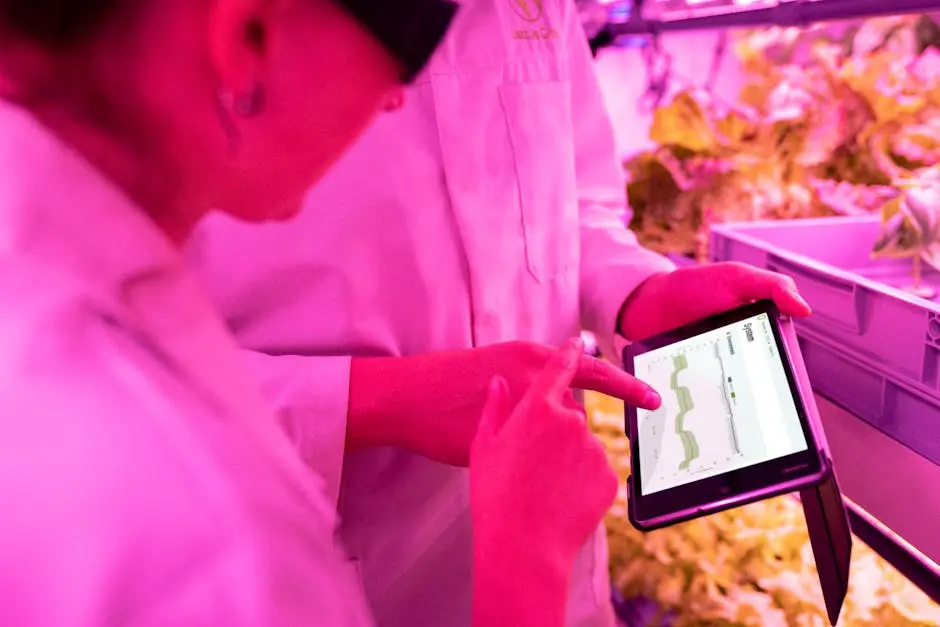
Controlled Environment Agriculture (CEA) is more than just a buzzword in modern farming—it’s a pioneering approach that’s reshaping how we cultivate crops. At its core, CEA encompasses various methods like hydroponics, aquaponics, and aeroponics, all designed to grow plants in environments where every variable can be meticulously managed. Unlike traditional farming, which depends heavily on weather conditions and regional climates, CEA provides a stable environment, sheltered from the unpredictability of the outdoors. This means that factors such as temperature, humidity, and light can be controlled to provide plants with the ideal conditions they need to grow, irrespective of the time of year or weather outside.
One of the central tenets of CEA is the ability to precisely control the environment. This goes beyond merely providing shelter; it involves nurturing plants with exact measurements of water, nutrients, and light. The implications of this are profound—it minimizes resource waste and maximizes growth efficiency. For example, water usage in CEA can be significantly less than in traditional farming methods due to the closed-loop systems that reduce evaporation and runoff. This is especially beneficial in regions facing severe drought conditions or where water resources are scarce. The closed environment also reduces the likelihood of pests and diseases, eliminating the need for harmful pesticides, which is a considerable advantage for both the environment and consumer health.
The Benefits of CEA for Sustainable Agriculture
The benefits of Controlled Environment Agriculture extend far beyond mere crop yield improvements. Among the most compelling advantages is the potential for year-round production. Traditional farming is at the mercy of seasonal changes, often leading to periods of dormancy or reduced productivity. However, CEA systems enable continuous farming cycles—plants can be cultivated consistently, regardless of the season or climatic challenges outside. This constant production capability is crucial in meeting the ever-growing food demands of the global population.
Furthermore, CEA significantly reduces the environmental footprint of agriculture. With optimized resource use, such as water recirculation systems that cut water requirement by up to 90% compared to field farming, and nutrient cycling that minimizes fertilizer use, CEA represents a much-needed shift towards more sustainable practices. Additionally, by localizing food production through urban indoor farms, CEA reduces the need for transportation, lowering carbon emissions and delivering fresher produce to consumers. This local-centric model also promotes urban resilience, offering cities the capacity to produce their own food.
Innovations and Technologies Driving CEA
The technological advancements fueling CEA’s growth are nothing short of revolutionary. Automation plays a pivotal role in enhancing the efficiency and precision of CEA systems. Automated climate controls that can adjust light, CO2 levels, and humidity ensure that crops receive exactly what they need for optimal growth. Coupled with sensor technologies and data analytics, these systems provide real-time monitoring and adjustments tailored to every plant’s requirements. Hydroponic systems, another innovation integral to CEA, enable soil-less cultivation using nutrient-rich water solutions—a technique that conserves water and land while increasing plant growth rates.
Vertical farming is also a cornerstone of CEA technologies, allowing crops to be grown in stacked layers, dramatically increasing output per square foot. This is particularly advantageous in urban areas where space is limited. The ability to grow upwards, rather than outwards, makes efficient use of available space and resources. LED lighting, specifically tailored to suit the photosynthetic needs of plants, provides an energy-efficient light source, further enhancing growth. These innovations collectively push the boundaries of what’s possible in agriculture, offering solutions that were once only conceptual.
Challenges and Considerations in Implementing CEA
Despite its myriad benefits, the implementation of CEA is not without its challenges. The upfront costs associated with setting up a CEA facility can be substantial, as these include investments in technology, infrastructure, and operational systems. For many potential adopters, this can be a significant barrier, especially in regions where financial resources are constrained. Additionally, running a highly technical CEA operation requires not only an investment in technology but also in human capital—knowledge and training are critical to managing and optimizing these complex environments effectively.
Moreover, the energy demands of CEA systems are another consideration. While technological improvements have made these systems more energy-efficient, the reliance on artificial lighting and climate controls may lead to increased energy consumption, potentially offsetting some environmental benefits. Integrating renewable energy sources such as solar panels can mitigate this issue, but this requires further investment and infrastructure development. These challenges underline the need for supportive policies and incentive programs to make CEA a viable and attractive option for more farmers globally.
CEA’s Impact on Global Food Security
In addressing global food security concerns, CEA offers a powerful tool in the agricultural toolkit. With the world’s population projected to reach 9.7 billion by 2050, traditional farming methods alone may not suffice in meeting the increased food demands. CEA provides a viable alternative by producing more food in less space and with fewer resources, all while potentially reducing the dependency on large agricultural tracts of land. This is particularly helpful in areas with harsh climates or limited arable land, where traditional agriculture is challenging or unsustainable.
Furthermore, CEA supports the creation of resilient food systems capable of withstanding external shocks, such as those caused by climate change or pandemics. By decentralizing food production and bringing it closer to urban centers, CEA not only enhances food security but also ensures a stable supply chain, reducing vulnerability to global disruptions. This could play a pivotal role in future-proofing our food systems, making them more adaptable and resilient to unforeseen events. As governments and organizations worldwide continue to seek solutions for food security, CEA stands out as a promising, sustainable approach that could revolutionize our food production paradigm.
Embracing the Future of Agriculture
Controlled Environment Agriculture represents a promising future for sustainable food production. By leveraging technology and optimizing growing conditions, it not only ensures higher yields but also contributes to environmental conservation. While challenges remain, the potential of CEA to revolutionize agriculture and address food security issues is immense. As we move forward, embracing and investing in such innovative techniques will be key to feeding future generations.