

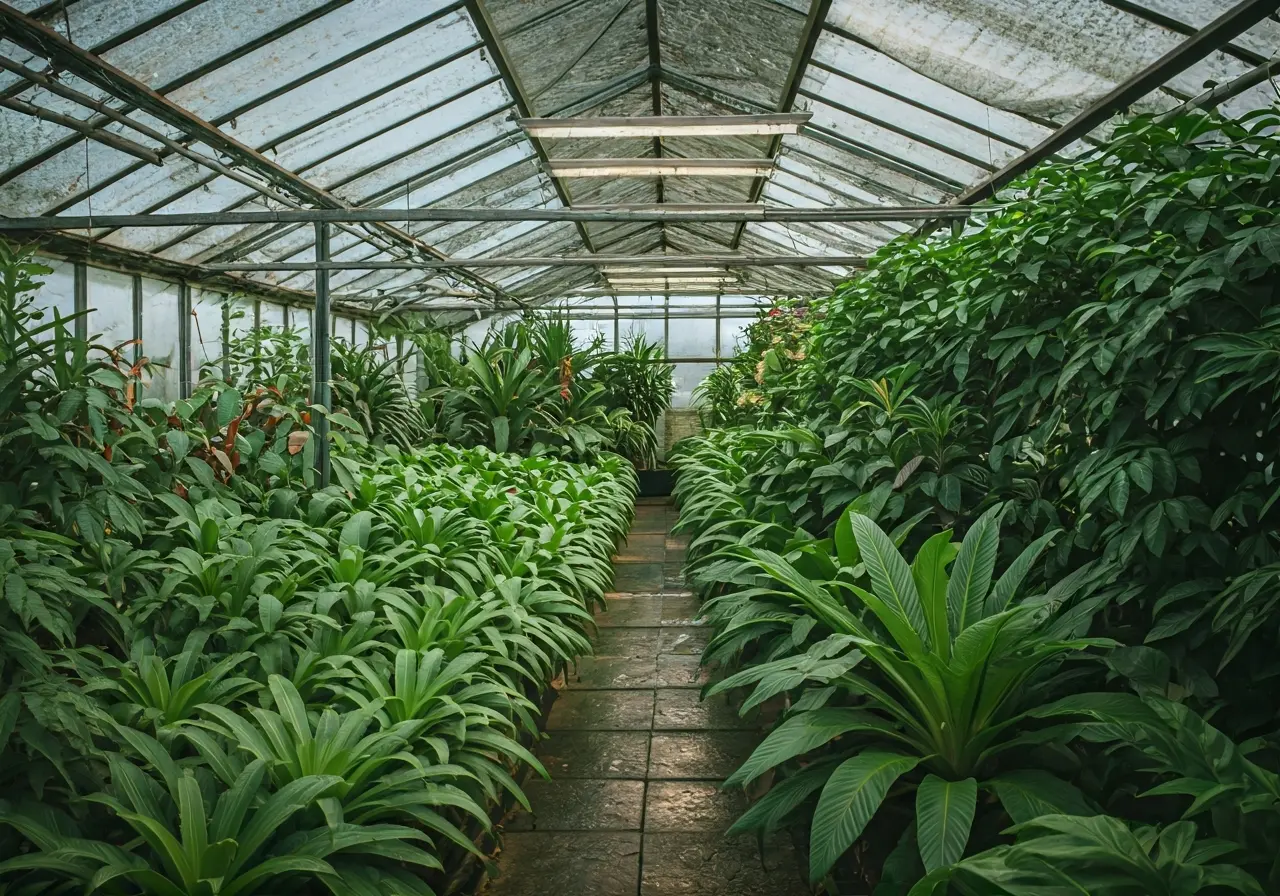
Welcome to the world of Controlled Environment Agriculture (CEA), an innovative approach that allows you to grow plants in optimized indoor conditions. Whether you’re a hobbyist or an aspiring entrepreneur, understanding the basics of CEA can set you on the path to successful and sustainable gardening.
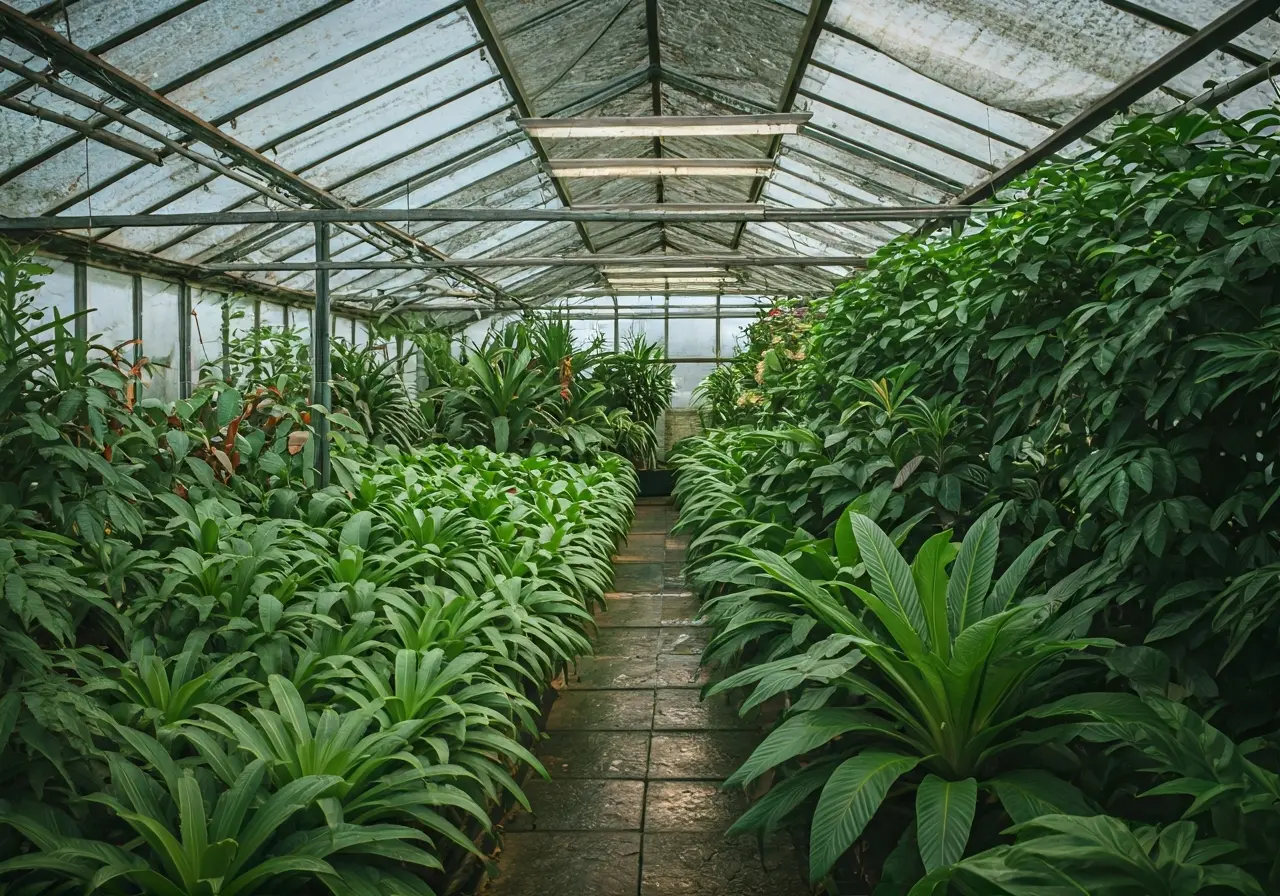
What is Controlled Environment Agriculture?
Controlled Environment Agriculture involves the cultivation of plants within a closed environment, where you can regulate various factors like temperature, light, water, and nutrients. This approach differs from traditional farming by offering the ability to grow crops in areas with less-than-ideal outdoor conditions. As technology advances, CEA is becoming increasingly accessible and popular among urban farmers who want to maximize their yield with minimal land use. This method not only proves advantageous in food deserts but also complements efforts towards local food sustainability.
CEA’s significance lies in its precision and adaptability. By controlling the environment, farmers can simulate optimal conditions that best meet the needs of specific crops. This fine-tuning ensures plants receive the exact care they require, promoting healthier growth. Unlike conventional agriculture, where factors such as weather, pests, and soil quality can pose unpredictable challenges, CEA allows growers to be proactive rather than reactive. This shift in agricultural practices is a critical step towards meeting global food demands efficiently and sustainably, without exhausting natural resources.
The Benefits of CEA
CEA provides numerous benefits, including the capability to grow produce throughout the year, pest management with minimal pesticides, and resource efficiency. Additionally, it supports urban agriculture, reducing the carbon footprint associated with food transportation. The continual production cycle is particularly beneficial in regions with harsh weather conditions, allowing fresh produce to be available irrespective of the season. Cultivating nutritive crops year-round supports not only individual households but also local communities by ensuring food security and contributing to economic resilience.
Moreover, CEA enables growers to harness innovative technologies such as vertical farming and artificial intelligence to further enhance productivity. Vertical farming, a pillar of CEA, allows for the stacking of plants in vertical layers, optimizing the utilization of space. This technique is especially useful in urban regions where land is limited. Meanwhile, AI tools can assist in monitoring plant health, automating nutrient distribution, and predicting harvest times, thereby reducing human error and labor costs. Embracing such innovations signal a promising future for sustainable agriculture.
Key Components of a CEA System
Successful CEA systems typically include climate control technologies, hydroponic or aquaponic systems, grow lights, and an automated nutrient delivery system. Each component plays a crucial role in creating the ideal growing environment for plants. Climate control ensures consistent temperature and humidity levels, which are vital for optimal plant growth. Various sensors and control systems monitor these variables constantly, allowing adjustments to be made in real-time.
Hydroponics and aquaponics represent two water-efficient methods of cultivating plants without soil. Hydroponics relies on nutrient-rich water solutions to deliver all necessary nutrients directly to the plant roots. Aquaponics, on the other hand, combines hydroponics with aquaculture, using waste produced by aquatic animals to fertilize the plants. Both systems emphasize sustainability by recycling water and nutrients, minimizing waste, and reducing the burden on traditional agricultural resources.
Grow lights simulate sunlight, ensuring that plants receive sufficient light to perform photosynthesis, regardless of natural light conditions. Technologies such as LED grow lights are highly efficient and customizable, allowing growers to mimic specific light spectrums required for different growth stages. Automated nutrient delivery systems further ease the management of CEA setups by precisely controlling the type and quantity of nutrients supplied to plants. These systems ensure that each plant receives optimal nutrition without over- or underfeeding.
Choosing the Right Plants for CEA
While most plants can thrive in controlled environments, starting with herbs, leafy greens, and small vegetables can be particularly rewarding for beginners. These plants usually have shorter growth cycles and less complex requirements. Varieties such as lettuce, spinach, basil, and cilantro are excellent options for those just venturing into CEA. Their resilience and rapid growth provide valuable learning experiences, enabling growers to refine their techniques before moving on to more demanding crops.
Understanding plant nutrition and growth patterns is vital when selecting crops for CEA. It’s essential to consider the specific conditions each plant prefers, such as temperature, light intensity, and humidity. For instance, while tomatoes thrive in warm, bright conditions, lettuces prefer cooler temperatures and less intense light. By tailoring your environment to the requirements of your chosen plants, you’ll set the stage for a productive and rewarding agricultural venture.
Getting Started: Tips for Beginners
Starting small with a simple setup allows beginners to learn and adapt without significant upfront investment. Focus on understanding the basic principles of plant growth and gradually experiment with different setups, while paying attention to factors such as space and budget. It’s advisable to begin with fewer plants, allowing you to dedicate attention to honing your skills in maintaining a controlled environment.
Connecting with local CEA communities, attending workshops, and participating in online forums can provide invaluable insights and support. Engaging with experienced growers offers the opportunity to learn from their successes and mistakes, significantly shortening your learning curve. Moreover, many resources dedicated to gardening technologies are available to guide you through the process of setting up and optimizing your own CEA system, ensuring that you make informed decisions at every step.
Overcoming Common Challenges
Challenges such as maintaining consistent environmental conditions and disease prevention are common in CEA. However, with vigilance and the implementation of best practices, these obstacles can be effectively managed, ensuring healthy plant growth. Regularly monitoring the environment through digital sensors and adjusting settings as needed can safeguard against sudden changes that might threaten your crops.
Addressing plant diseases proactively is crucial within controlled systems. Quarantine measures for new plants, regular sanitation practices, and biological pest control methods, such as introducing beneficial insects, can maintain the health of your growing environment. Additionally, embracing technologies like small space gardening solutions can further enhance your control over external variables, ultimately contributing to a flourishing and resilient CEA setup.
Embracing the Future of Farming
Controlled Environment Agriculture offers immense potential for sustainable and efficient farming, particularly in urban settings. By understanding and implementing the essentials outlined above, beginners can embark on a rewarding journey of innovation and growth. Dive in, experiment, and enjoy the process of nurturing your plants and your newfound agricultural expertise.