

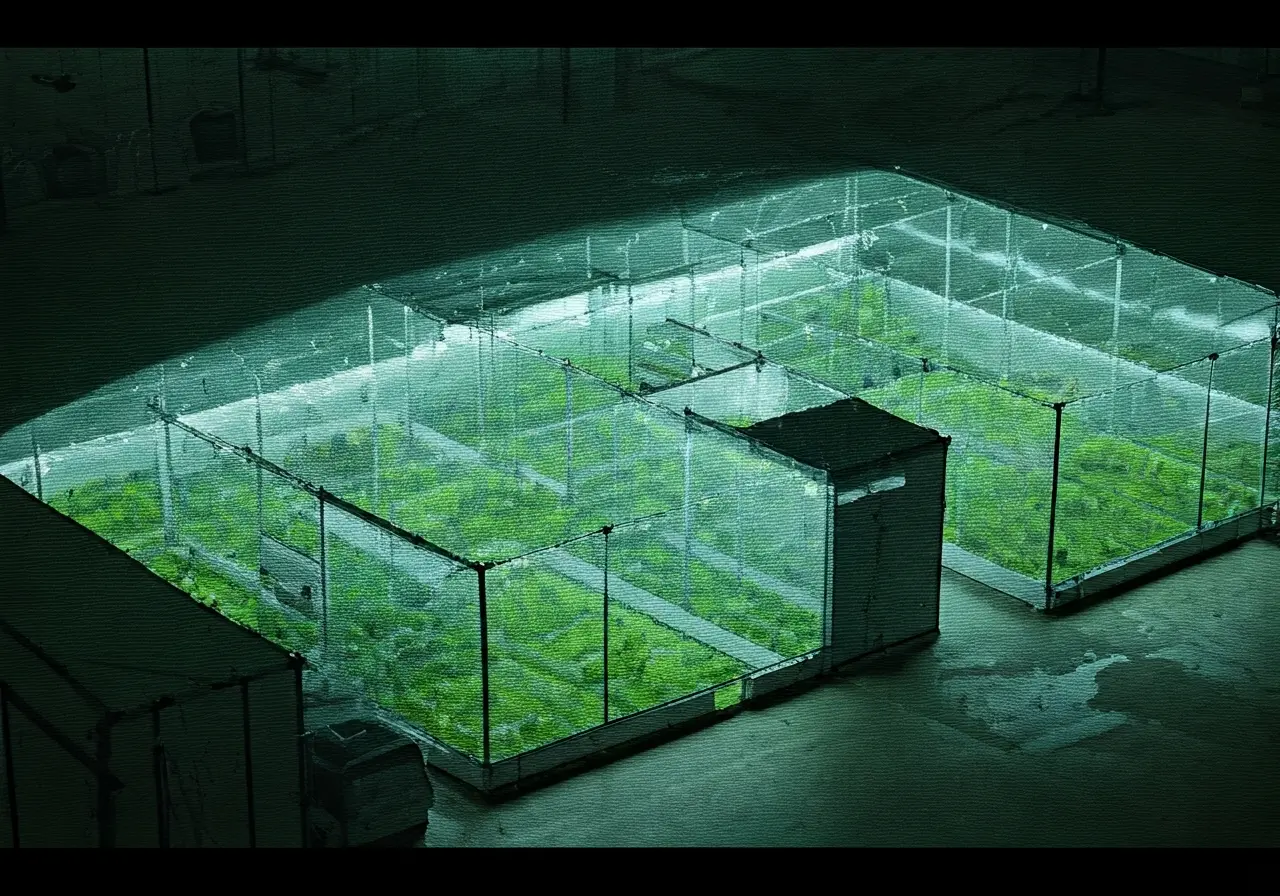
Designing an efficient and productive grow facility is critical for achieving success in cultivation. However, many common mistakes can derail your efforts. In this FAQ, we’ll explore the key pitfalls you should avoid to ensure your facility operates seamlessly and sustainably.
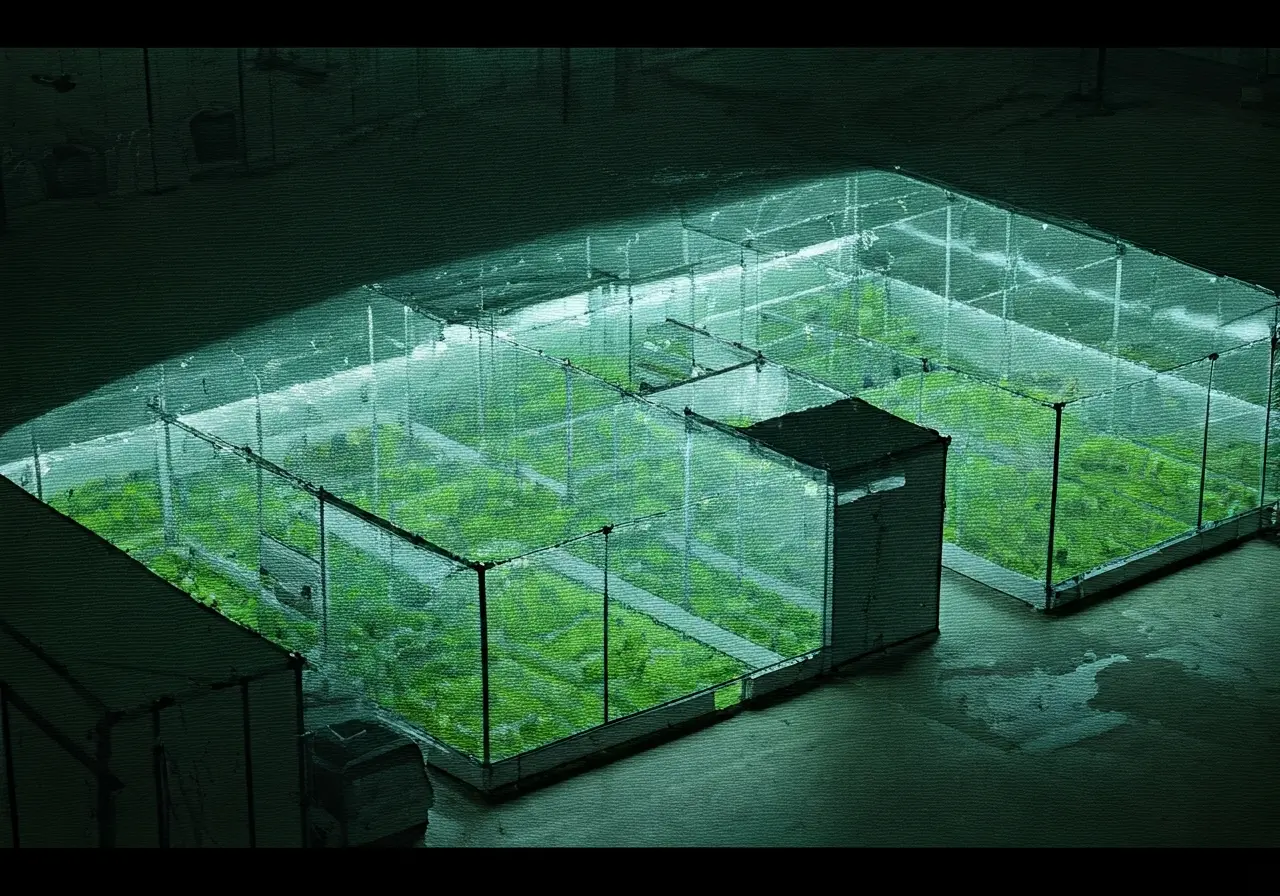
Neglecting Proper Ventilation
Adequate ventilation is crucial for maintaining optimal growing conditions. Without proper airflow, plants can suffer from mold, mildew, and poor growth. Plan for a robust ventilation system to ensure a healthy growing environment.
A well-ventilated grow facility not only prevents the buildup of humidity but also keeps carbon dioxide levels in check. Plants consume CO2 during photosynthesis, and inadequate levels can stunt growth. Installing a ventilation system with adjustable vents and fans helps maintain balance, promoting healthier plants and more bountiful yields.
Ignoring Energy Efficiency
Energy costs can quickly escalate, impacting your bottom line. Designing with energy efficiency in mind can save significant costs. Consider LED lighting, automated climate controls, and insulated materials to optimize energy use.
By implementing energy-efficient practices, your grow facility can significantly reduce its carbon footprint. For example, LED lighting uses less electricity while providing the full spectrum of light that plants require. Automated systems can keep energy usage consistent, reducing waste and aligning with sustainability goals.
Overlooking Water Management
Water management is fundamental to plant health, yet often overlooked. Implement a system that ensures consistent, adequate watering while minimizing waste. Opt for sustainable practices like drip irrigation and rainwater collection.
Efficient water use not only conserves resources but also reduces operational costs. Technology such as sensors and timers can automate irrigation, allowing for precise control over water delivery. Incorporating rainwater harvesting techniques can add another layer of sustainability, utilizing nature’s gifts to nourish your crops.
Ensuring the water quality is equally important. Contaminated water can introduce pathogens and chemicals harmful to plant growth. Regular testing and use of filtration systems can protect against these issues, providing plants with the clean, pure water they need to thrive.
Underestimating Space Requirements
Crowded spaces can impede plant growth and maintenance. Accurately calculate the space needed for each plant to thrive and allow room for equipment and personnel movement. This will ensure your facility can scale as needed.
Designing a grow facility involves more than just calculating space for plants. Consider pathways for employees, areas for storage, and potential expansions. Spatial awareness ensures efficient workflow, reducing time wasted navigating tight or cluttered areas. Foresight in planning can prevent costly modifications down the road.
Failing to Plan for Security
Protecting your investment involves considering security measures from the start. Incorporate security features like surveillance systems, secure access points, and fencing in your design to safeguard your facility.
In today’s climate, securing your grow facility is paramount. Design security systems with redundancy, ensuring they protect against both external threats and internal mishaps. Utilize advanced technologies such as motion detectors and biometric access to bolster defenses. This creates a secure environment, preserving both material and financial investments.
Summing It Up: Steering Clear of Design Pitfalls
By paying close attention to these potential missteps, you can design a grow facility that’s efficient, cost-effective, and scalable. Avoiding these common mistakes will help ensure your cultivation efforts are fruitful and sustainable.