

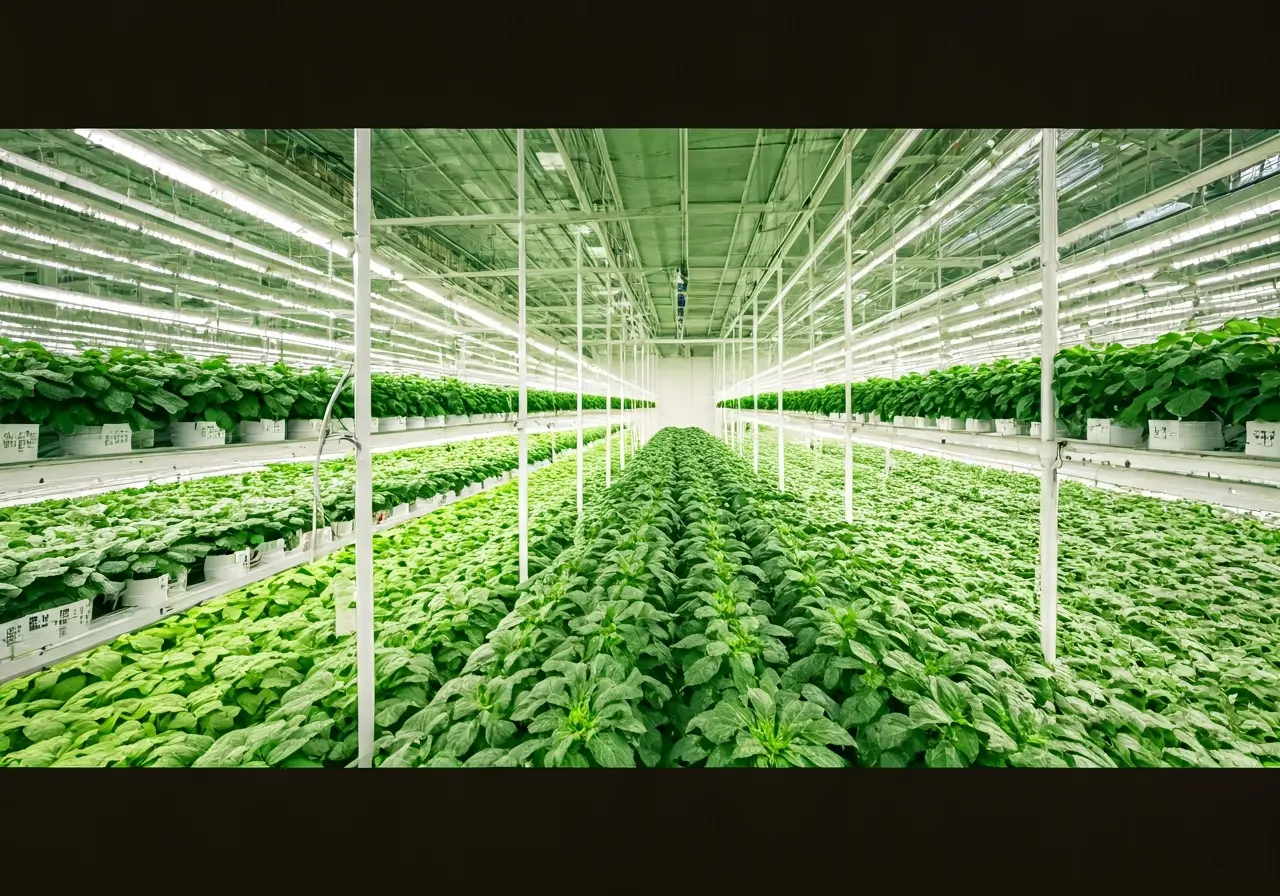
Designing a grow facility that maximizes yield while maintaining efficiency is both an art and a science. In this blog, we’ll uncover the key elements of grow facility design and how they contribute to optimizing production.
Understanding the Basics of Grow Facility Design
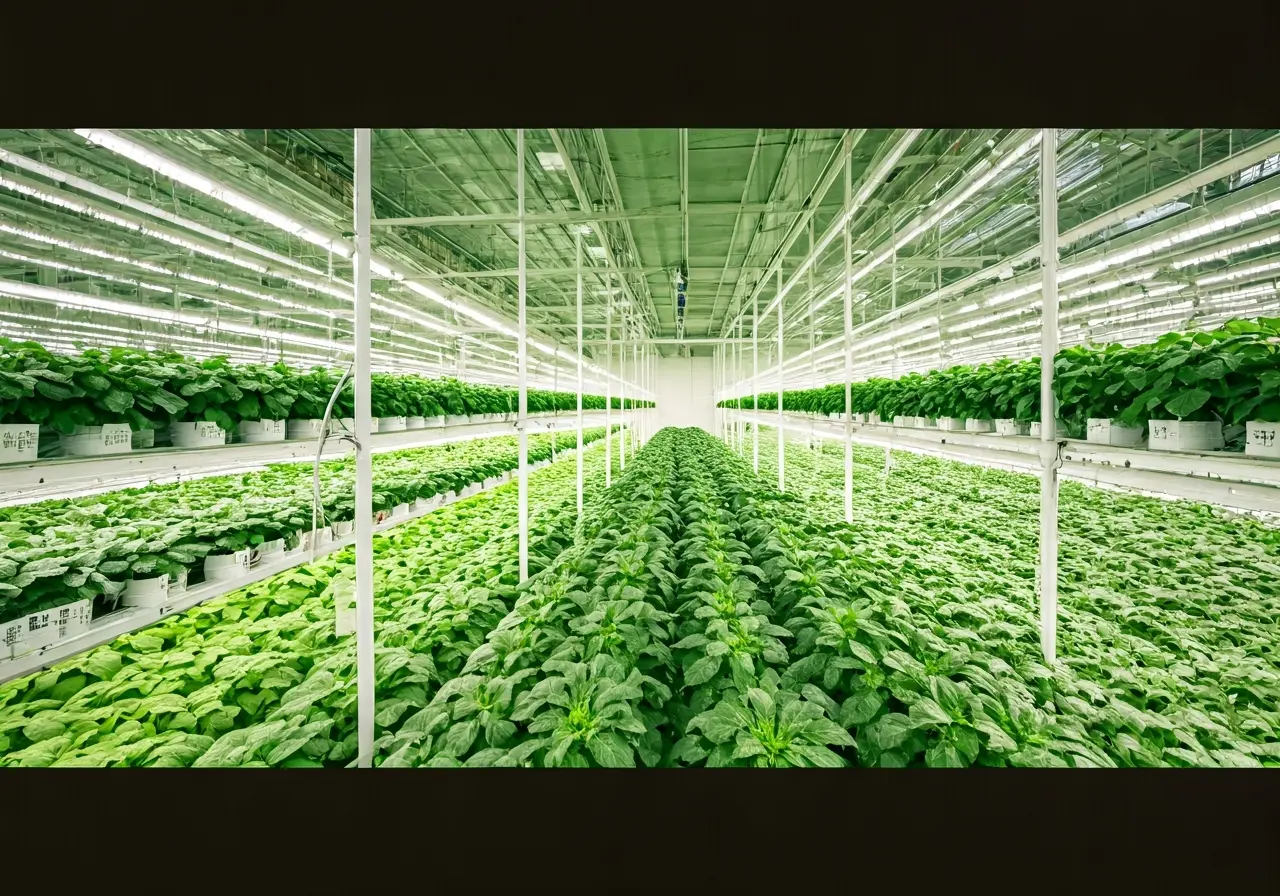
A clear understanding of grow facility design fundamentals is critical. This involves knowing the space requirements, plant needs, and ensuring environmental control. When starting with a grow facility design, it’s essential to evaluate your specific goals and the desired yield. The capacity of the facility will greatly govern the overarching design decisions. Considerations such as plant type, growth stages, and the market demand should also be included in the planning phase. Familiarity with local regulations and adherence to standards can save you time and resources in the long run.
Moreover, a well-planned design should incorporate flexibility for future expansion or adjustments. The capacity to reconfigure the grow space can be advantageous as the market shifts or as new technologies become available. Another crucial aspect is understanding the plant’s lifecycle and aligning the design to support each phase from germination to harvest efficiently. Conducting thorough research and possibly consulting with experts can provide insights that are not immediately visible but are crucial for long-term success.
Optimizing Layout for Better Productivity
An efficient layout is crucial for maximizing space and ensuring smooth operations. Learn how strategic planning of plant arrangement can significantly impact yield. At the core of a productive layout is the idea of minimizing wasted space and ensuring ease of access for routine maintenance and harvests. A popular method is using a modular approach, which allows for distinct separation of the different stages of plant growth, such as seedlings, vegetative growth, and flowering. This not only helps in managing care tailored to each stage but also optimizes workflows, ultimately contributing to higher yields.
Integrating vertical farming techniques into your layout design can also substantially increase the number of plants grown per square foot. The vertical layering of plants maximizes overhead space which traditionally goes unused. Choosing the right vertical farming systems and understanding their requirements are keys to successfully incorporating them into your design. Additionally, maintaining clear pathways for personnel and equipment ensures operational safety and efficiency. Implementing automated tracks or conveyors can further aid in reducing labor and improving consistency in plant care.
The Role of Lighting in Maximizing Growth
Light is a vital energy source for plants. This section delves into choosing the right lighting solutions and understanding their influence on plant growth cycles. The type and intensity of light directly affect not only the growth rate but also the quality and potency of the yields. LED lighting has become increasingly popular due to its efficiency and adaptability. It offers the capability to precisely manage the spectrum and intensity, allowing growers to tailor lighting setups to the needs of specific plant species and growth stages.
On the other hand, High-Intensity Discharge (HID) lamps are known for delivering high-intensity light that can facilitate robust growth during the flowering stage. Understanding the pros and cons of each type of lighting, as well as their cost implications, is crucial for making informed decisions. Implementing adjustable lighting systems can offer significant energy savings while ensuring optimal light coverage. Monitoring and adjusting the photoperiod, or the duration of light exposure, can significantly enhance photosynthesis and plant development processes, leading to maximum yield potential.
Importance of Ventilation and Climate Control
Proper ventilation ensures a stable growing environment. Discover how climate control systems help in maintaining ideal conditions for plant growth. A well-designed ventilation system is essential for controlling temperature and humidity levels, thereby preventing the growth of mold and pests. Implementing advanced air filtration systems can further bolster plant health by reducing airborne contaminants. Controlled airflow also helps in distributing carbon dioxide evenly throughout the grow space, which is crucial for photosynthesis.
Climate control encompasses a range of tools and technologies, from simple fans to sophisticated HVAC systems and smart controllers that automate environmental adjustments. By utilizing real-time monitoring systems, growers can receive detailed feedback on the current state of the grow environment and make necessary adjustments promptly. Precise climate management not only enhances plant health and increases yields but can also be a decisive factor in ensuring quality consistency across harvests. Such systems may represent a significant initial investment but tend to pay dividends in terms of yield enhancements and operational efficiency over time.
Incorporating Automation for Enhanced Efficiency
Automation can streamline operations and improve consistency. Explore the technologies available for automating processes within your grow facility. Automation technology has transformed the face of agriculture, offering solutions for everything from nutrient delivery to environmental control. Implementing an automated irrigation system can drastically reduce labor costs while ensuring plants receive the optimal amount of water and nutrients. Automation doesn’t end at irrigation; integrating systems to monitor and adjust lighting and climate settings can ensure the grow environment reacts swiftly to any changes.
Utilizing data analytics tools to collect and analyze information from sensors placed throughout the facility can provide insights into environmental conditions and plant performance. This data-driven approach can illuminate patterns and anomalies that would otherwise go unnoticed. Embracing technologies such as Remote Monitoring and Management (RMM) systems can facilitate oversight, even from afar, ensuring that your facility remains productive around the clock. Automation leads to not only reduced operational demands but also minimizes human error, ensuring a consistent quality of yield at scale.
Wrapping Up Your Grow Facility Blueprint
Creating a well-designed grow facility involves integrating various elements, from layout and lighting to ventilation and automation. By focusing on these essentials, you can enhance your facility’s productivity and achieve the highest possible yields.