

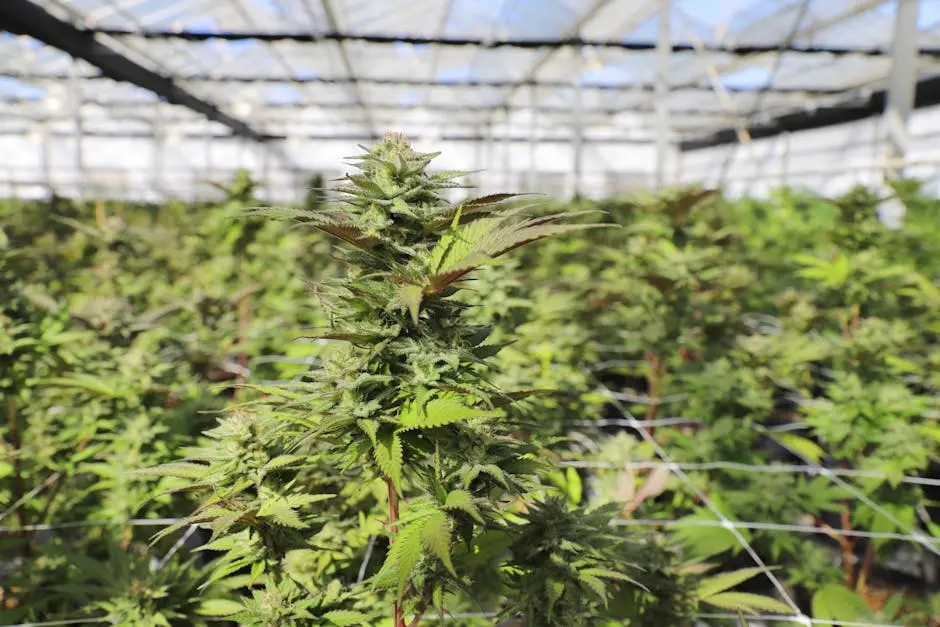
Cannabis cultivation requires a nuanced understanding of various factors, with irrigation standing out as a crucial one. In this blog, we’ll explore how different irrigation practices can impact the overall health of cannabis plants. Whether you’re a seasoned grower or a curious newbie, this guide aims to break down the essentials in a simple, easy-to-follow manner.
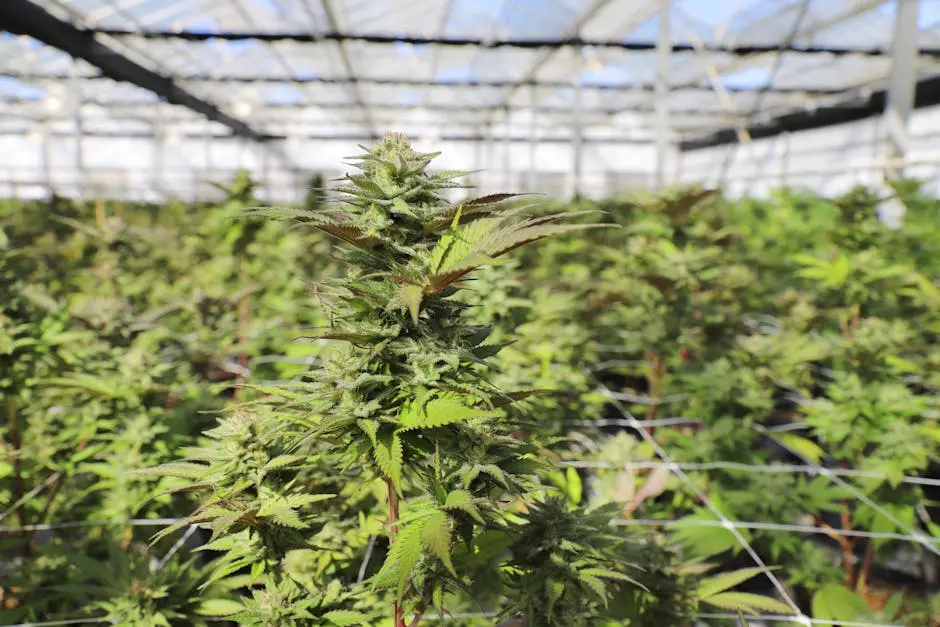
Why is Irrigation Important for Cannabis Plants?
Irrigation is vital as it ensures that cannabis plants receive the right amount of water to thrive. It influences nutrient uptake, plant vigor, and overall growth. Proper irrigation can significantly impact the quality and quantity of the harvest.
Think of irrigation as the lifeblood of your cannabis plants. Without the correct amount of water, plants buckle under stress, their growth stunted. Precise watering routines contribute to lush foliage and potent buds, making irrigation a cornerstone of successful cannabis cultivation.
Efficient irrigation methods can lead to healthier roots and better nutrient absorption. When roots are overly saturated, they can’t breathe properly, leading to diminished plant vitality. Conversely, inadequate watering stresses the plant, affecting cannabinoid levels.
Understanding Water Needs at Different Growth Stages
Cannabis plants have varying water needs at different growth stages. Seedlings require less water compared to flowering plants. Monitoring these needs can optimize growth and prevent common issues like overwatering or underwatering.
In the initial seedling phase, water lightly to encourage root expansion. As plants grow, adjust the water volume and frequency to accommodate their needs, ensuring that you never over-saturate their roots, especially during the sensitive germination stage.
As plants transition to the vegetative state, they demand more water to support their rapid growth. The flowering phase, however, is when water needs vary widely among strains. Some prefer drier conditions, promoting resin production and terpene profiles.
Choosing the Right Irrigation Method
Several irrigation methods exist, including manual watering, drip systems, and automated setups. Each method has its benefits and drawbacks, so growers should choose based on their setup, budget, and plant needs.
Manual watering offers control but demands significant time and attention. In contrast, drip systems provide consistent moisture while conserving water. Automated systems, while more costly, can fine-tune watering schedules without continuous oversight.
Consider factors like garden size and location when selecting an irrigation system. Automated systems often benefit larger operations by reducing labor, whereas smaller setups can thrive with efficient manual techniques.
Monitoring and Adjusting Water Quality
Water quality significantly affects plant health. It’s essential to check for pH levels, minerals, and potential contaminants. Adjusting the water quality to meet plant requirements can enhance growth and prevent growth issues.
Ensuring the water you use is free from harmful toxins and within an appropriate pH range is vital. The ideal pH for cannabis is slightly acidic, around 5.8 to 6.5. Using pH meters can help maintain these conditions.
Hard water, for instance, can build up minerals that may impede plant growth. Consider filtration methods to improve overall water quality and avoid potential blockages in drip irrigation systems.
Signs of Overwatering and Underwatering
Recognizing the signs of overwatering and underwatering is crucial. Overwatering can lead to root rot, while underwatering leads to wilting. Learning to identify these signs early on helps in making necessary adjustments promptly.
Overwatered plants often display yellowing leaves and wilting despite moist soil. Contrarily, underwatered plants exhibit dry, crispy leaves and stunted growth. Monitoring these signs can prevent further complications in your grow operation.
Using a moisture meter is a practical way to check the exact moisture level and avoid guesswork. Understanding these plant stress indicators not only saves your crop but optimizes overall yield.
Wrapping It Up: Key Takeaways on Cannabis Irrigation
Understanding the intricacies of cannabis irrigation can make a significant difference in the health and yield of your plants. By tailoring your watering methods and schedules to the specific needs of your cannabis plants, you can promote robust growth and prevent common issues. Remember, cultivating healthy plants is as much about observing and adjusting to their needs as it is about sticking to guidelines. For more insights on optimizing your cultivation practices, explore our homepage.