

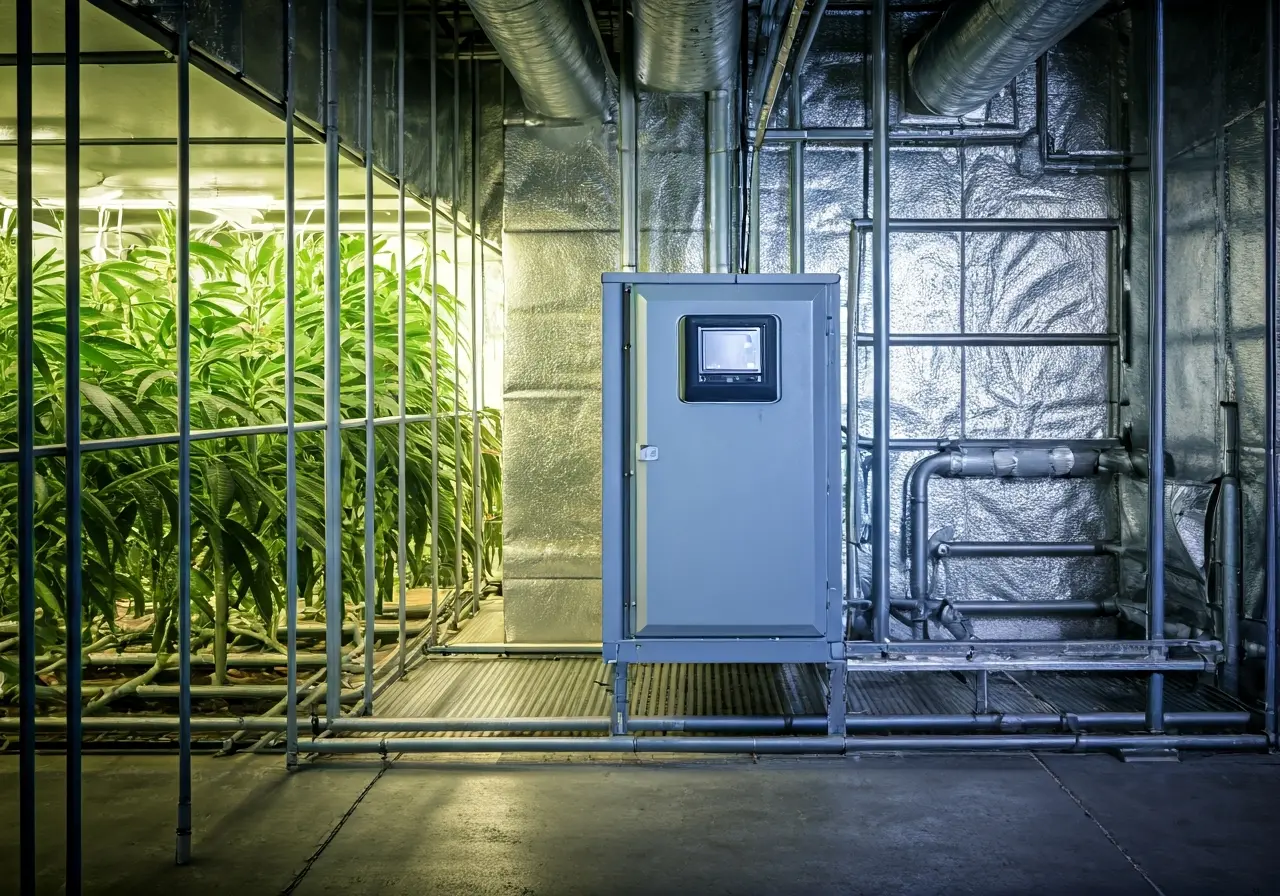
In the rapidly growing cannabis industry, efficient cultivation is key to success. Advanced HVAC solutions are becoming essential for growers looking to maximize their yield and ensure quality. Let’s explore why investing in state-of-the-art HVAC systems can be a game-changer for your cannabis cultivation.
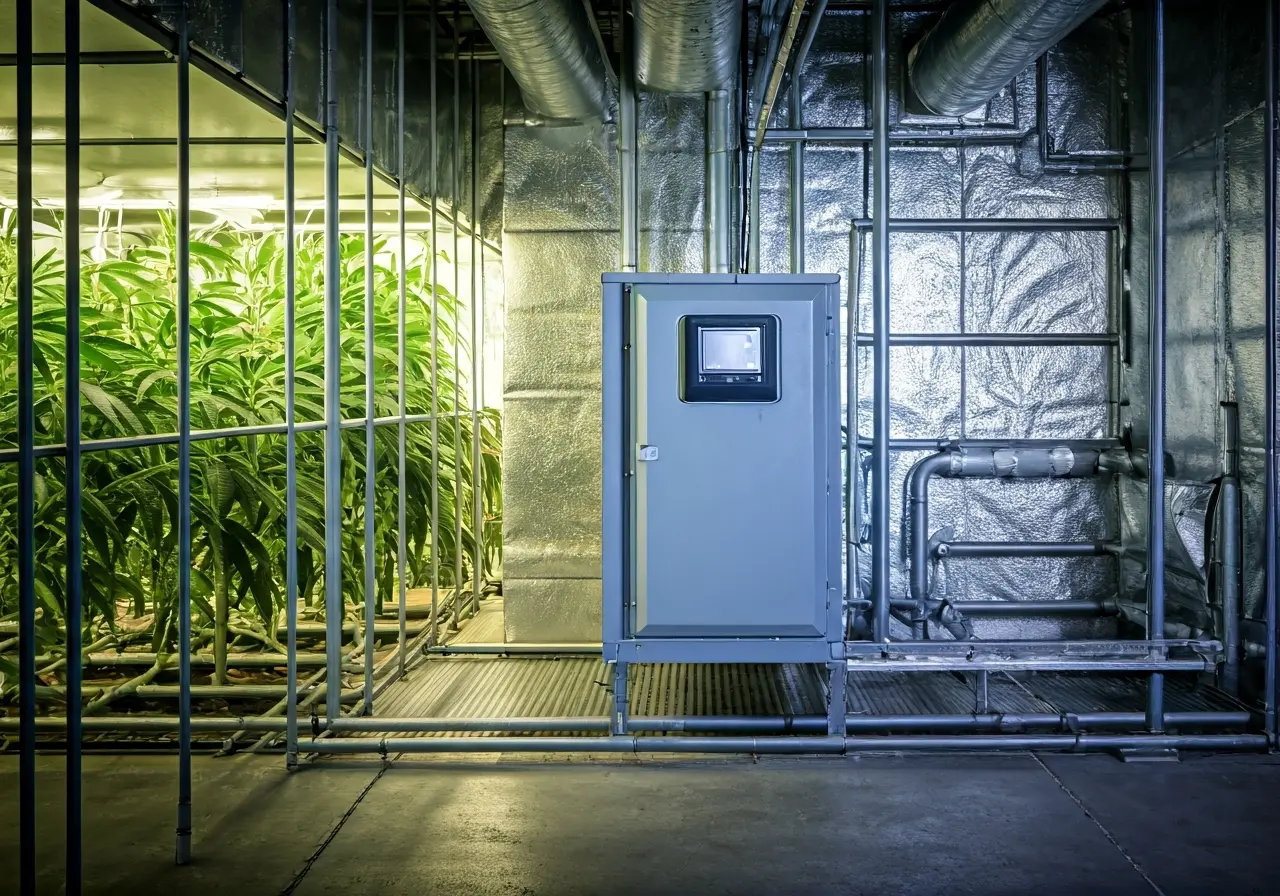
1. Maintaining Ideal Temperature Control
Temperature control is not just a luxury but a necessity in cannabis cultivation. Each strain has its own sweet spot for optimal growth, typically between 68 and 77 degrees Fahrenheit. Advanced HVAC systems allow precise temperature regulation by automatically adjusting to external weather changes, ensuring that your plants are never exposed to harmful fluctuations.
Such systems come with sensors and automated controllers that respond to any temperature shifts swiftly. This precision helps mirror outdoor conditions, fostering healthier plant growth. For example, certain hybrid strains thrive at slightly varied temperatures at different growth stages. An advanced climate control system can be programmed to adjust temperatures as your plants mature, enhancing their robustness and yield.
2. Enhancing Humidity Management
Humidity plays a pivotal role in cannabis cultivation. Young plants require higher humidity than their mature counterparts. With sophisticated HVAC solutions, you can seamlessly manage these fluctuating needs. Maintaining proper humidity levels prevents common cultivation problems like mold and mildew. These HVAC systems often come equipped with dehumidifiers specifically engineered for large-scale operations. They work in tandem with humidification units to maintain an environment that promotes growth while repelling pathogens.
3. Boosting Air Quality and Circulation
Air quality and circulation are crucial to keeping your cannabis plants healthy and pest-free. Proper airflow ensures an even distribution of carbon dioxide around the leaves, which is vital for photosynthesis. Advanced HVAC systems feature HEPA filters that capture airborne pathogens, preventing them from affecting your plants. This also reduces the risk of diseases spreading rapidly through your cultivation area.
Improved air circulation prevents hotspots in your cultivation areas, where heat could accumulate and stress your plants. By regularly replacing stale air with fresh, filtered air, advanced HVAC systems create an environment that’s conducive to plant growth and pest prevention. This meticulous air management synergizes with other aspects of your plant care routine, creating a holistic approach to optimal cannabis cultivation.
4. Improving Energy Efficiency
Energy efficiency isn’t just about saving on electricity bills; it’s also about sustainability and maintaining a minimal environmental footprint. Many advanced HVAC systems are designed with energy savings in mind, incorporating features like variable frequency drives and smart thermostats that reduce energy use. These systems adapt to real-time conditions, ensuring that your operation is always running at peak efficiency without wasting resources.
5. Facilitating Climate Control Customization
Cannabis cultivation facilities come in various sizes and configurations, and no two operations are alike. This necessitates a customizable climate control solution that can accommodate unique environmental needs. Modern HVAC systems offer modular designs that allow you to tailor solutions specific to your cultivation environment. Whether you’re growing on a large commercial scale or in a more intimate setting, the right HVAC solution can adapt to your specific parameters.
Customization extends beyond just temperature and humidity. Advanced systems integrate with cultivation management software, offering remote monitoring and control. This ensures that you can make real-time adjustments from anywhere, providing peace of mind as well as operational flexibility. These tailored controls can even predict and adjust for potential issues before they affect your plants, offering proactive care that aligns with modern agricultural expectations.
6. Ensuring Consistent Crop Yields
Consistency is king in commercial cannabis cultivation, where variability can lead to significant profit margins. By maintaining stable growing conditions, advanced HVAC systems can help ensure that your crop yields remain consistent season after season. This means controlling environmental factors that could lead to stress-induced issues like hermaphroditism or diminished potency levels.
Stable environments enable your plants to fully express their genetic potential, leading to reliable and predictable outputs. This is crucial when fulfilling supply contracts and meeting market demands. By integrating technology that allows for detailed analysis of plant stress responses, these systems facilitate better planning and response strategies, ensuring that your operating procedures are always one step ahead of environmental variability.
7. Reducing Environmental Impact
In today’s eco-conscious climate, it’s important for cannabis cultivators to consider the ecological footprint of their operations. Advanced HVAC solutions are designed to minimize energy use and waste, thereby reducing carbon emissions and environmental impact. Features such as heat recovery ventilation help to recycle warm air, which reduces the energy required to maintain stable temperatures inside.
8. Adapting to Technological Advancements
Staying ahead in the cannabis industry means keeping pace with technological innovations. HVAC technology experiences regular advancements, introducing new features and efficiencies that can benefit your cultivation facilities. From IoT compatibility to enhanced data analytics, modern HVAC systems are ever-evolving to meet industry demands. This adaptability ensures that your operation remains at the forefront of modern cultivation practices.
9. Ensuring Compliance with Regulations
Compliance with state and federal regulations is a non-negotiable aspect of cannabis cultivation. Many regulations pertain to the environmental conditions in which plants are grown, making advanced HVAC systems indispensable. These systems help ensure that every aspect of your operation meets or exceeds regulatory standards, from air quality to waste management practices.
Additionally, sophisticated climate control systems can provide documentation and data logs which are essential for demonstrating compliance during inspections. This automation not only reduces the risk of sanctions from regulatory bodies but also provides operational insights that can improve your cultivation processes over time. This level of control and record-keeping can offer confidence and security in an ever-evolving regulatory landscape.
10. Supporting Disease and Pest Prevention
Pathogens and pests are perpetual threats to cannabis crops. Advanced HVAC solutions play a proactive role in mitigating these threats by maintaining optimal growing conditions that are less conducive to infestations and outbreaks. With precise climate control, these systems reduce the risk of conditions that lead to disease manifestations and prove vital in integrated pest management plans.
11. Optimizing Nutrient Absorption
Optimal environmental conditions, ensured by advanced HVAC systems, allow plants to efficiently absorb the nutrients they need for healthy growth. Consistent temperature and humidity levels support robust root systems, which are essential for nutrient uptake. This is particularly important during critical growth phases such as flowering, where nutrient demands peak. By maintaining an ideal climate, plants transform nutrients into growth and potency, maximizing their essence for market demands.
12. Future-Proofing Your Cultivation Operation
The cannabis industry is dynamic, with new technological and regulatory shifts on the horizon. Investing in advanced HVAC systems means future-proofing your operations to withstand these changes. Equipping your facilities with state-of-the-art climate control technology shields your business from uncertainties by adapting to industry innovations and contributions.
These systems can also play a role in long-term strategic planning by providing data that can be analyzed for future trends, helping you make informed decisions about cultivation cycles, resource allocation, and expansion. Investing in these technologies indicates a commitment to quality, efficiency, and sustainability, setting your operation up for future success.