

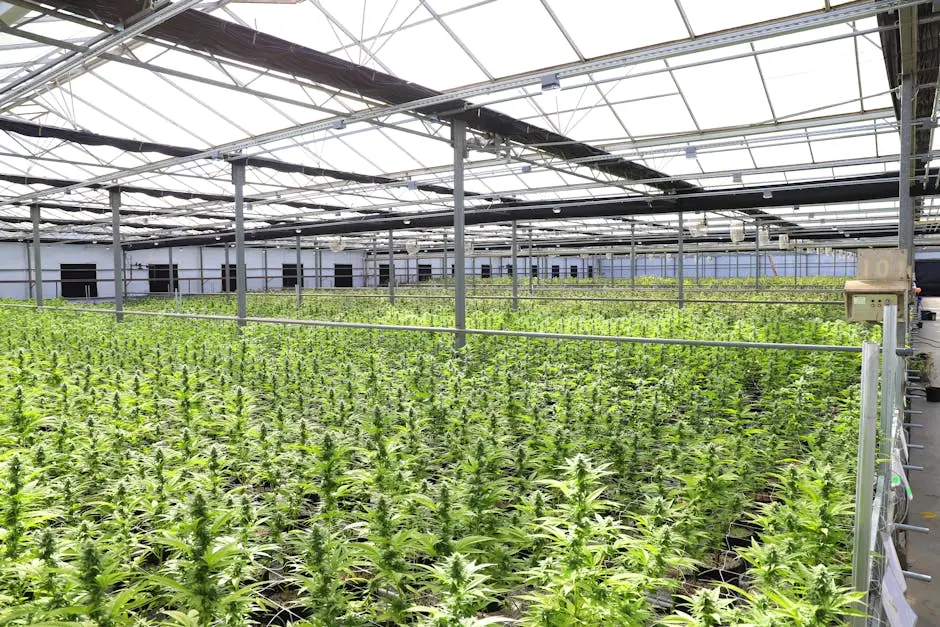
Installing HVAC systems for cannabis cultivation can be intricate and challenging. Avoiding common pitfalls can save both time and money, ensuring a productive and efficient grow operation. Let’s dive into some frequent mistakes and how you can steer clear of them.
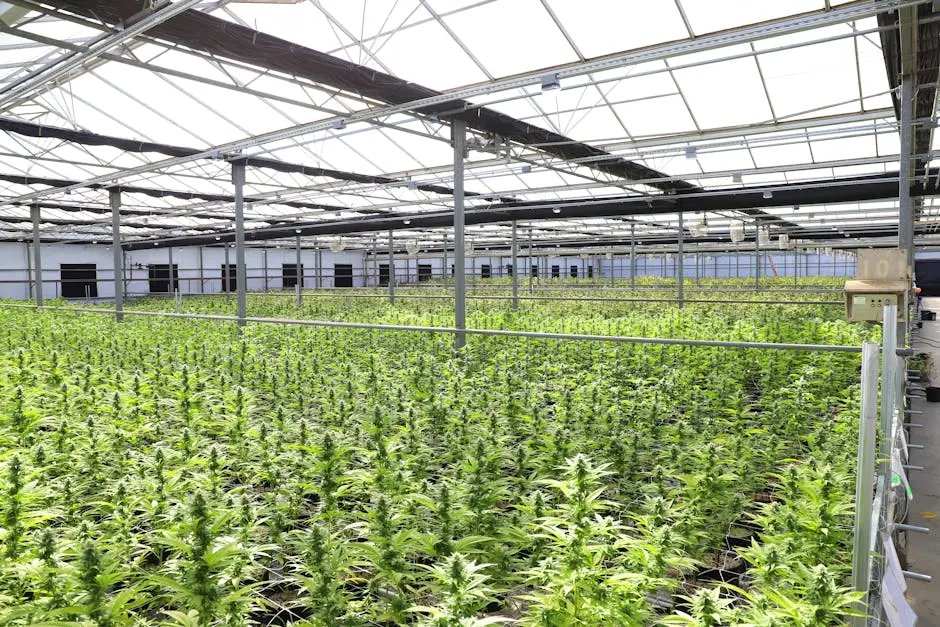
1. Ignoring the Size of Your Space
One of the most frequent mistakes is failing to account for the size of your grow space. An HVAC system that’s too small won’t adequately control the environment, while an oversized system can be wasteful and inefficient. It’s crucial to perform a detailed analysis of your space, considering variables like the number of plants, lighting, and desired environmental settings. Accurate calculations will ensure your HVAC system matches the needs of your cultivation area, conserving both energy and resources.
Moreover, understanding how your grow space will evolve over time is essential. As your operation expands, your HVAC system should have the capacity to scale up. Anticipating and planning for future needs can prevent costly overhauls and downtime. Investing time in designing a system that combines scalability with efficiency can significantly influence both short-term functionality and long-term success.
2. Overlooking Humidity Control
Humidity is crucial in cannabis cultivation. Ignoring proper humidity levels can lead to complications such as mold growth or plant stress. Mold and mildew can ruin a crop, disrupting the delicate balance needed for cannabis plants to thrive. Implementing a reliable dehumidification system as part of your HVAC setup ensures that humidity levels remain within a safe range. Integrate precise humidity controls to maintain the ideal balance, adapting to changes in growth stages.
Each growth phase in cannabis cultivation demands specific humidity conditions. During the vegetative stage, higher humidity mimics a tropical environment, whereas the flowering phase requires lower levels to prevent mildew. Investing in technology that offers solutions tailored to each plant growth stage can enhance the overall yield quality. Consider using advanced climate control systems to achieve precise humidity management.
3. Neglecting Airflow Design
Proper airflow is essential for plant health. A poorly designed airflow system can cause temperature discrepancies and uneven growth, making it vital to prioritize a strategic airflow layout. The right system ensures that air is evenly distributed throughout the grow room, preventing hot spots and ensuring that every plant receives a uniform climate. Strategic planning in airflow design involves understanding the layout of your grow space and integrating fans, ducts, and vents effectively.
Using oscillating fans strategically placed around the grow space enhances air circulation, replicating natural wind conditions and strengthening plant stems. This not only fosters stronger plants but also reduces the risk of pest infestations. The creation of consistent and controlled air patterns minimizes microenvironments where mold and pests can thrive. It’s wise to monitor airflow patterns regularly and adjust as necessary to ensure optimal conditions for plant development.
4. Underestimating Energy Requirements
Cannabis cultivation can be energy-intensive. Misjudging the energy needs of your HVAC system can lead to increased costs and potential outages. It’s essential to evaluate the specific energy demands of cultivation equipment, including lighting and air systems, to determine the correct power requirements. Leveraging energy-efficient models not only reduces costs but also minimizes the environmental impact of your operation.
Consider exploring renewable energy sources, like solar panels, to meet some of your power requirements sustainably. Transitioning to more energy-efficient HVAC systems can also drastically cut down operational costs over the long run. Financial savings can be redirectly invested into technology upgrades and production expansions, thereby fostering a continuous improvement cycle in terms of efficiency and sustainability.
5. Failing to Monitor and Adjust
The conditions in a grow room can change rapidly. Without regular monitoring and the ability to adjust your HVAC system, your plants might not thrive. Implementing automated controls can help maintain optimal conditions. Smart technology can track temperature and humidity levels in real-time, providing immediate feedback and automatic adjustments to maintain the perfect environment. These systems can be pre-programmed with ideal environmental parameters, minimizing the need for constant human intervention.
Furthermore, integrating remote monitoring capabilities allows for offsite management and immediate response to any changes in conditions. This ensures that any potential issues are resolved before they adversely affect the crops. With the integration of automated alert systems, cultivators can receive notifications about any deviation from set parameters, ensuring prompt corrective actions. It’s about creating a synergy between technology and traditional cultivation techniques to ensure the best possible outcomes.
6. Disregarding Proper Ventilation
Adequate ventilation is key to removing excess heat and replenishing CO2 levels. Skipping proper ventilation can adversely affect plant health, so it’s important to ensure your system caters to these needs. Plants rely on CO2 for photosynthesis, and without the right systems in place, your grow room’s air can quickly become stagnant and depleted, limiting growth potential. Proper ventilation facilitates the exchange of air, keeping CO2 at optimal levels and allowing plants to thrive.
Integrating a ventilation system that includes fresh air intake and exhaust capabilities is crucial. This not only helps in maintaining air quality but also aids in temperature regulation within the grow space. Consider using carbon filters to manage odor and prevent pest infiltration. Effective ventilation strategies will result in healthier plants and a more efficient cultivation process, supporting high yields.
7. Incorrect Duct Sizing
Choosing the wrong duct size can limit airflow and pressure balance, leading to less effective temperature control. Properly sized ducts are crucial for effective HVAC performance. It’s important to match duct sizes to your HVAC system capacity to maintain consistent temperatures and airflow. When ducts are too small, airflow can become restricted, causing the system to work harder and increasing energy consumption.
On the other hand, ducts that are too large can result in low air pressure and ineffective air distribution, leading to temperature variations. It’s important to engage with professionals who are experienced in HVAC installation for cannabis cultivation to ensure that duct sizing is aligned with system requirements. Proper planning in ductwork installation not only improves efficiency but also extends the lifespan of your HVAC system, minimizing the risk of breakdowns and costly repairs.