

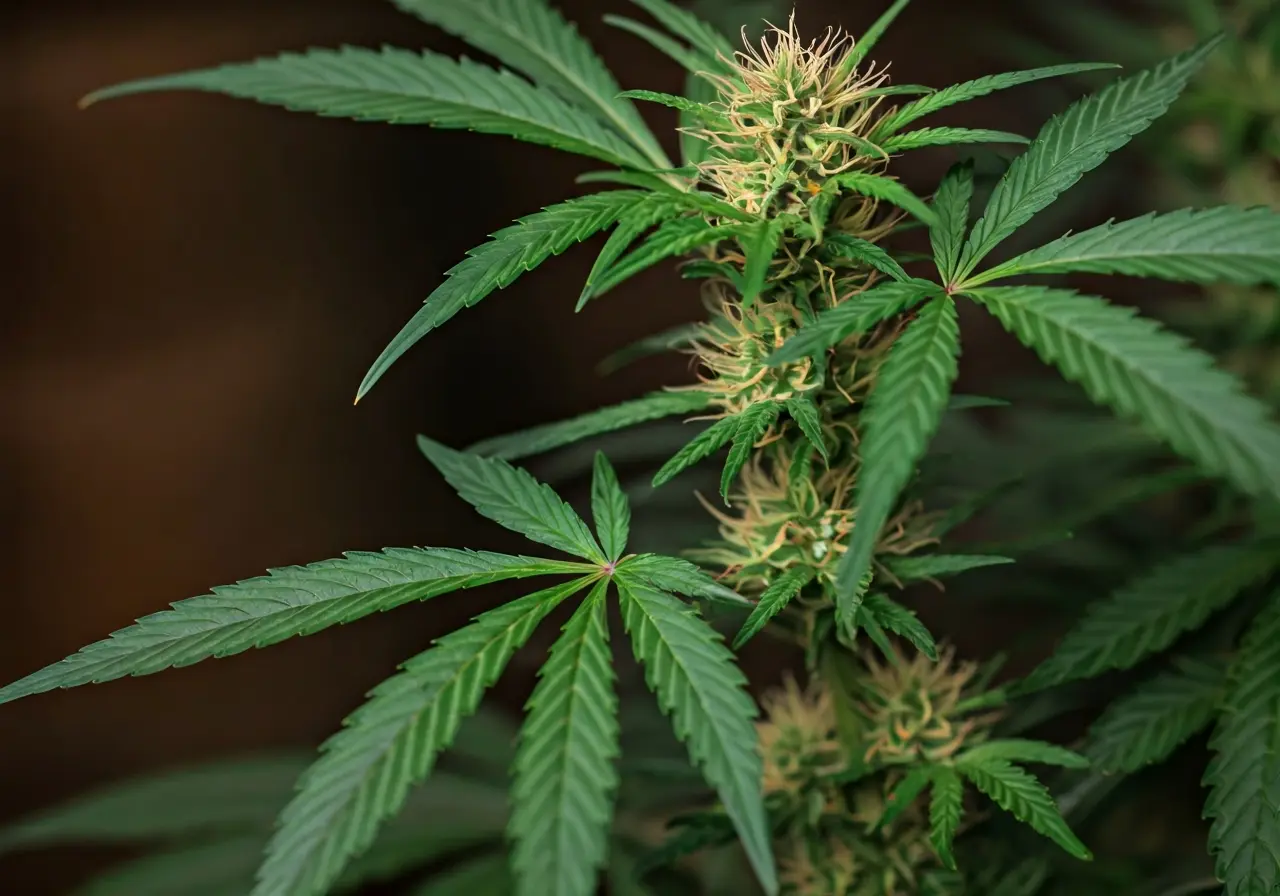
Irrigation systems are crucial for cannabis cultivation, ensuring that plants receive the precise amount of water they need to thrive. Whether you’re a seasoned grower or just starting, optimizing your irrigation setup can boost yield and conserve resources. Here are some practical tips to make the most of your cannabis irrigation system.
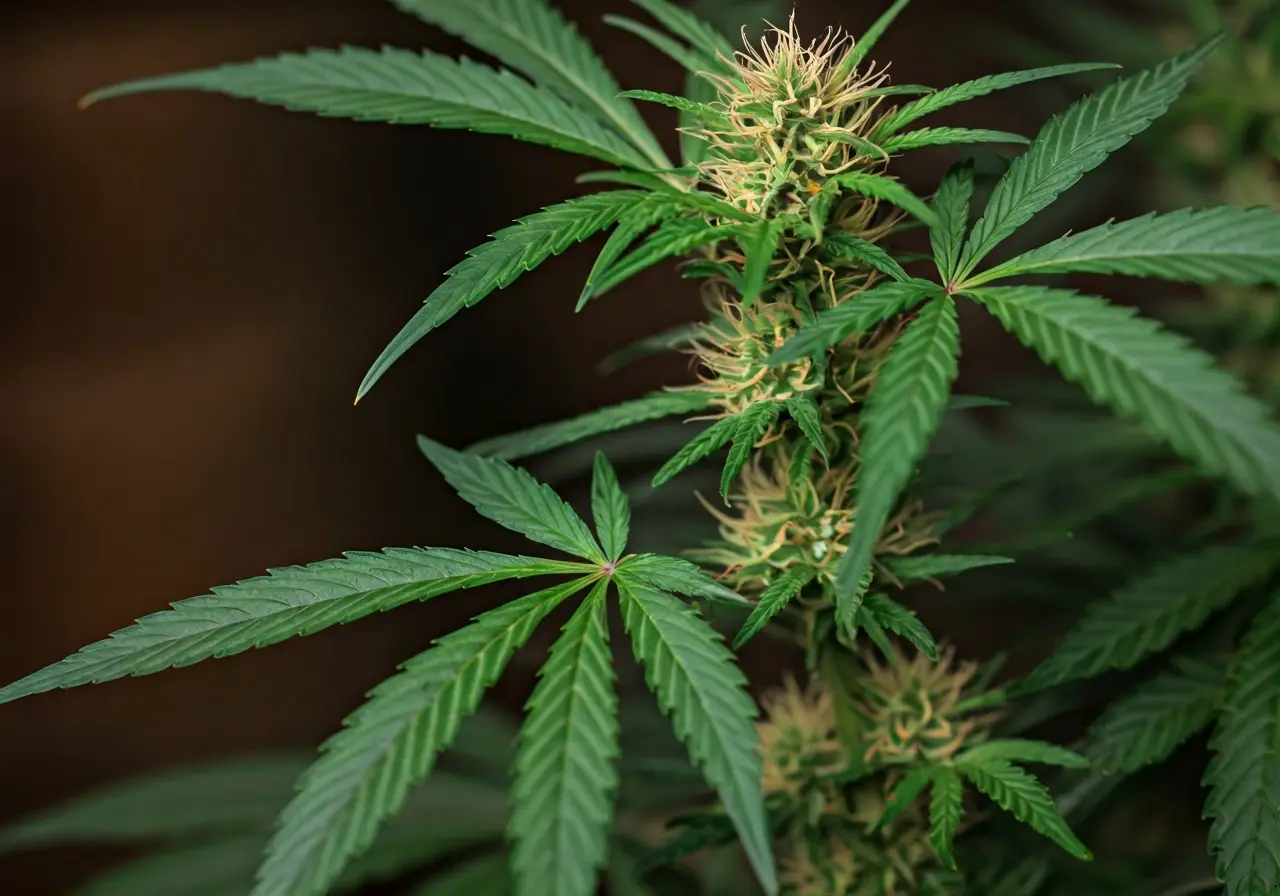
1. Understanding Your Plants’ Water Needs
Different strains and growth stages have varying water requirements. Knowing what your plants need will help you tailor your irrigation system effectively. For example, seedlings and young plants generally require less water than mature plants. Recognizing these distinctions ensures that your plants are not over or under-watered. This not only aids in healthy plant development but also prevents diseases associated with improper watering.
It’s vital to consider environmental factors such as temperature and humidity, influencing how much water your plants absorb. In warmer climates, plants might need more frequent watering, whereas in cooler environments, their water needs decrease. Additionally, cannabis roots thrive in well-aerated soil; thus, overwatering can lead to root rot, hampering growth. Understanding these nuances will help tailor your approach efficiently.
2. Choosing the Right Irrigation Method
Consider the pros and cons of drip systems, ebb-and-flow, and hand watering to decide which method suits your setup. Drip systems are great for efficient water use and target watering directly at the root zone, minimizing evaporation loss. Ebb-and-flow systems, on the other hand, provide periodic flooding and draining of your grow medium, which can be ideal for hydroponic setups.
Hand watering allows for greater control and flexibility, adapting to each plant’s immediate needs, but it demands more labor and consistent attention. Each method has its possibilities, depending on your cultivation goals and the size of your grow operation.
3. Monitoring Soil Moisture Levels
Regularly checking soil moisture ensures your plants are neither under nor over-watered, maintaining optimal health. You can use moisture meters or the simple finger test to determine soil dryness. This practice protects against common issues like root rot and nutrient lockout, ensuring your cannabis plants have a strong, healthy root system.
Staying vigilant about soil moisture can drastically impact yield. Precise moisture management influences nutrient uptake efficiency and root growth, which are critical for maximizing production. Consistent monitoring can often lead to healthier plants and better harvests, by maintaining a perfect moisture balance.
4. Incorporating Automation for Consistency
Automated systems can provide consistent watering schedules, reducing manual labor and the risk of human error. Options range from simple timers to advanced, fully-integrated systems that monitor environmental conditions and adjust watering cycles accordingly. Automation not only ensures regularity in watering but is also a time-saver for larger operations.
For those wanting a tech-savvy approach, smart irrigation controllers allow remote control of your system via smartphone apps. This makes it possible to tweak settings on the go, ensuring your plants always receive the right amount of water, regardless of external changes.
5. Ensuring Quality with Water Filtration
Filtering your water eliminates impurities that can affect nutrient uptake and plant growth. Impurities such as chlorine, heavy metals, and pathogens are common in tap water, which might be detrimental to sensitive plants.
Installing a water filtration system can greatly enhance your grow room’s results. It ensures clean water for your plants, leading to healthier and more bountiful crops. With cleaner water, mineral buildup is reduced within the irrigation system, preventing blockages and improving system longevity.
6. Balancing Nutrients in Your Water Supply
Ensure that your water is not just pure but also nutrient-rich to support vigorous plant growth. Cannabis plants require a balanced mix of macro and micronutrients, which are delivered efficiently through the water.
Using a nutrient solution tailored to cannabis plants can increase yield and plant vitality. Keep a regular check on pH and nutrient levels in your water supply to align with the growth phase, enhancing absorption and preventing nutrient imbalances that can stunt growth.
7. Regular Maintenance and System Checks
Routine maintenance prevents inefficiencies and ensures your irrigation system operates at peak performance. A clogged or malfunctioning system could lead to uneven watering, impacting plant health.
Performing regular checks on hoses, emitters, and pumps can identify and fix issues before they affect your crop. Maintaining system efficiency can also contribute to water conservation, a vital consideration for environmentally conscious growers. Keeping up with these procedures safeguards your investment and enhances overall plant health.