

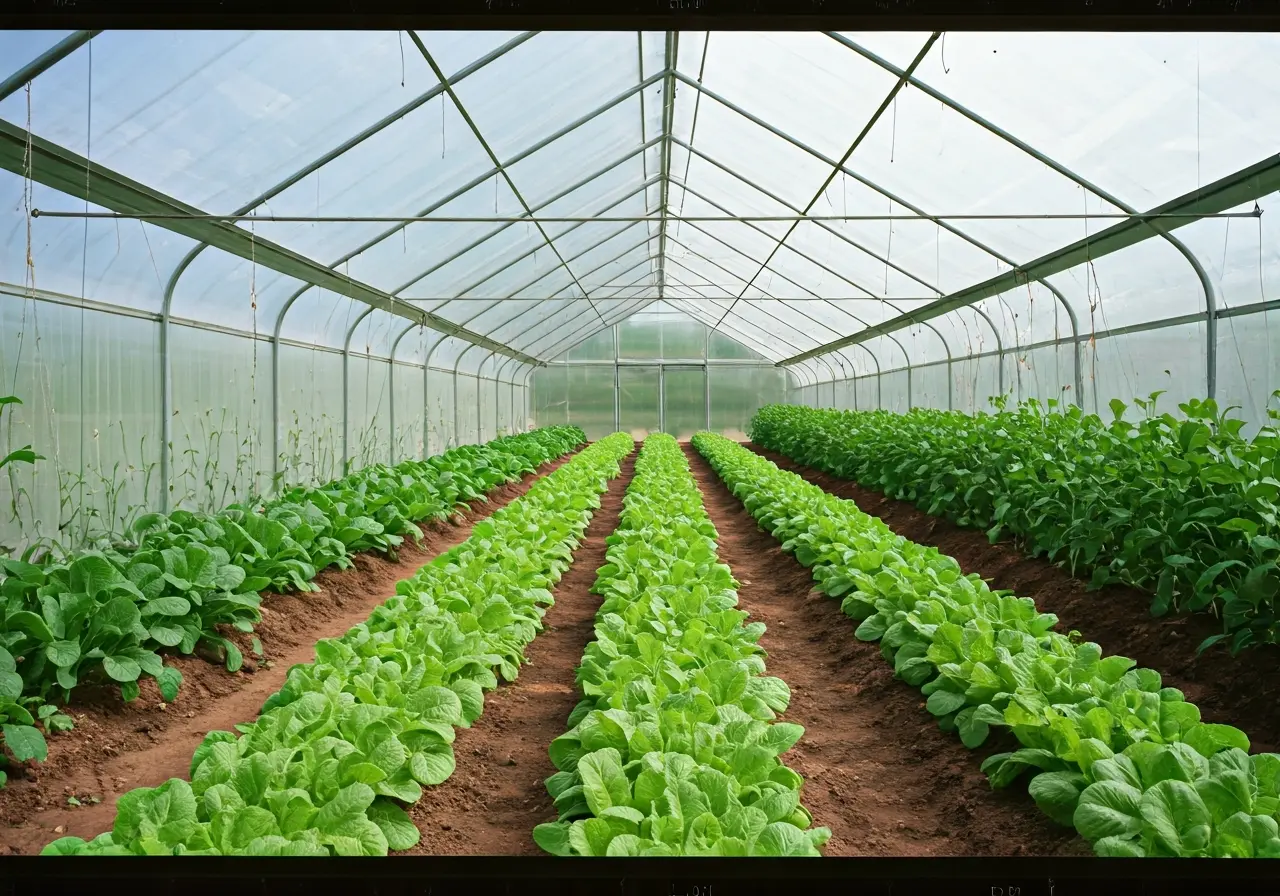
Greenhouses play a pivotal role in modern agriculture, offering a controlled environment where crops can thrive. However, the design of a greenhouse can significantly influence not only the quality of the produce but also the overall yield. In this blog, we will explore how various design elements of a greenhouse can impact the growth of crops, ensuring you get the best results from your investments.
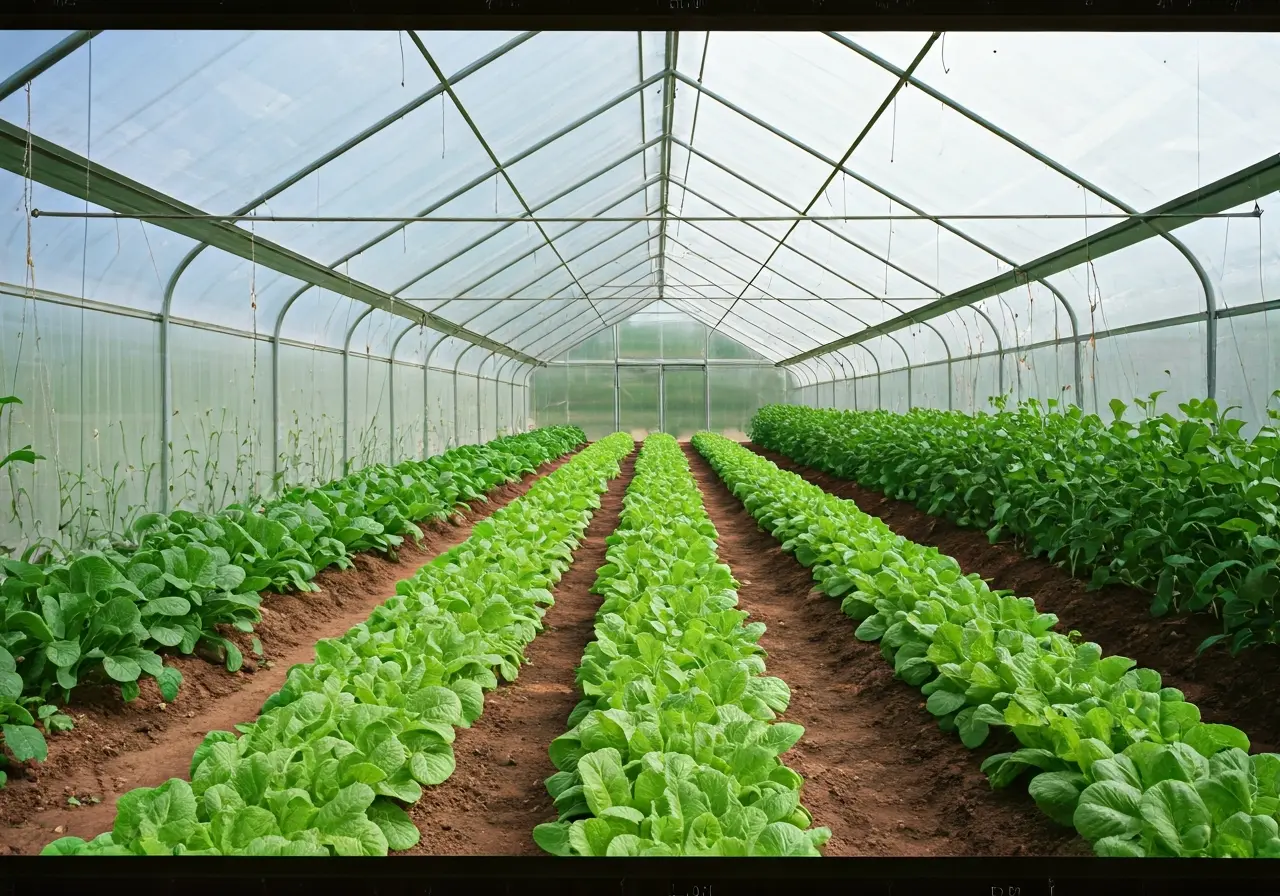
The Role of Temperature Control in Greenhouse Design
Temperature is a critical factor in plant growth. Greenhouse designs must prioritize effective temperature regulation to optimize crop health and productivity. This section delves into the ways heating, cooling, and insulation systems are integrated into greenhouse structures.
Maintaining an optimal temperature in a greenhouse is all about balance. Too much heat can lead to wilting, while too little can stunt growth. Greenhouse designers often incorporate a combination of natural and mechanical systems to control the temperature efficiently. For instance, passive solar heating can be used in conjunction with shading systems that prevent overheating during peak sunny hours. Additionally, incorporating materials like thermal mass helps in storing heat during the day and releasing it at night, thus stabilizing the temperature fluctuations.
One innovative solution is the use of automated climate control systems. These systems use sensors to monitor temperature and can adjust heating or cooling mechanisms automatically to maintain the ideal conditions. Such advancements not only reduce manual intervention but also ensure that the crops are consistently nurtured in their desired environment, which can significantly boost both yield and crop quality.
Light Management: Harnessing the Power of the Sun
Light is the lifeblood of any plant. We’ll discuss how greenhouse designs capitalize on natural sunlight and use additional lighting systems to ensure crops receive the necessary light for photosynthesis, impacting both yield and quality.
To optimize light exposure, modern greenhouses often utilize structures such as high ceilings and strategically placed windows that capture the maximum amount of natural sunlight. Clear roofing materials like glass or polycarbonate are also popular choices as they allow for maximum light penetration. However, in regions with limited sunlight, designers might incorporate supplemental grow lights, which provide additional spectra necessary for plant development, mimicking natural sunlight effectively.
Moreover, light management systems that adjust the intensity and duration of artificial lighting based on plant needs help reduce energy consumption while enhancing growth cycles. These programmable systems are especially beneficial during the winter months when natural light is insufficient, hence enabling year-round cultivation. By carefully managing light, growers can significantly impact the photosynthetic efficiency, thereby boosting productivity and improving crop quality.
Ventilation and Humidity Control for Optimal Growth
Ventilation is essential for maintaining the right balance of humidity and CO2 levels within a greenhouse. Learn how different design techniques, such as window placement and fan systems, contribute to an ideal growing climate.
Essentially, good ventilation is key to reducing the risk of disease and facilitating fresh air exchange, which is necessary for photosynthesis. Advanced designs employ both natural and mechanical ventilation methods. For example, ridge and side vents can be designed to open and close automatically based on humidity and temperature sensors. Fan systems can further enhance air movement, ensuring that no areas of the greenhouse become stagnant.
On the humidity front, a fine balance ensures that plants retain enough moisture to stay healthy without creating a breeding ground for molds and diseases. Humidity sensors, in combination with misting or dehumidification systems, can help maintain this balance. Effective humidity control not only enhances plant health but also improves energy efficiency, as less power is used for heating and cooling when moisture levels are optimized.
Material Choices: Glass vs. Polyethylene
The materials used in greenhouse construction can greatly affect both the quality and yield of crops. This section compares popular materials like glass and polyethylene and discusses their advantages and implications for crop production.
Glass, a traditional choice for greenhouse construction, offers durability and excellent light transmission. Its robustness can withstand extreme weather conditions and provide long-lasting service. However, it requires a solid structure to support its weight and may be susceptible to breakage and high heat loss during cold nights.
On the other hand, polyethylene is lightweight and offers a flexible solution with lower initial costs. It’s particularly favored for its ease of installation and the ability to be replaced easily. Polyethylene films, however, may need replacement every few years and typically provide less insulation compared to glass. Choosing between the two involves considering factors like the climate, budget, and specific crop needs. Interestingly, many modern greenhouses opt for a hybrid approach, using polycarbonate materials, which offer a balance between the two traditional choices.
Incorporating Technology for Precision Agriculture
As agriculture technology advances, integrating smart systems into greenhouse designs becomes increasingly important. Explore how sensors, automation, and data analysis can enhance crop management and outcomes.
Precision agriculture within greenhouses employs a wide range of technologies that provide real-time data to help manage plant health and growth. Sensors for soil moisture, temperature, and nutrient levels can alert growers of potential issues before they impact crop yield. Automation systems connected to these sensors can adjust irrigation or nutrient delivery automatically, ensuring optimal conditions and minimizing resource waste.
Furthermore, data analytics plays a crucial role in modern greenhouse management, offering insights into crop cycles and predicting future yields. Combining IoT devices and AI, greenhouse operators can optimize planting schedules, anticipate pest invasions, and improve overall efficiency. Technology not only facilitates more precise growth strategies but also supports sustainable practices by reducing energy and water usage through monitored automation and data-driven decisions.
Maximizing Crop Potential Through Thoughtful Greenhouse Design
The design of a greenhouse can make a remarkable difference in both crop yield and quality. By understanding and applying optimal design principles, farmers can create an environment that maximizes the potential of their crops, ensuring abundant and high-quality produce. Whether it’s innovative roof designs, proper ventilation, choosing the right materials, or incorporating technology, each detail contributes to a thriving and productive greenhouse. To learn more about creating your perfect greenhouse setup, visit Cultivation Warehouse.