

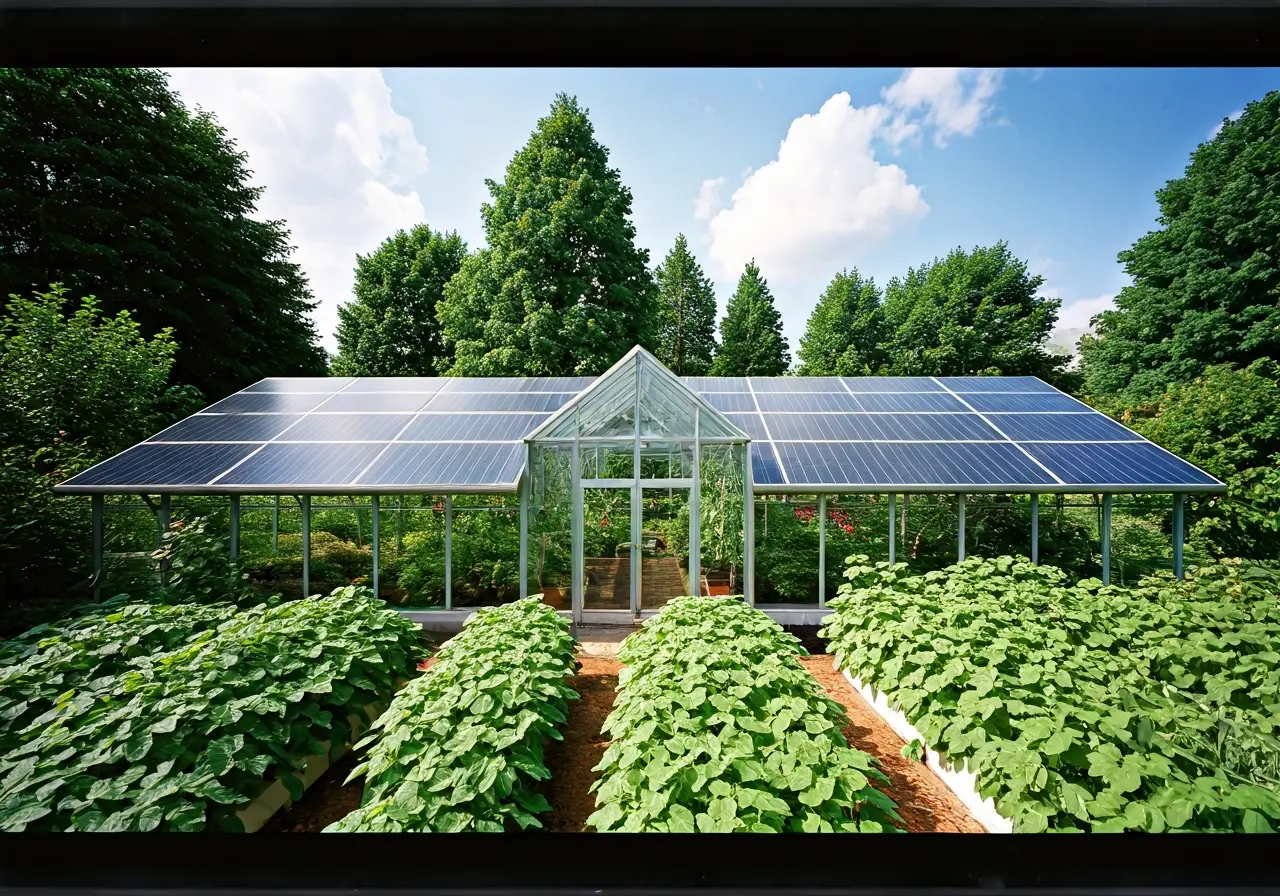
In today’s world, sustainable farming is more important than ever, and greenhouses play a crucial role in this movement. With the right design, a greenhouse can significantly boost productivity while minimizing environmental impact. In this blog, we’ll explore some exciting and innovative greenhouse design ideas that can help you create a more sustainable farming environment.
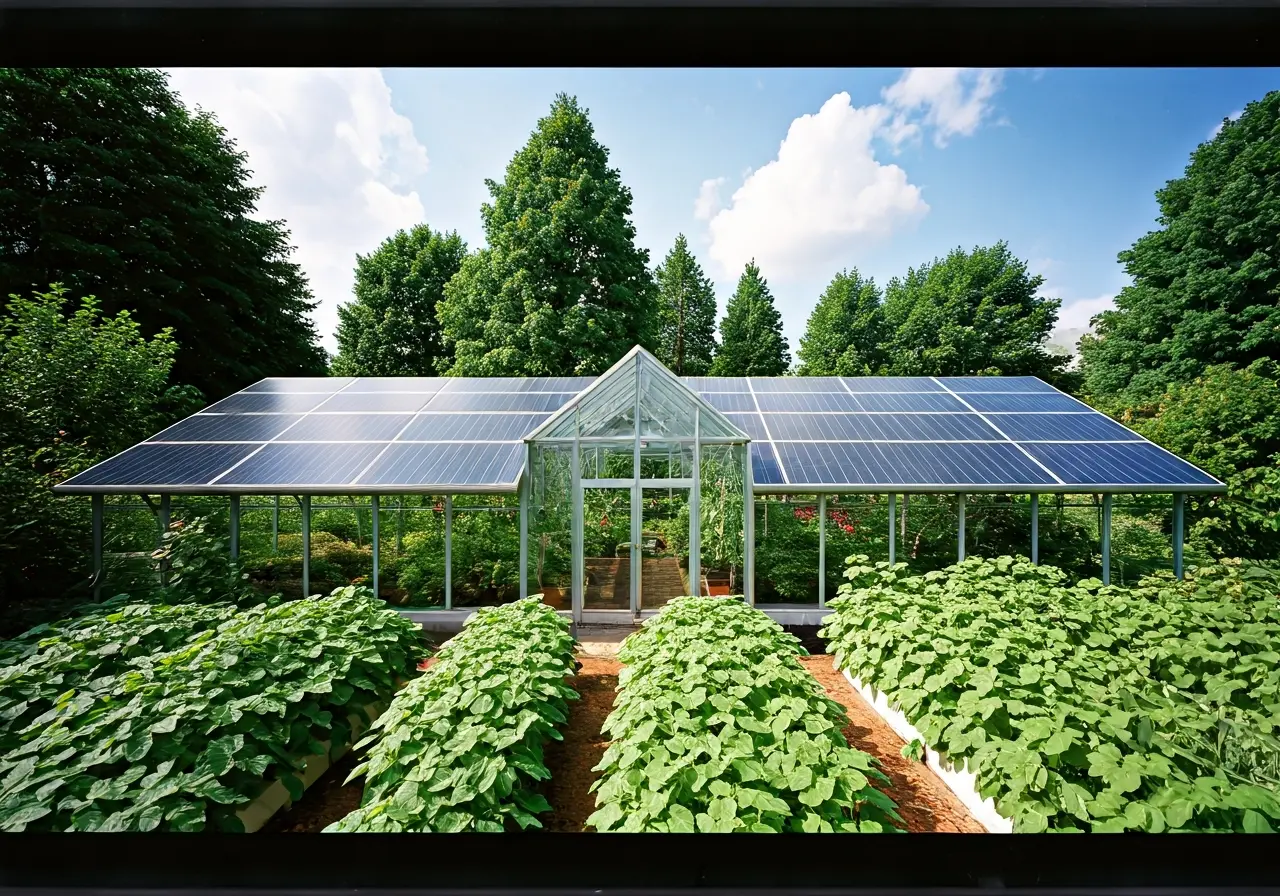
1. Harnessing Solar Energy for Efficiency
Utilizing solar panels on your greenhouse can substantially reduce energy consumption. By capturing and storing solar energy, you can power lighting, heating, and automated systems, ensuring a self-sufficient growing environment. Solar energy can be particularly beneficial during the colder months when natural sunlight is scarce. With the right setup, your greenhouse can become a beacon of energy efficiency, relying less on non-renewable resources. It’s a surefire way to contribute to the eco-friendly future of farming.
Implementing solar power doesn’t just stop at panels. Consider integrating solar thermal systems, which can be used to heat water for irrigation or to warm the greenhouse itself. This approach not only reduces reliance on external heating sources but also maximizes the utilization of solar energy captured. Exploring advances in solar technology will open up new possibilities, offering an array of solutions tailored to different greenhouse sizes and needs. It’s a step towards fostering a green environment where innovation meets sustainability.
2. Aquaponics: Combining Plant and Fish Cultivation
Aquaponics is an innovative greenhouse design that integrates fish farming with plant cultivation. The waste produced by the fish serves as a natural fertilizer for plants, creating a symbiotic environment that conserves water and nutrients. This system not only enhances plant growth but also produces fresh fish, offering a dual yield from the same infrastructure. It’s a harmonious cycle where plants clean the water for the fish, creating a self-sustaining ecosystem.
Further, aquaponics reduces the need for chemical fertilizers and pesticides, as the nutrient-rich effluent from fish is naturally beneficial to plants. This method promotes biodiversity and contributes to a balanced ecosystem, making it a star player in sustainable agriculture. As you venture into aquaponics, you’ll find that it’s a cost-effective option that requires less maintenance while maximizing output. This integration of life forms not only optimizes resources but exemplifies sustainable synthesis in modern farming.
3. Vertical Farming for Space Optimization
Vertical farming maximizes the use of space within your greenhouse. By stacking plant beds vertically, you can grow more crops in a smaller area, increasing yield without expanding your footprint. This concept is especially valuable in urban environments where space is at a premium. Embracing vertical farming can revolutionize how we view space and productivity in greenhouses.
The technical aspect of vertical farming involves using hydroponic or aeroponic systems to deliver nutrients directly to the roots, further maximizing efficiency. This strategy not only economizes space but enhances growth rates by ensuring constant nutrient and water supply. Technological advancements are making vertical farming more accessible, allowing for innovations in automated systems that monitor plant health and optimize energy use. It’s the perfect blend of technology and agriculture, fostering rapid growth in constrained spaces.
4. Rainwater Harvesting Systems
Incorporating a rainwater harvesting system into your greenhouse design can help conserve water resources. Collected rainwater can be used for irrigation, reducing the reliance on external water sources and contributing to a sustainable farming practice. Weather patterns can be unpredictable, but with a rainwater system in place, you’re equipped to use natural resources to your advantage.
The strategic design of rainwater systems involves installing gutters and large storage tanks to capture and direct rainwater. By filtering and purifying this water, you can ensure it’s safe for your plants and contribute to a cleaner agricultural process. The environmental benefits are significant, as you’re limiting the depletion of local water supplies and promoting an eco-friendly farming operation. Rainwater harvesting represents a practical, yet profoundly effective, approach to resource conservation in agriculture.
5. Eco-Friendly Heating Solutions
Greenhouses require heat, especially in colder climates. Consider incorporating eco-friendly heating solutions, such as geothermal or biofuel systems, to maintain ideal temperatures while minimizing environmental impact. Efficient heating is crucial to ensure plants thrive, and eco-friendly options can provide consistent warmth without overburdening your energy costs.
Biofuel systems, particularly those utilizing agricultural waste, provide dual benefits: they recycle waste produce and supply sustainable energy. Meanwhile, ground-source geothermal systems capitalize on the earth’s natural warmth, maintaining constant temperatures even in winter. These options demonstrate that sustainable doesn’t mean compromising performance. Embracing these measures can drastically curtail carbon emissions and align with larger environmental conservation goals.
6. Implementing Smart Greenhouse Technology
Smart technology in greenhouses allows for precise control over conditions like lighting, temperature, and humidity. Implementing sensors and automated systems helps optimize growth conditions while reducing waste and inefficiencies. Smart systems integrate seamlessly into your greenhouse operations, providing real-time data and alerts for any deviations in the environment.
Advancements in smart technology mean you can monitor and adjust your greenhouse conditions remotely. From adjusting irrigation schedules to customizing growth settings based on specific crop requirements, smart technology is a game-changer. These innovations save time, minimize error, and enhance crop quality. With smart systems, you can customize conditions for maximum productivity, ensuring your plants receive the optimal care they need to flourish.
7. Natural Ventilation for Better Airflow
Designing your greenhouse with natural ventilation systems ensures better airflow and temperature regulation without the need for additional energy. Features like adjustable vents and strategically placed windows can greatly enhance the growing environment. Effective ventilation not only keeps temperatures stable but also helps prevent mold and mildew, common issues in high-humidity environments.
Natural ventilation systems capitalize on the principles of convection. Warm air rises and escapes through higher vents, while cooler air is drawn in through lower openings. This simple yet effective design reduces dependency on artificial climate controls, saving energy and fostering a healthier plant environment. It underlines the potential of smart design choices in promoting sustainability in a greenhouse setting.
8. Utilizing Recyclable and Sustainable Materials
Building a greenhouse with recyclable and sustainable materials not only reduces the carbon footprint of your construction but also aligns with eco-conscious farming practices. Consider materials like recycled plastics, bamboo, or certified sustainable wood. The choice of materials can significantly impact the greenhouse’s durability and environmental impact.
Opting for sustainable materials means you’re contributing to a closed-loop system where resources are continually reused and waste is minimized. These choices foster an aesthetically pleasing environment that supports plant growth without compromising ecological integrity. By prioritizing sustainable materials, you help in the fight against climate change while creating an innovative space conducive to growth. It represents a commitment to future-ready farming where responsibility meets innovation.