

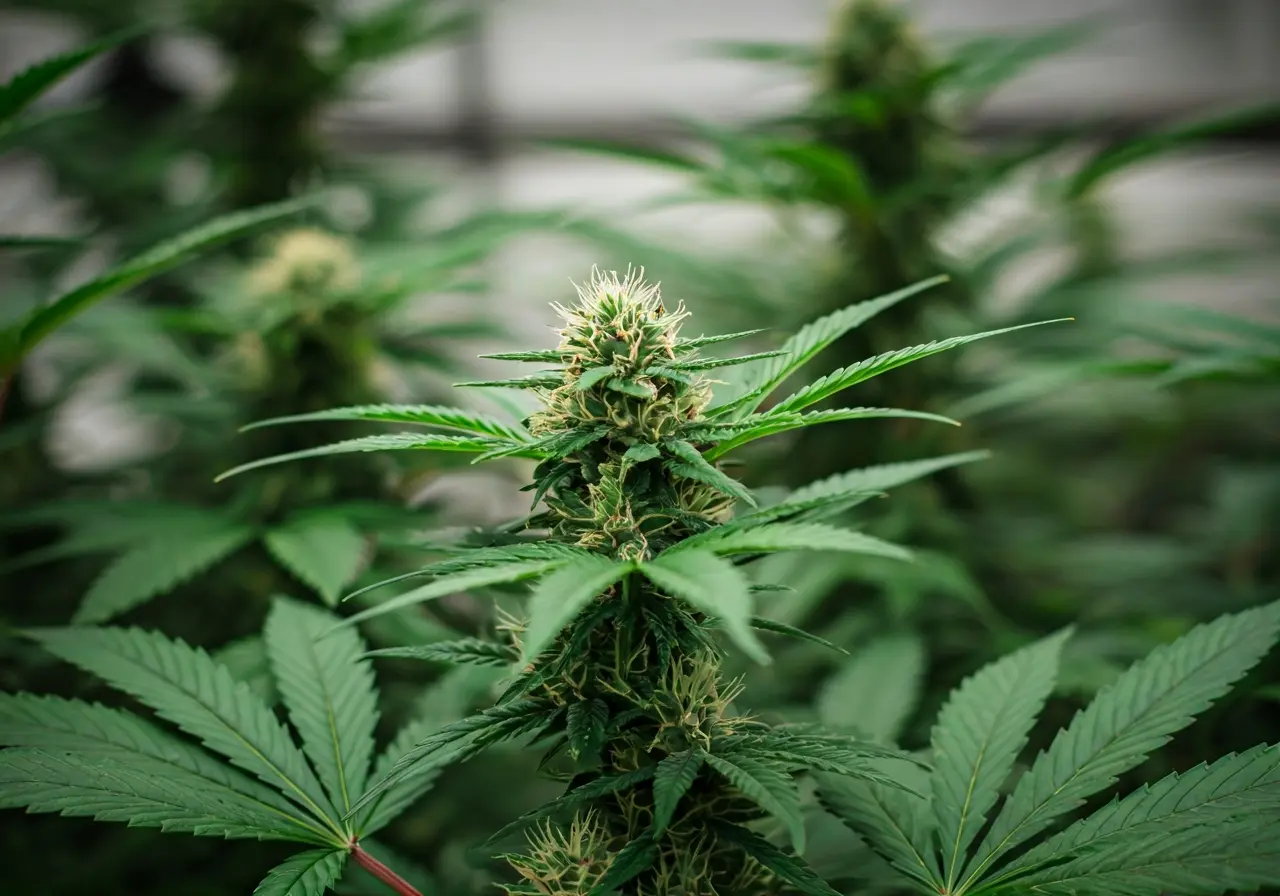
Embarking on your cannabis cultivation journey can be both exciting and a bit overwhelming, especially with all the modern technology available to enhance growth. Whether you’re a beginner or just looking to sharpen your skills, understanding these essential tips will help you make the most of your cannabis cultivation technology.
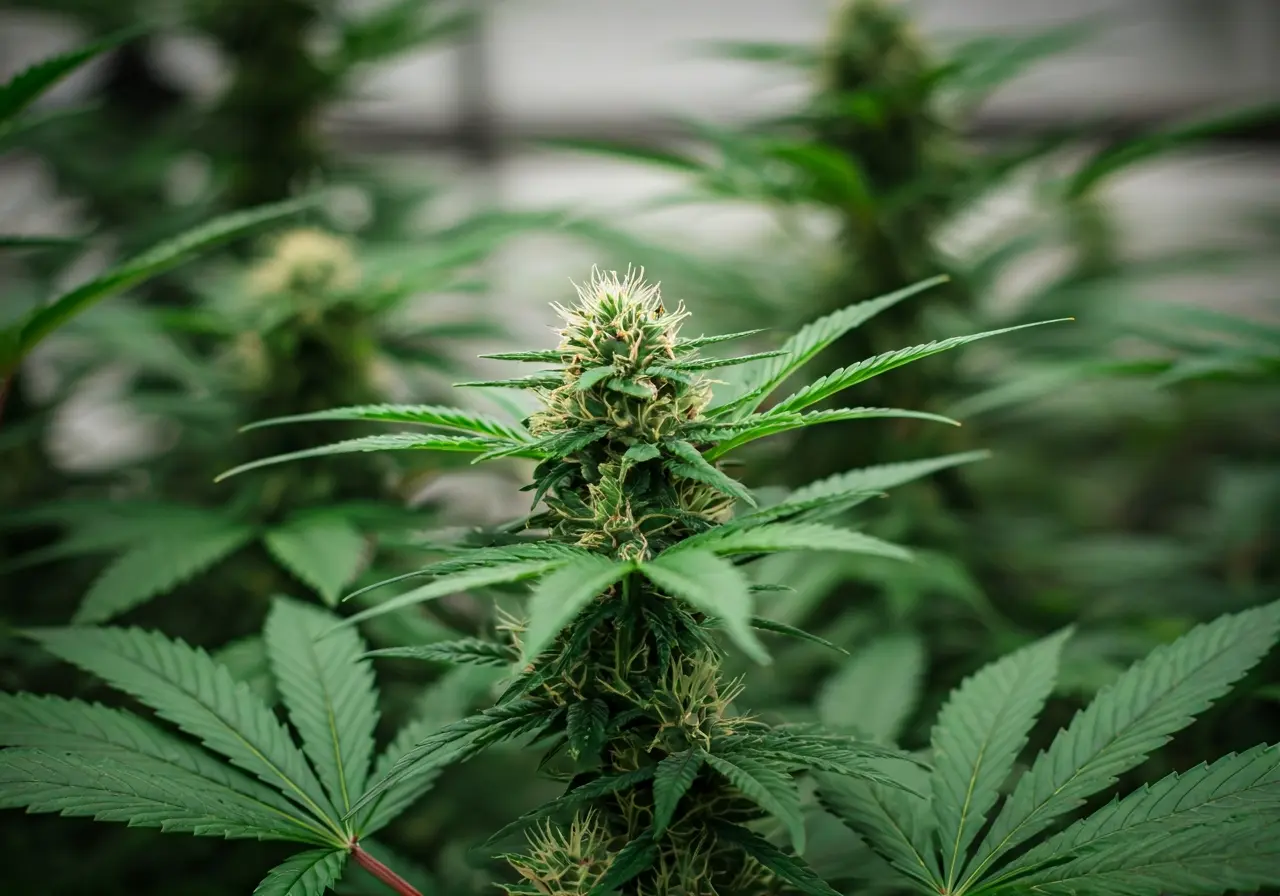
1. Leveraging LED Grow Lights
LED grow lights are energy-efficient and provide your cannabis plants with the right spectrum for optimal growth. Adjusting the light intensity and spectrum helps mimic natural sunlight conditions. Investing in quality LED lights not only saves energy but also ensures your plants receive full-spectrum light, crucial for photosynthesis and vegetative growth. Remember, setting up the lights at the right height and maintaining proper cycles is key to achieving great results.
2. Understanding Climate Control
Maintaining an ideal temperature and humidity level is crucial for cannabis growth. Investing in climate control systems ensures a stable environment that promotes healthy plant development. Using smart thermostats and hygrometers, beginners can easily track and adjust these variables. Consistent monitoring can help prevent stress on plants, keeping them within their perfect microclimate. With these systems, you can achieve the perfect balance, minimizing the risk of mold or heat stress.
In addition to basic controls, advanced growers often utilize remote climate systems that allow for adjustments from anywhere. This flexibility ensures uninterrupted supervision, crucial during unexpected weather changes or power outages. Investing in such technology protects your crop, ensuring quality and consistency.
3. Choosing the Right Soil or Hydroponics
Decide between soil or hydroponic systems based on your available space, time, and expertise. Each medium has its benefits but the key is to ensure your plants receive ample nutrients. Soil provides a natural habitat requiring less technology input, whereas hydroponics offers faster growth through nutrient-rich water flow. With hydroponic systems, nutrient delivery is highly controlled, meaning healthier and stronger yields with less maintenance.
4. Incorporating Automated Systems
Automation can simplify your cultivation process. From programmable lighting schedules to irrigation systems, using technology can save you time and optimize plant care. Automated systems reduce human error, ensuring plants receive consistent care daily. Irrigation timers prevent under or over-watering, allowing precise control over moisture levels, essential for lush growth. As your experience grows, start integrating AI-based platforms for even more accurate predictions and adjustments.
5. The Role of Air Circulation
Proper air circulation is vital for preventing mold and pests. Ensure your setup includes fans and vents to keep fresh air flowing throughout the grow space. Effective air circulation also strengthens plant stems by simulating natural wind resistance. Oscillating fans provide even air distribution, reducing hotspots and cold areas, while helping to maintain uniformity in plant growth. Regular checks on your ventilation equipment ensure long-term efficiency, keeping air quality optimal.
6. Using Data for Monitoring and Adjustments
Utilizing sensors and software to monitor plant conditions can help you make informed decisions. This data-driven approach enables you to tweak your setup for better yield results. By incorporating real-time data monitoring, beginners can visualize plant performance and address issues immediately. Many sensors also connect to mobile apps, providing insights into variables like pH, EC, and light exposure. Managing these metrics provides peace of mind and helps avoid costly mistakes.
7. Nutrient Management with Precision
Adopting precision nutrient management involves understanding your plants’ specific needs at different growth stages. Use technology to deliver the right nutrients at the right time. Automated nutrient dispensers calculate optimal feeding schedules, factoring in growth stages and forecasting deficiencies. By learning how to tailor feedings, growers maximize plant health and yield potential. Staying informed about the latest nutrient technology advancements will enhance your cultivation approach.
8. Maintaining Cleanliness
A clean environment is crucial in preventing disease and infestation. Ensure all tools and equipment are sanitized regularly, and take advantage of cleanliness technologies available. UV sterilizers and auto-sanitizing stations offer added layers of protection, critical for indoor grows where pathogens thrive. Establish a routine cleaning schedule to mitigate risks, and use sealed containers for tools and materials to prevent contamination. This foundational step is often overlooked but makes a significant difference in overall plant health and quality.