

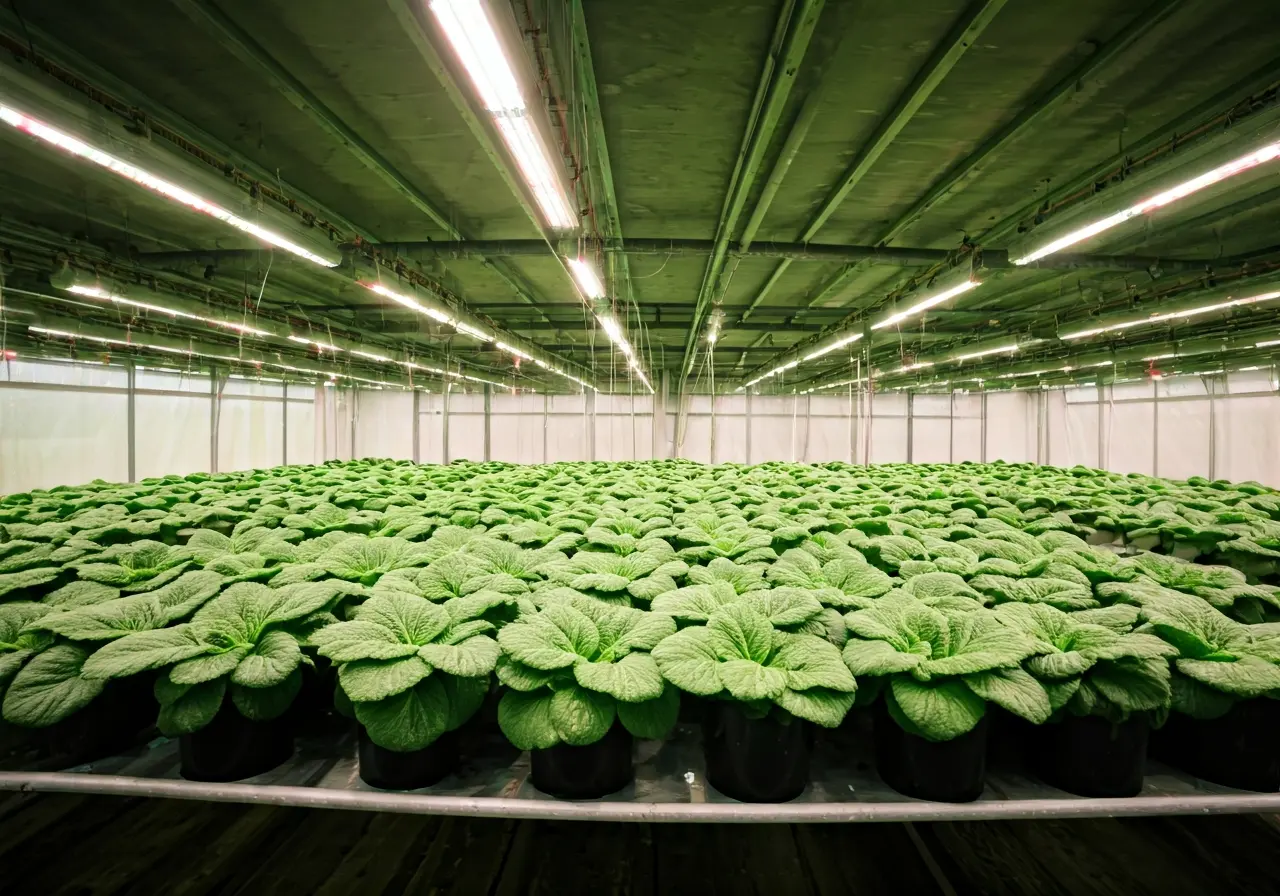
Indoor cultivation solutions are becoming increasingly popular as we look for sustainable ways to grow our food. But what exactly are these solutions, and how do they contribute to sustainability? In this FAQ blog, we’ll unravel the impact of indoor cultivation on our environment and its role in sustainable agriculture.
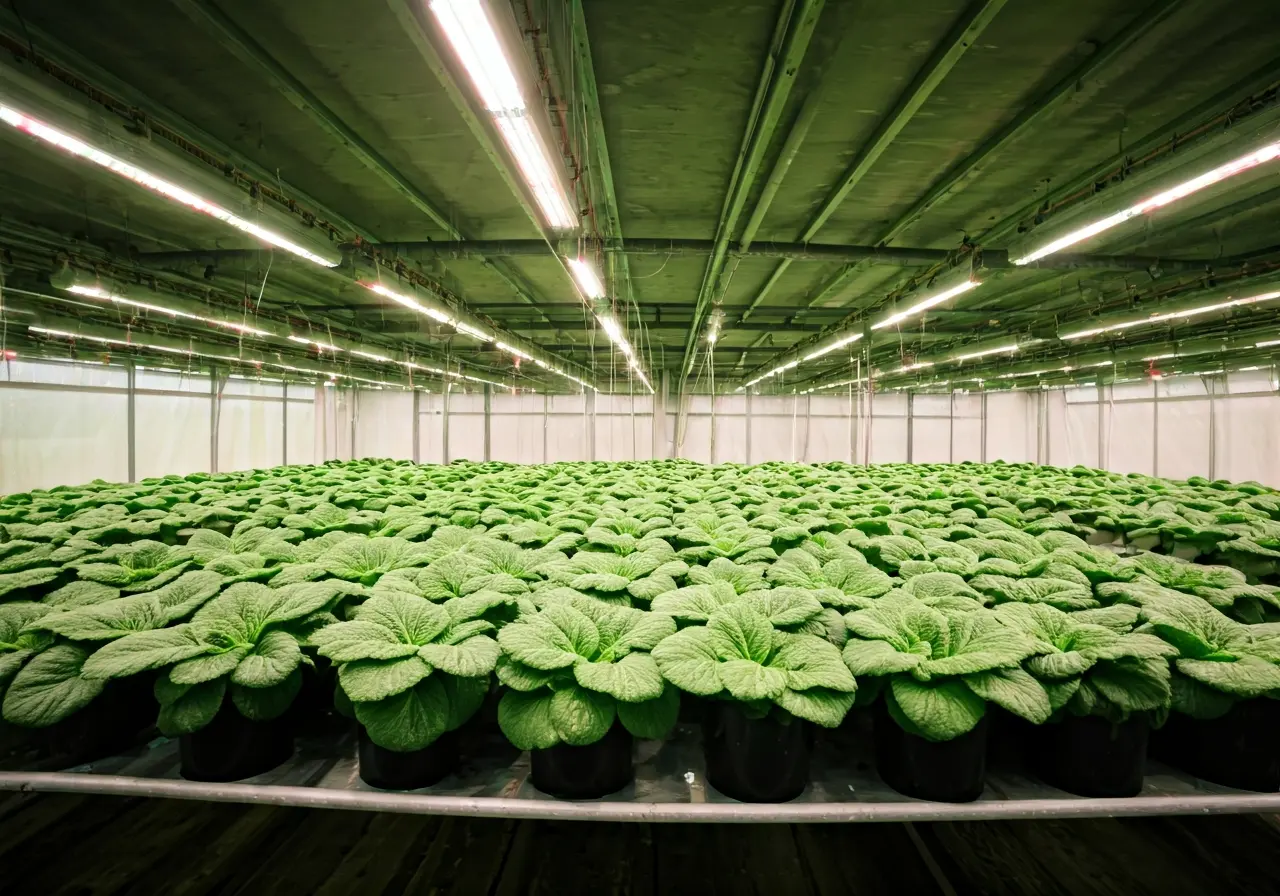
What Are Indoor Cultivation Solutions?
Indoor cultivation solutions refer to agricultural methods that involve growing plants within controlled environments. These methods include hydroponics, aquaponics, vertical farming, and controlled environment agriculture (CEA), enabling efficient and sustainable plant growth.
Each method of indoor cultivation offers unique advantages. For instance, hydroponics eliminates the need for soil and allows for precise control over nutrients provided to the plants, enhancing growth efficiency. Vertical farming, on the other hand, maximizes space by allowing multiple levels of crops, making it ideal for urban areas where land is scarce.
How Do They Reduce Resource Usage?
Indoor cultivation solutions optimize resource usage by using controlled lighting, reducing water consumption, and decreasing dependency on soil. Technologies like hydroponics and aquaponics often use up to 90% less water than traditional farming, making them highly resource-efficient.
Furthermore, these systems use specialized LED lighting, which not only reduces energy consumption but also mimics the natural sun spectrum to optimize plant growth. By utilizing advanced climate control systems, indoor cultivation achieves energy efficiency, significantly lowering the carbon footprint compared to traditional farming.
With the reduction in land usage, indoor cultivation minimizes habitat destruction and soil degradation often associated with conventional agriculture. This method supports the principles of environmental sustainability by conserving vital resources for future generations.
Can Indoor Cultivation Solutions Enhance Food Security?
Yes, by allowing crops to be grown year-round regardless of external weather conditions, indoor cultivation solutions ensure a consistent food supply. This stability helps in addressing food security concerns, especially in regions with harsh climates.
In regions prone to extreme weather events or those facing significant agricultural challenges, indoor cultivation serves as an insurance policy against crop failures. By maintaining optimal growing conditions, these systems safeguard against disruptions in food supply, supporting food security goals internationally.
What Are the Environmental Benefits?
Indoor cultivation reduces the need for pesticides and fertilizers, leading to fewer pollutants being released into the environment. Additionally, it minimizes land use, which helps preserve natural ecosystems and biodiversity.
By drastically cutting down on pesticide use, indoor cultivation significantly diminishes the risk of water and soil contamination. This practice paves the way for sustainable agriculture, forming part of a broader move towards environmentally-friendly farming methods.
How Does Technology Play a Role?
Technology is at the heart of indoor cultivation solutions, with innovations in artificial lighting, climate control, and nutrient management. These technologies improve growth efficiency, enhance yields, and further support sustainable practices.
The application of smart technology allows precise monitoring and adjusting of growing conditions, ensuring plants receive optimal care. Automation in indoor farming can significantly lower labor costs and boost productivity, positioning it as a viable solution for both small-scale and commercial agricultural operations.
Embracing a Sustainable Future with Indoor Cultivation Solutions
Indoor cultivation solutions hold incredible potential for advancing sustainability in agriculture. By reducing resource usage, promoting year-round growing, and minimizing environmental impact, these systems are paving the way for a more sustainable future. Embracing technology and innovation in agriculture can lead to a greener, more efficient, and food-secure world.