

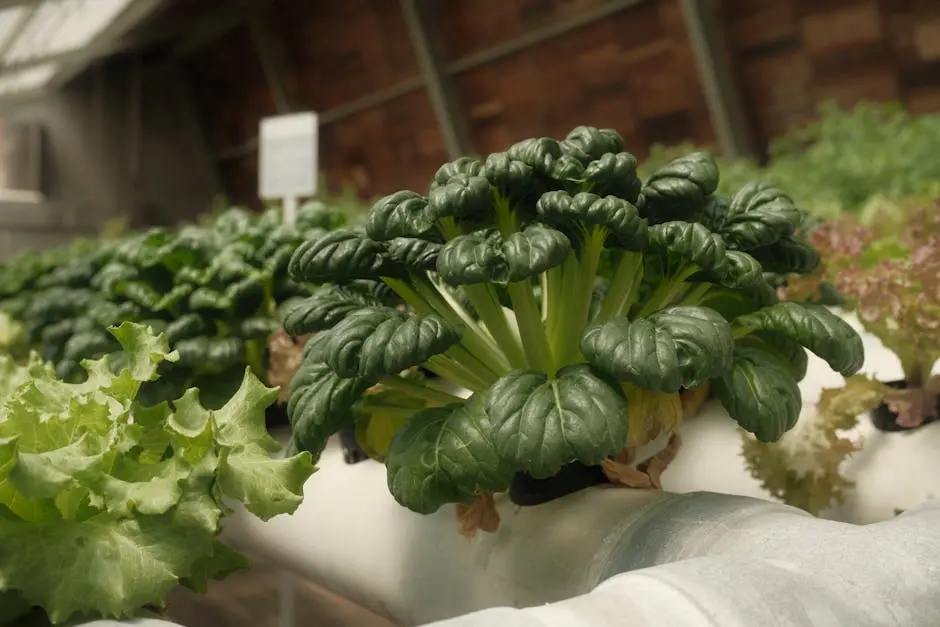
Designing a grow facility isn’t just about aesthetics—it’s a strategic process that can significantly impact the yield and quality of your harvest. In this blog, we’ll explore how thoughtful design can enhance productivity, reduce costs, and improve the overall success of your cultivation efforts.
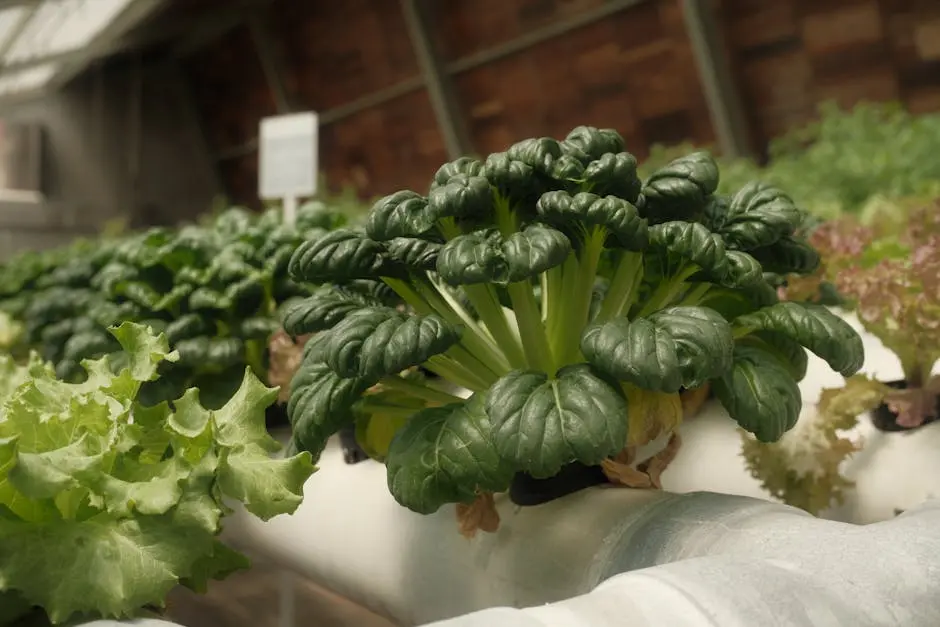
Understanding the Importance of Space Optimization
The layout of your grow facility plays a crucial role in maximizing your harvest. By efficiently utilizing available space, you can increase plant density without compromising on their health. We’ll discuss key strategies for effective space utilization, including vertical farming and benching systems.
Vertical farming is steadily gaining popularity due to its ability to grow more plants in less space. By using multiple layers of cultivation, vertical setups capitalize on unused overhead space, effectively doubling or tripling the amount of crops grown within the same footprint. This method not only maximizes the square footage but also ensures that each plant receives ample light, air, and nutrients. When planning your grow facility, thoughtful integration of vertical farming techniques can lead to impressive increases in yield.
Benching systems offer another versatile approach to space management in grow facilities. By employing movable benches, you can increase your square footage efficiency and ease of working with plants, enhancing the ease of staff movements and optimizations in workflow. These systems are especially ideal for larger-scale operations looking to maintain flexibility in their layout. With the right benching setup, your facility can adapt to the changing needs of your crops, offering scalability and improved access for maintenance and harvesting.
The Role of Environmental Control Systems
Environmental factors like temperature, humidity, and light are fundamental to plant growth. Implementing advanced control systems helps maintain optimal conditions, ensuring that your plants thrive. In this section, we’ll delve into the technology and design considerations necessary for effective environmental management.
Achieving the perfect balance of temperature and humidity is crucial for the health of your plants. Utilizing smart thermostats and dehumidification systems allows for precise control over these environmental factors, minimizing the risk of mold and pests. Smart LED lighting systems can simulate the sunlight spectrum, supporting plant photosynthesis even indoors. These technological advancements not only provide crucial support for plant growth but also reduce energy consumption by delivering light more efficiently.
Incorporating CO2 injection systems is another effective strategy within environmental control. Enhanced CO2 levels can increase photosynthesis, resulting in faster growth and higher yields. Sensors and automation in the grow facility allow for the precise delivery of CO2 at optimal times, which can be critical to achieving peak yield and performance.
Leveraging Technology for Enhanced Growth
Incorporating technology in your grow facility design can lead to more efficient operations and better harvests. From automated irrigation systems to smart sensors, we’ll explore how technology can be leveraged to monitor and improve growth conditions continuously.
Automated irrigation systems reduce labor costs and improve water use efficiency. These systems can be programmed to deliver the precise amount of water required at specific times, reducing runoff and ensuring consistent plant hydration. Moreover, by integrating soil moisture sensors, automated systems can adjust watering schedules based on real-time moisture levels, making sure neither water nor nutrients go to waste.
Smart sensors are indispensable in modern grow facilities. By continuously monitoring environmental conditions, they provide vital data that can be used to adjust inputs and maximize plant health. This real-time data analytics enables quick adjustments that can prevent potential issues such as nutrient deficiencies or temperature imbalances before they affect plant growth. Investing in this technology not only enhances productivity but also provides insights that are crucial for long-term operational success.
Designing for Sustainability and Cost Efficiency
Sustainability is a critical element of modern grow facility design. By prioritizing energy efficiency and sustainable practices, you not only reduce your environmental impact but also lower operational costs. This section will cover sustainable design strategies and their benefits for both the environment and your bottom line.
Integrating renewable energy sources, such as solar panels, can significantly reduce your grow operation’s reliance on conventional power sources. The use of solar energy can help offset electricity costs, making the operation more sustainable and cost-effective in the long run. Additionally, using energy-efficient equipment, such as LED lights, plays a substantial role in reducing overall power consumption. These changes may require an upfront investment, but the long-term savings and environmental benefits make them worthwhile considerations for any grow facility.
Water conservation can be tackled through the design of closed-loop hydroponic systems. These systems recirculate water through the plant system and minimize water wastage, ensuring maximum nutrient uptake by plants. Not only do such systems improve efficiency, but they also contribute to the sustainability of the grow operation. Design methodologies that incorporate water collection from condensation and utilizing this resource can further decrease the reliance on external water sources.
Harvesting Success with Thoughtful Design
Incorporating strategic design elements into your grow facility can make a substantial difference in maximizing your harvest. By focusing on aspects like optimizing space, environmental management, and technology integration, you create a thriving environment that supports plant health and productivity. Embracing these practices not only boosts your yield but also positions your grow operation for long-term success. Explore our offerings by visiting Cultivation Warehouse.